

Holy Saturday of 2026 will be remembered in Marchena as one of the finest in many years. With a splendid day, clear skies, and temperatures reaching 27°C (80.6ºF), the stars aligned to make this day an unforgettable one.
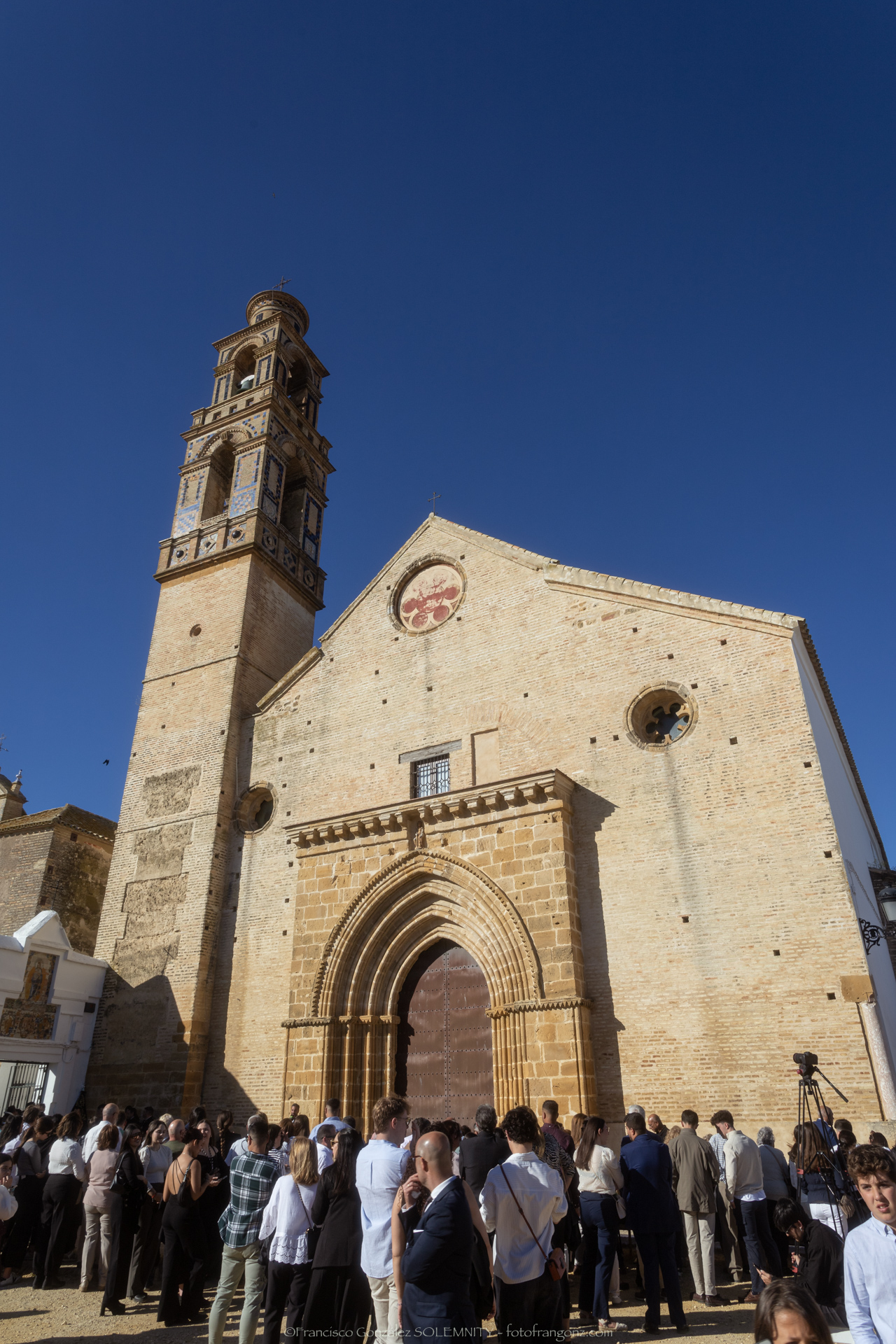
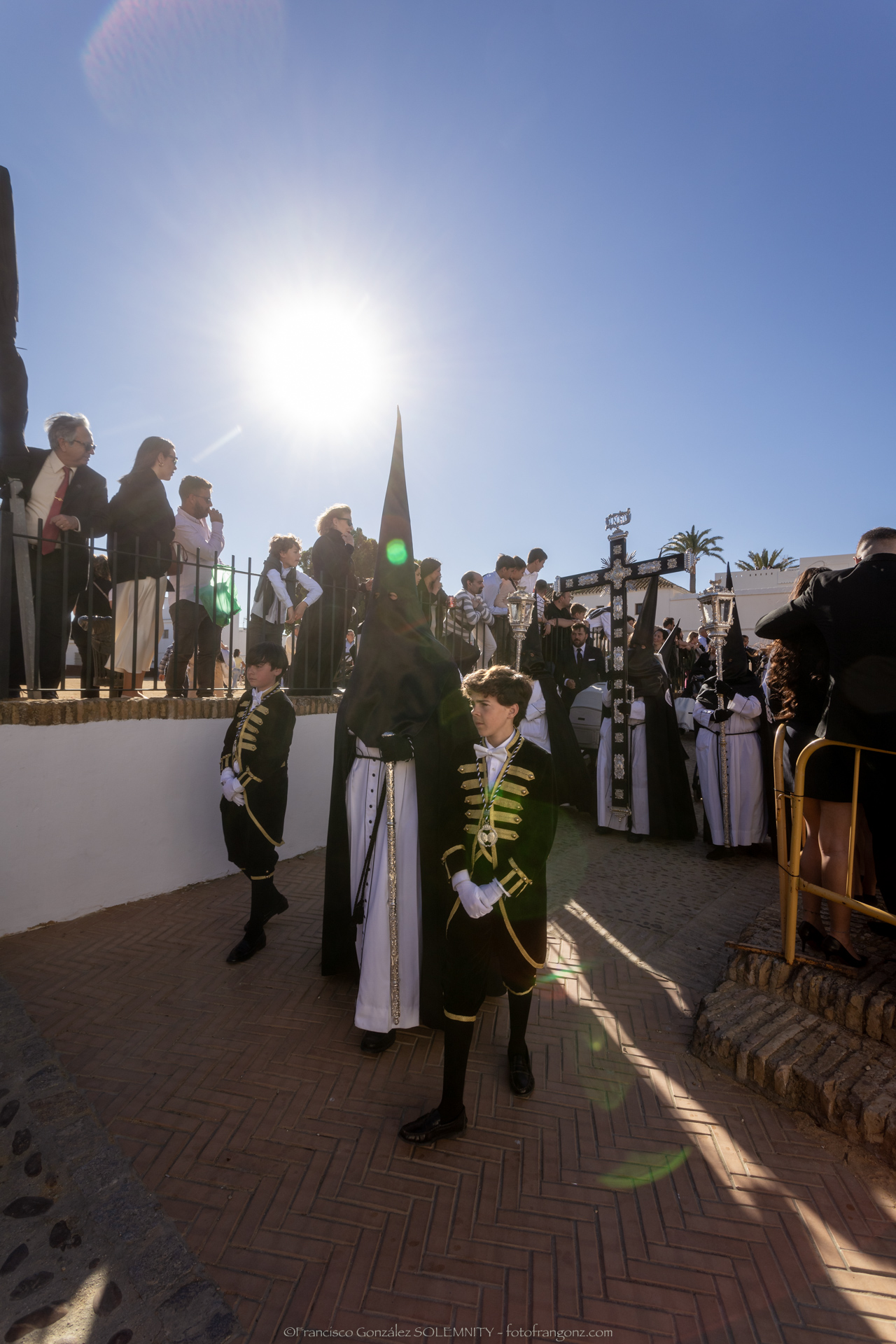
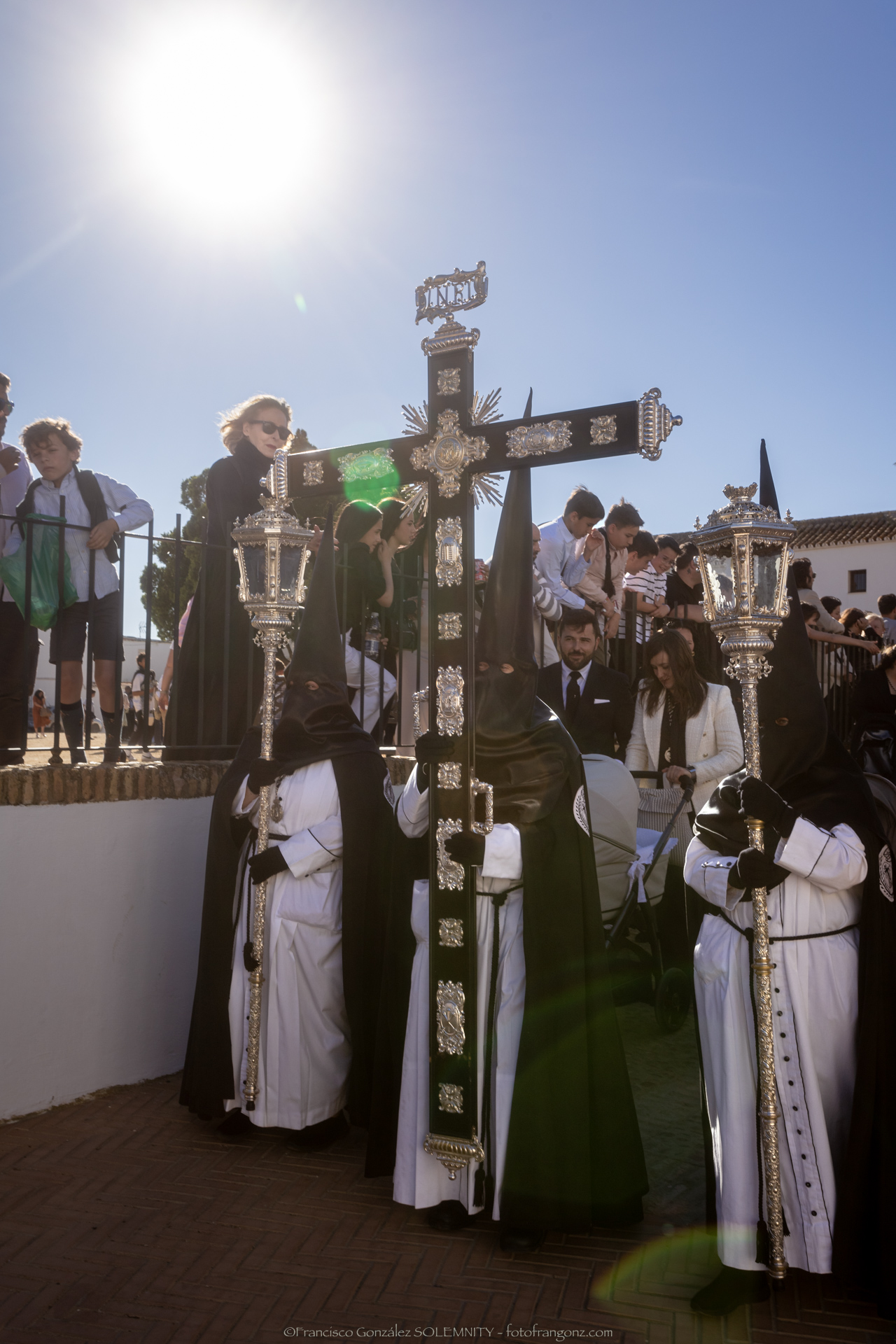
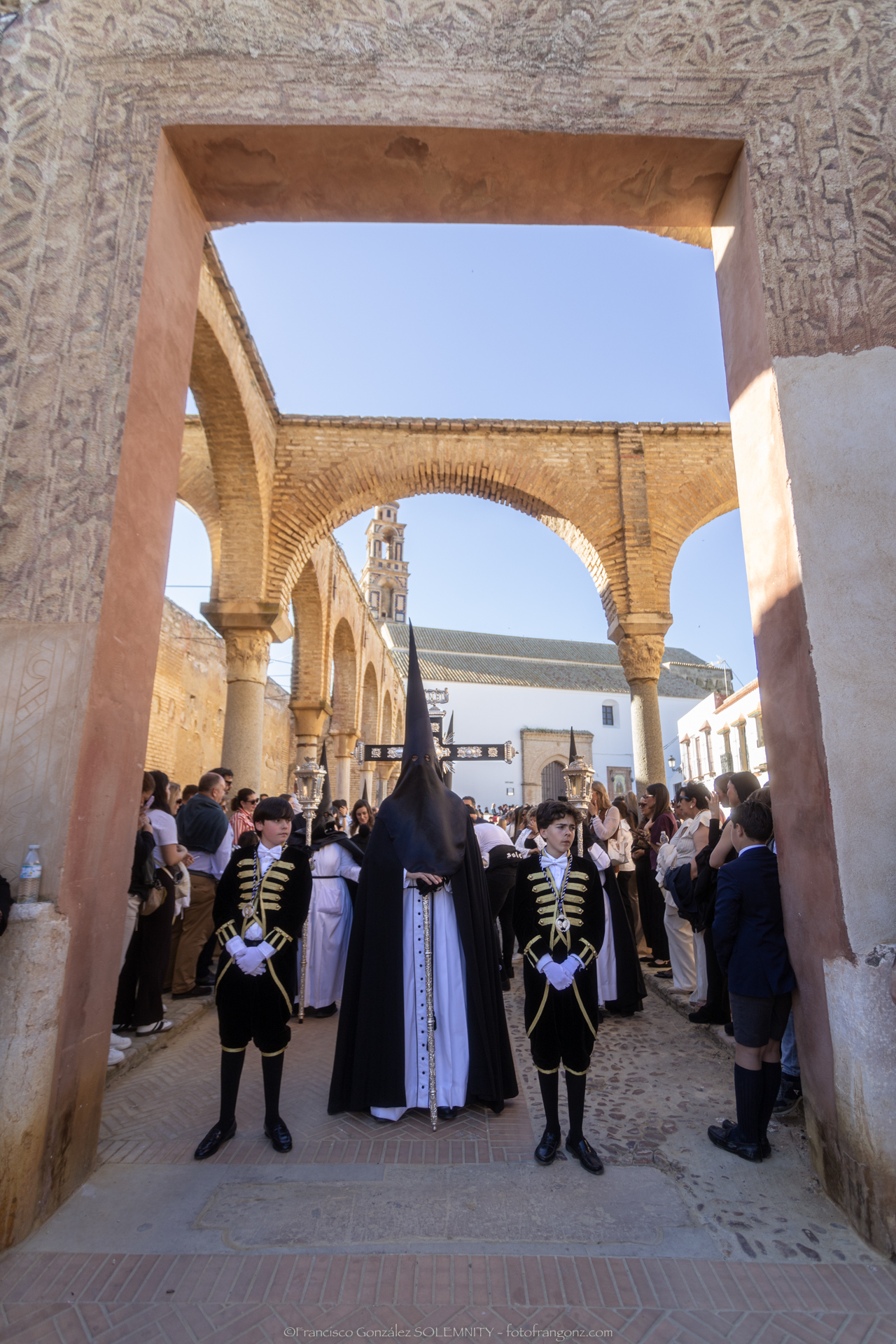
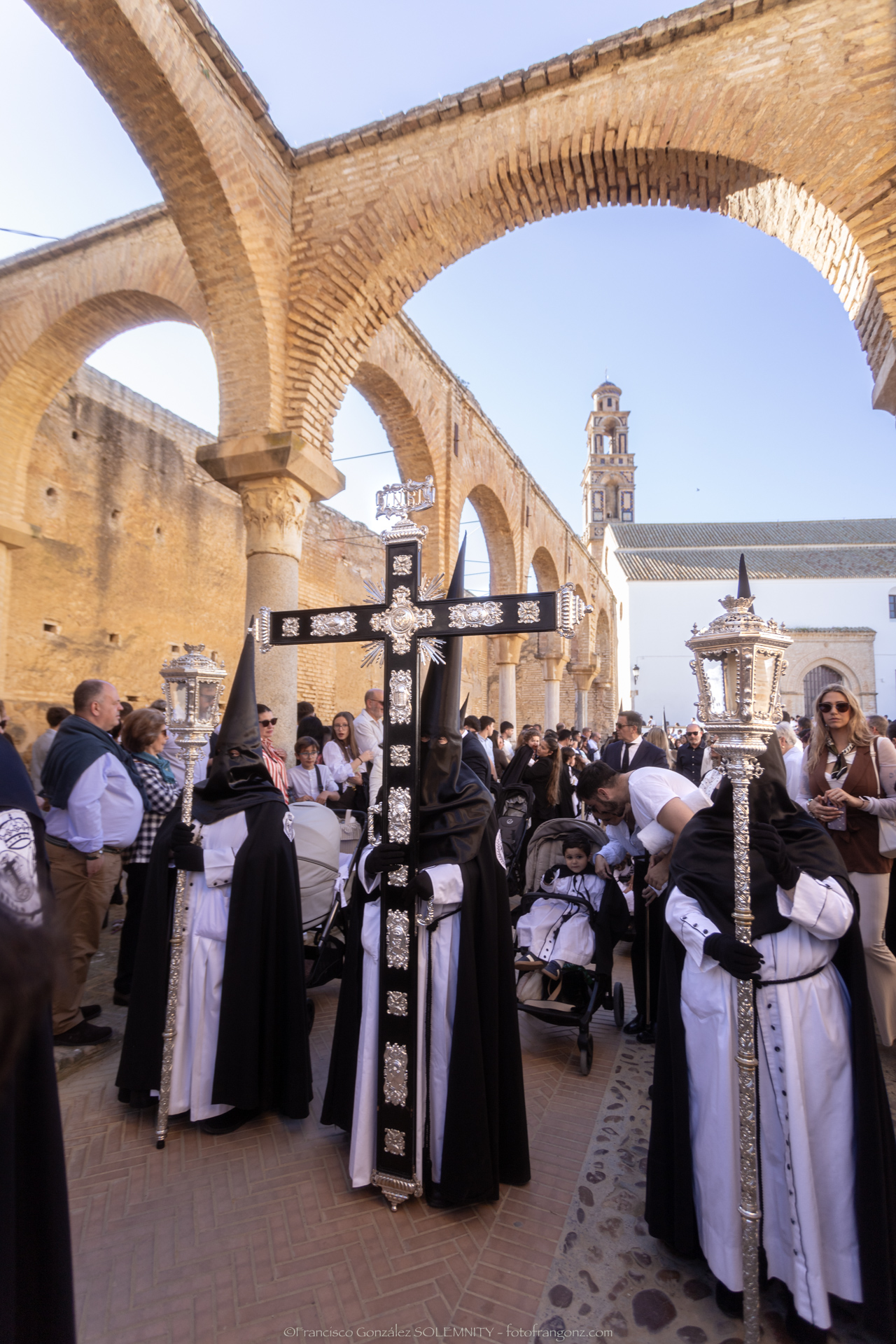
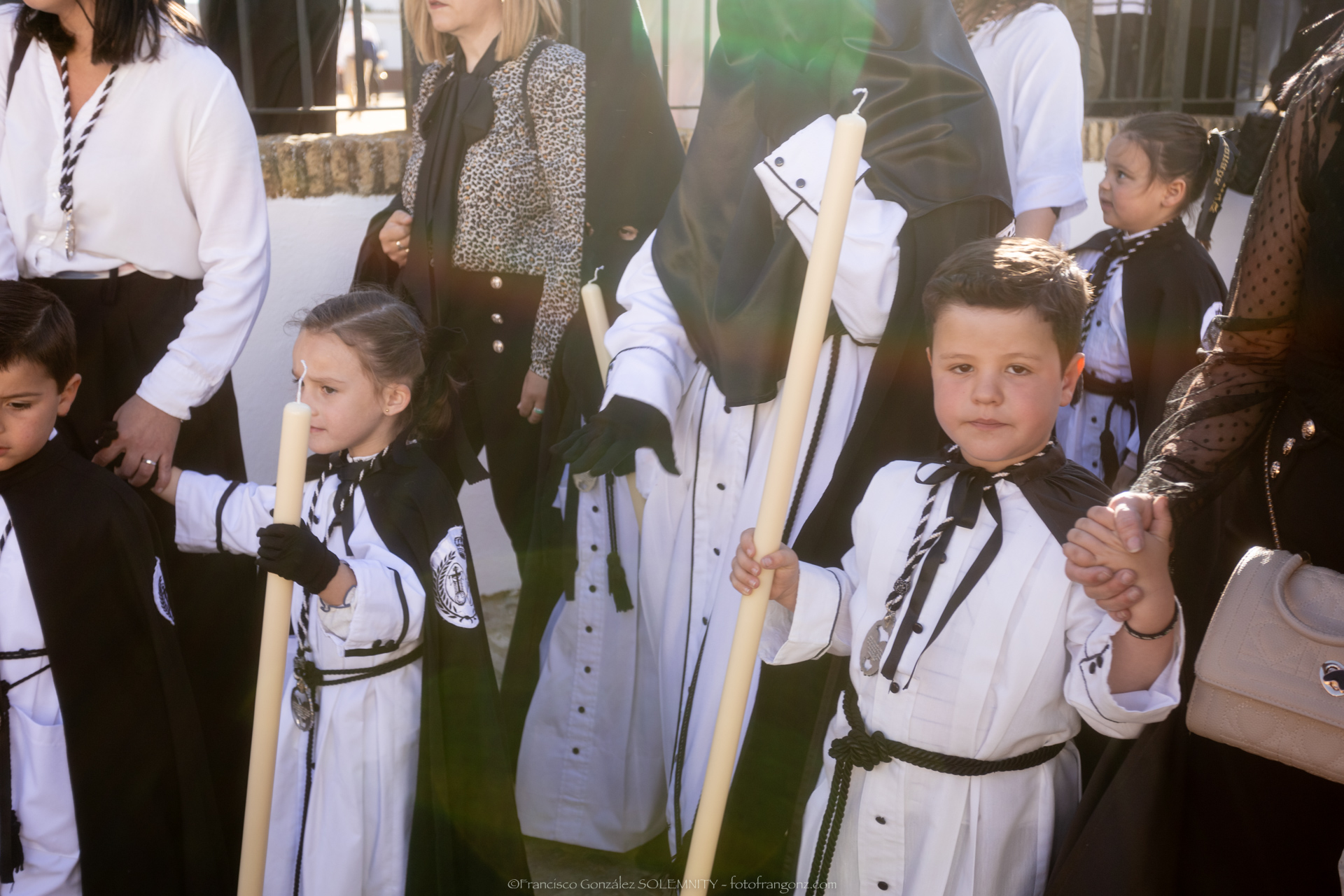
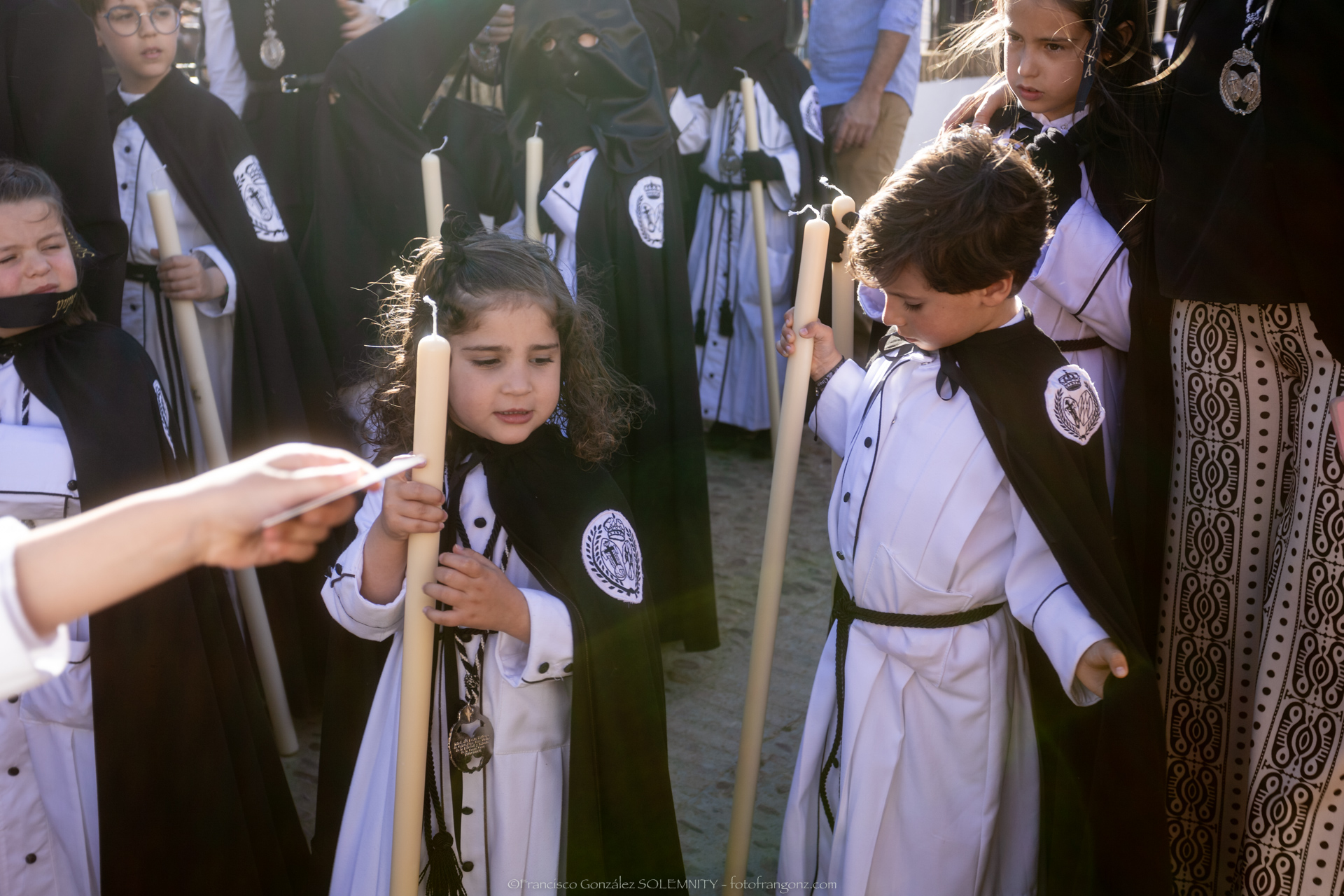
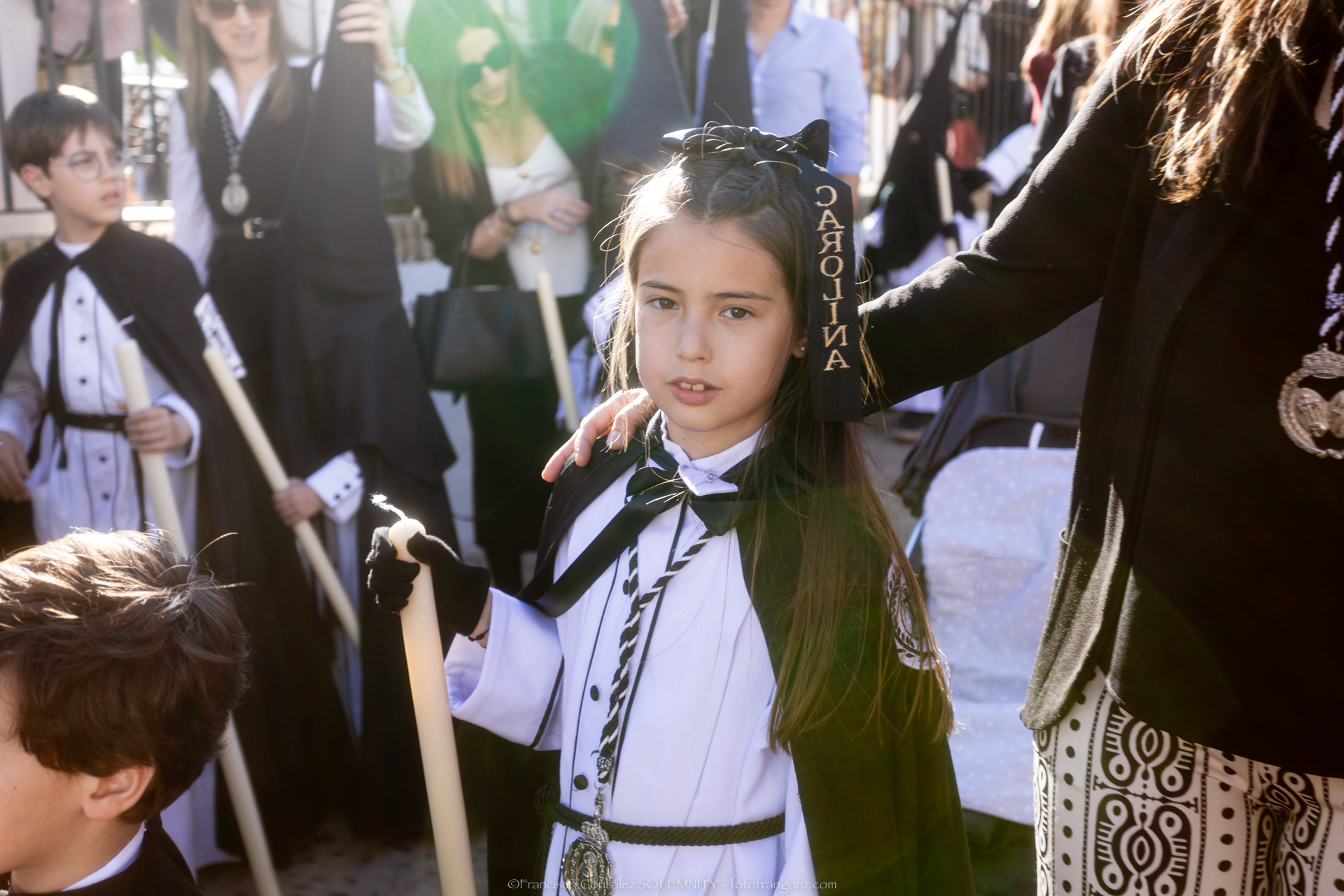
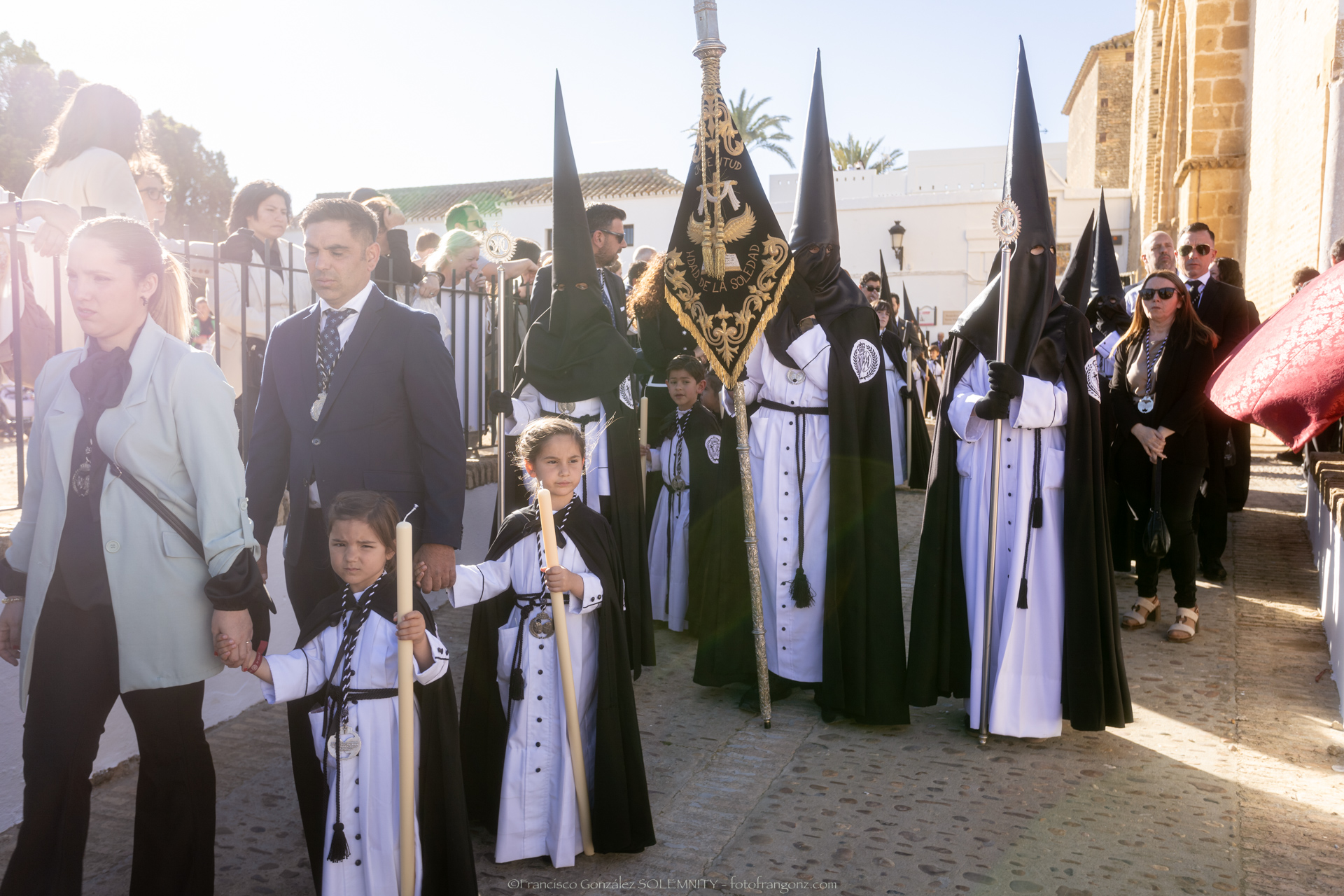
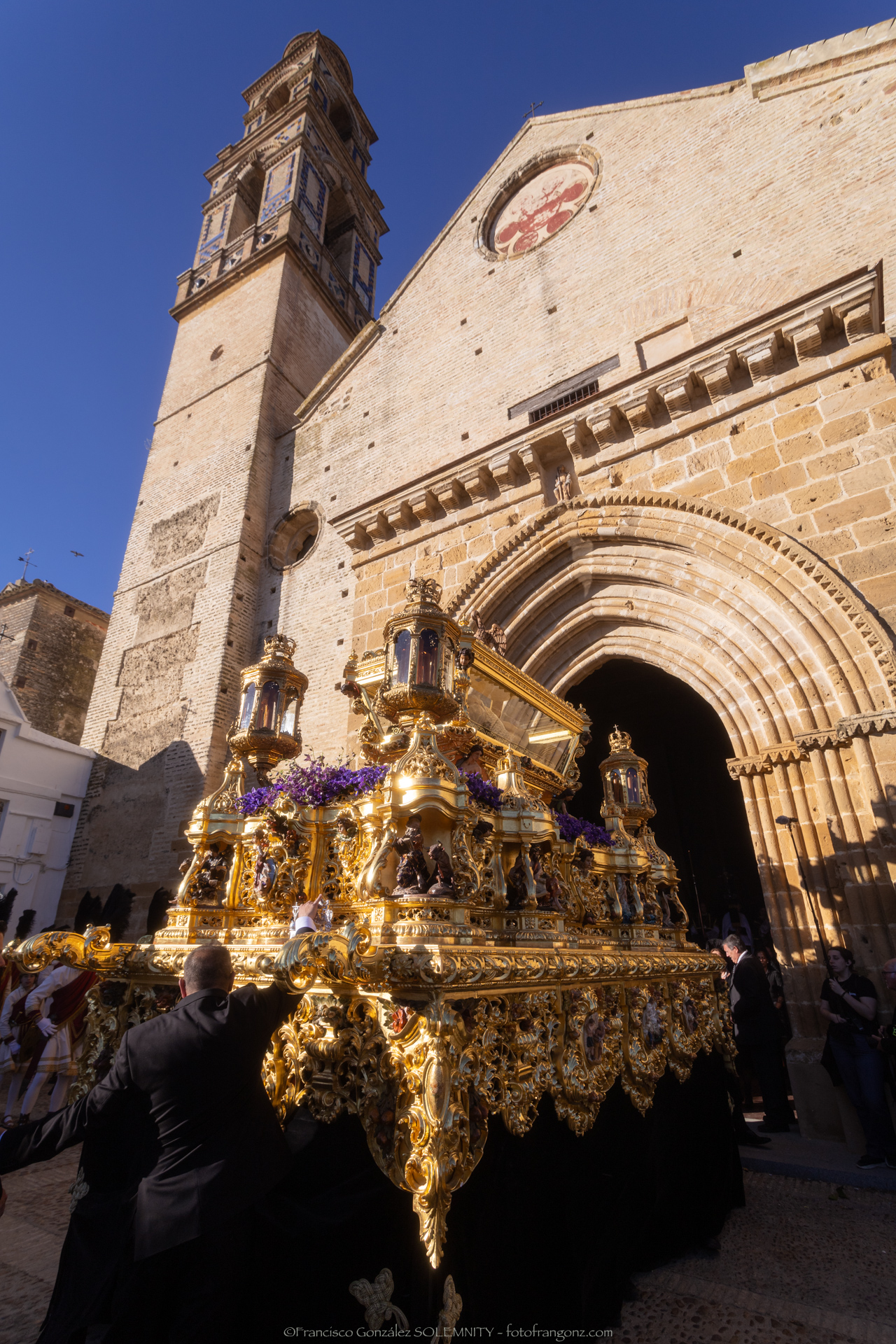
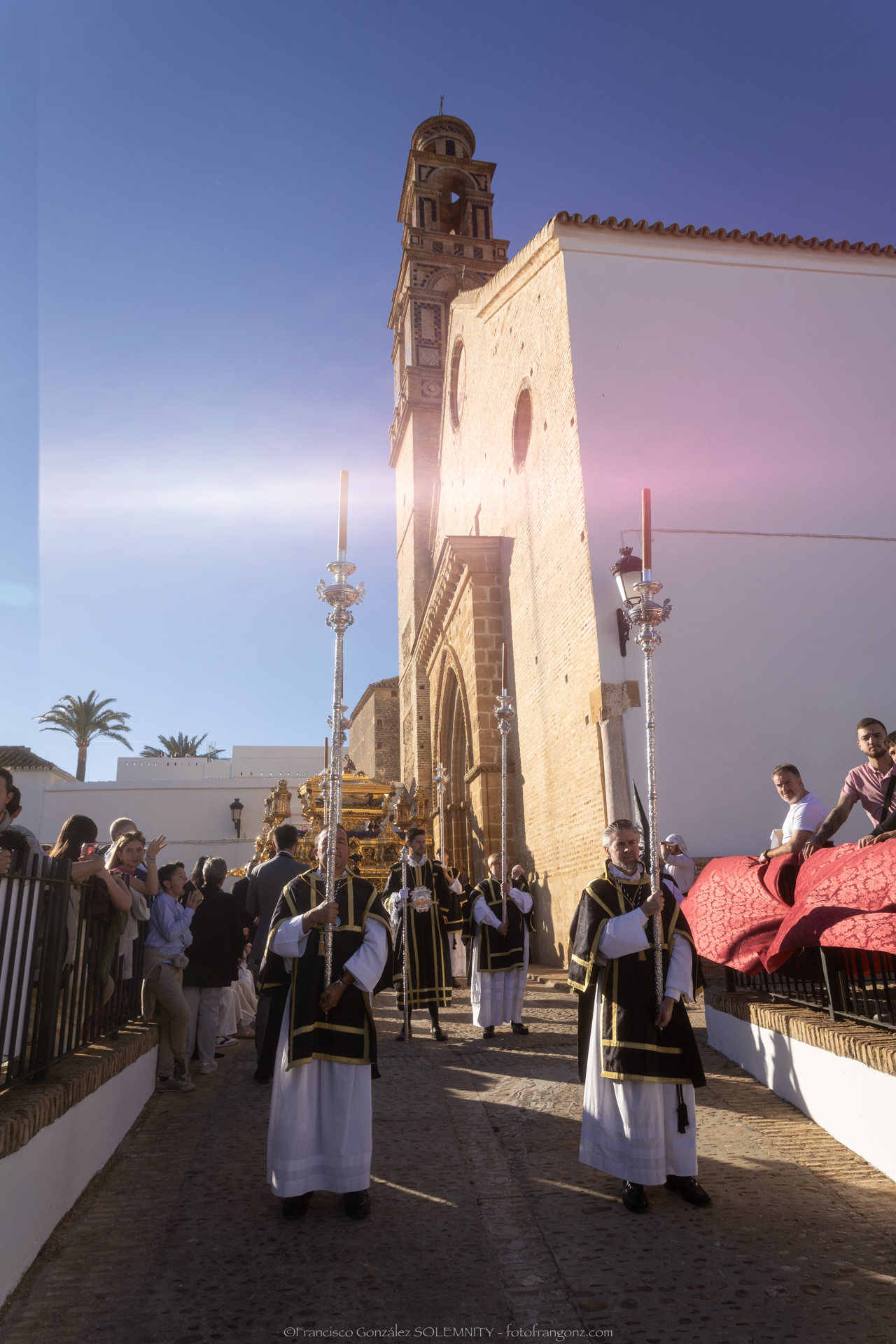
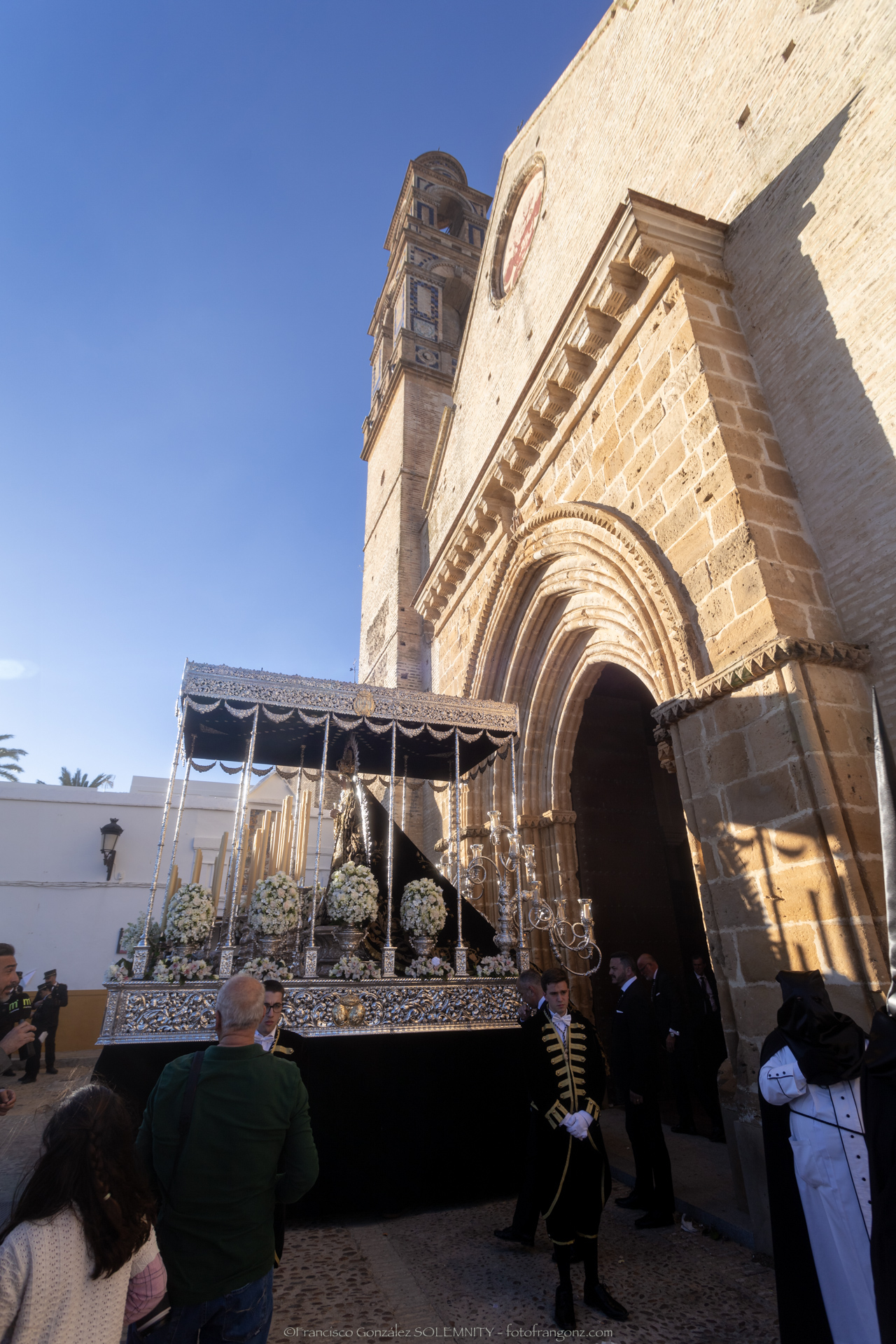
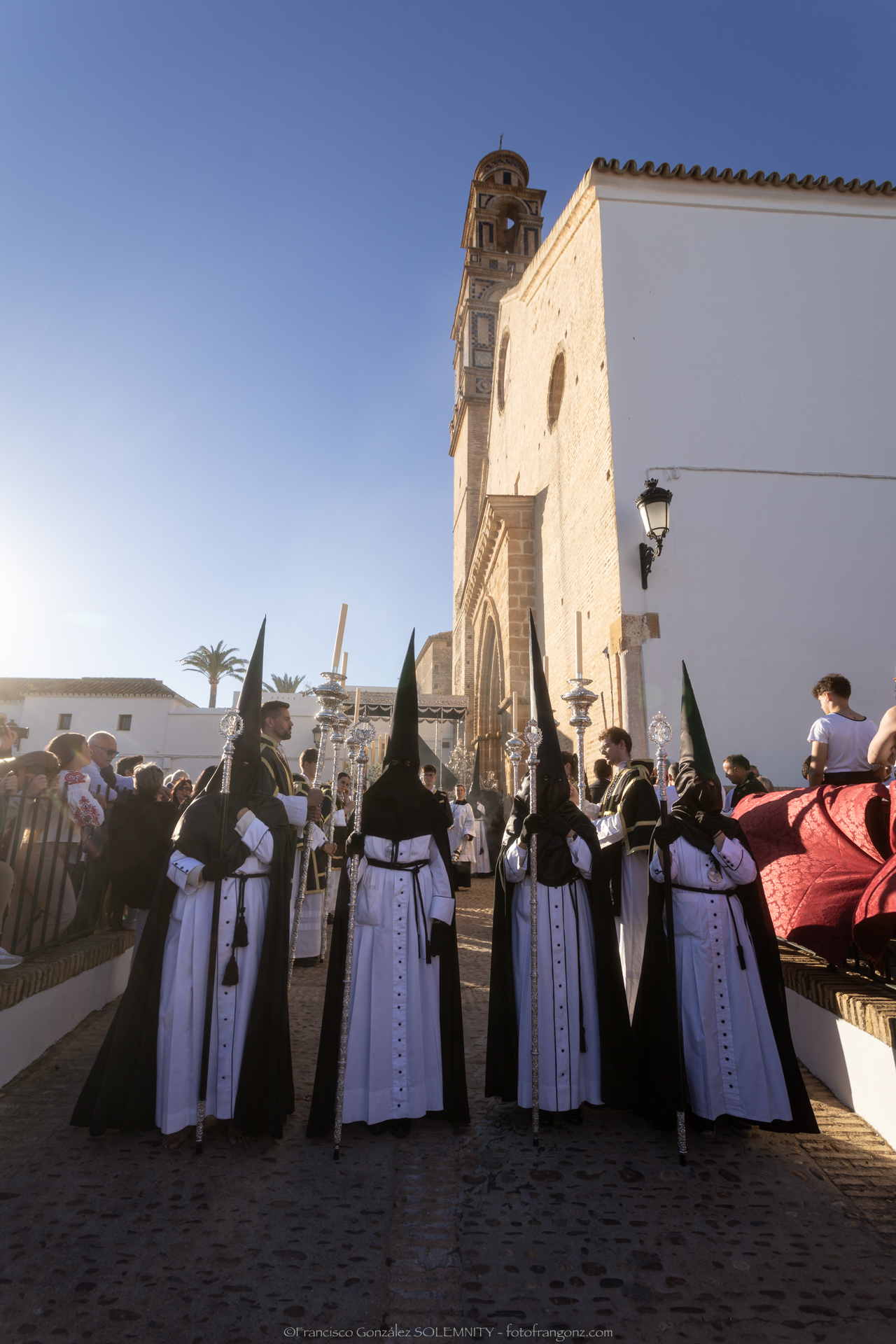
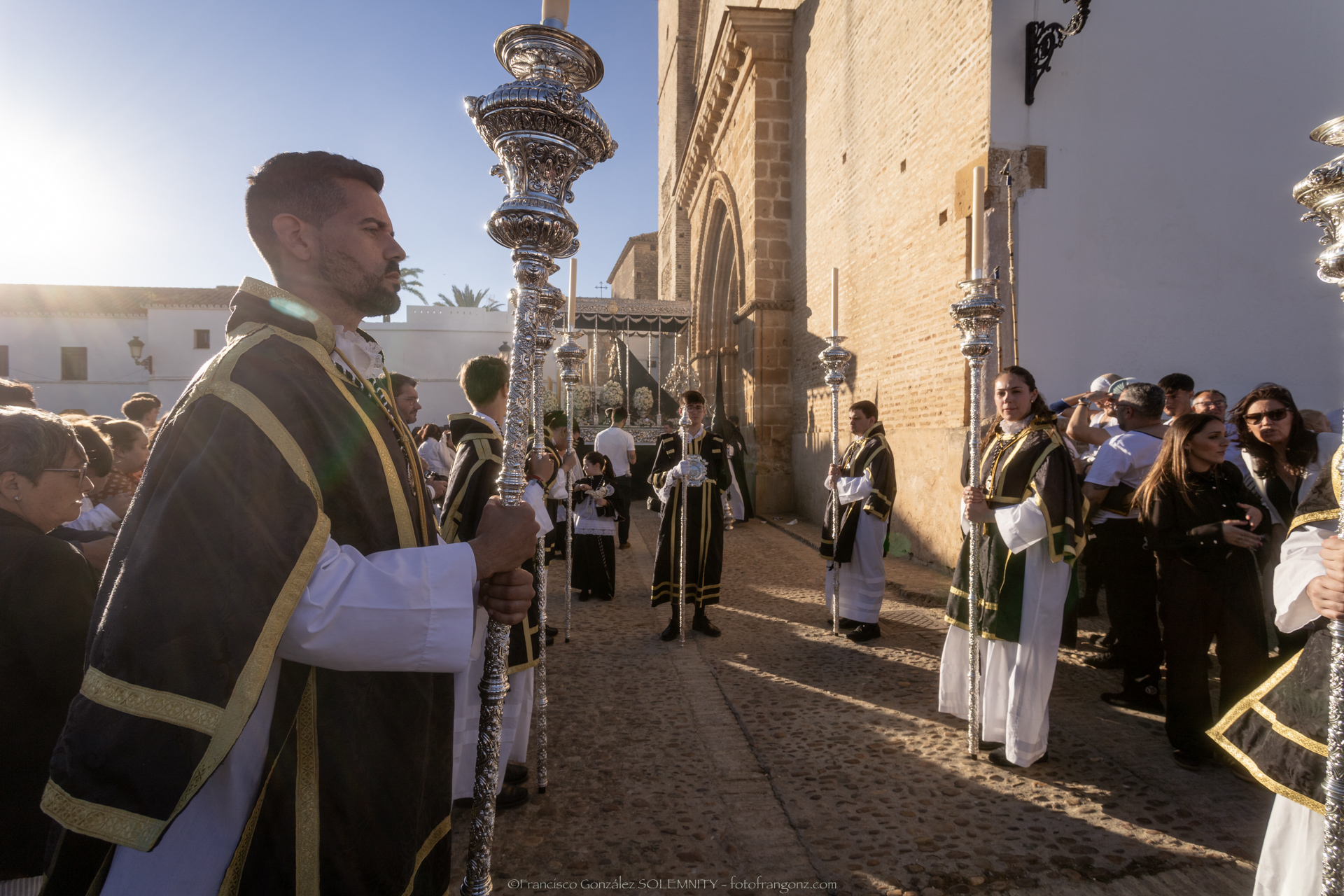
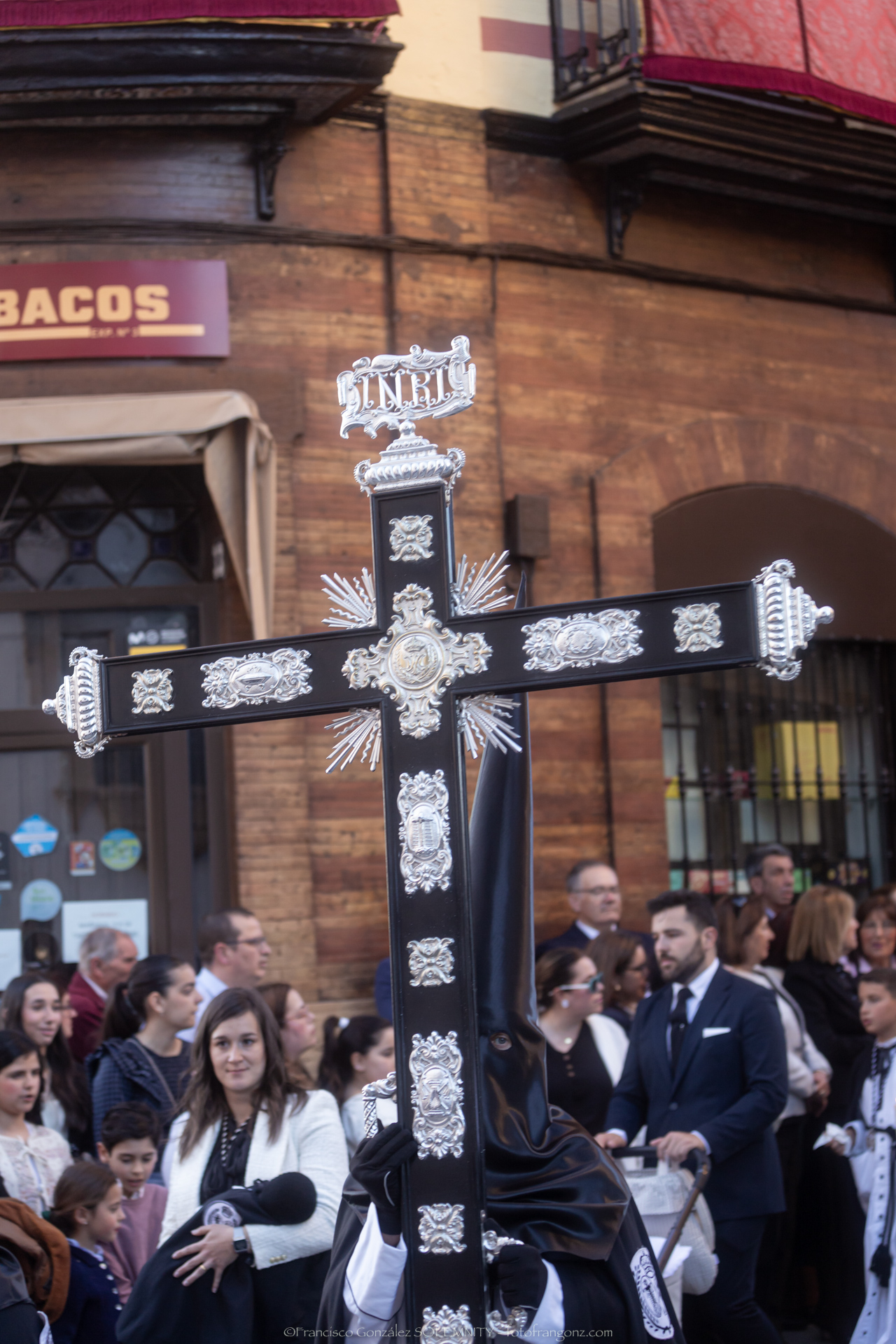
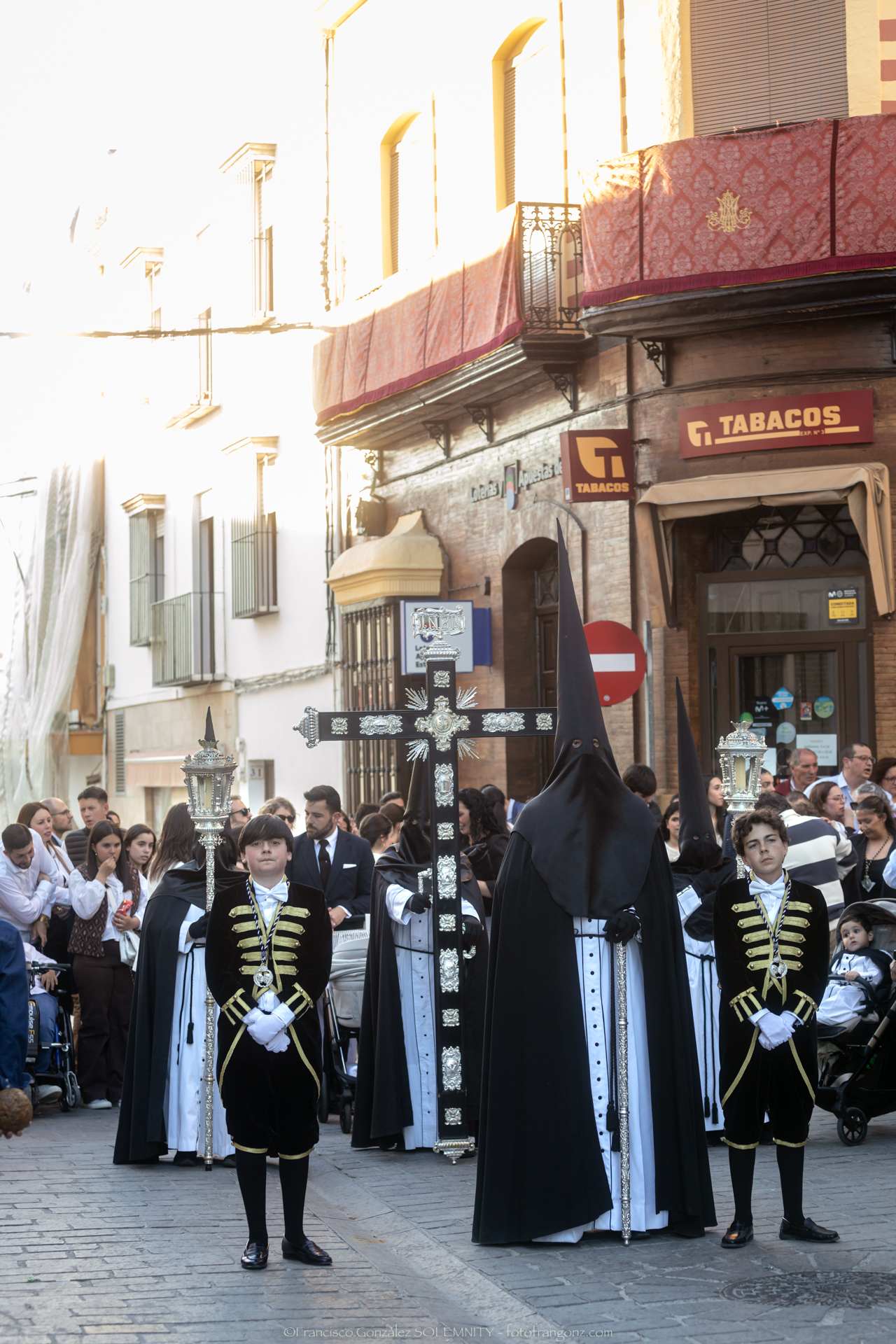
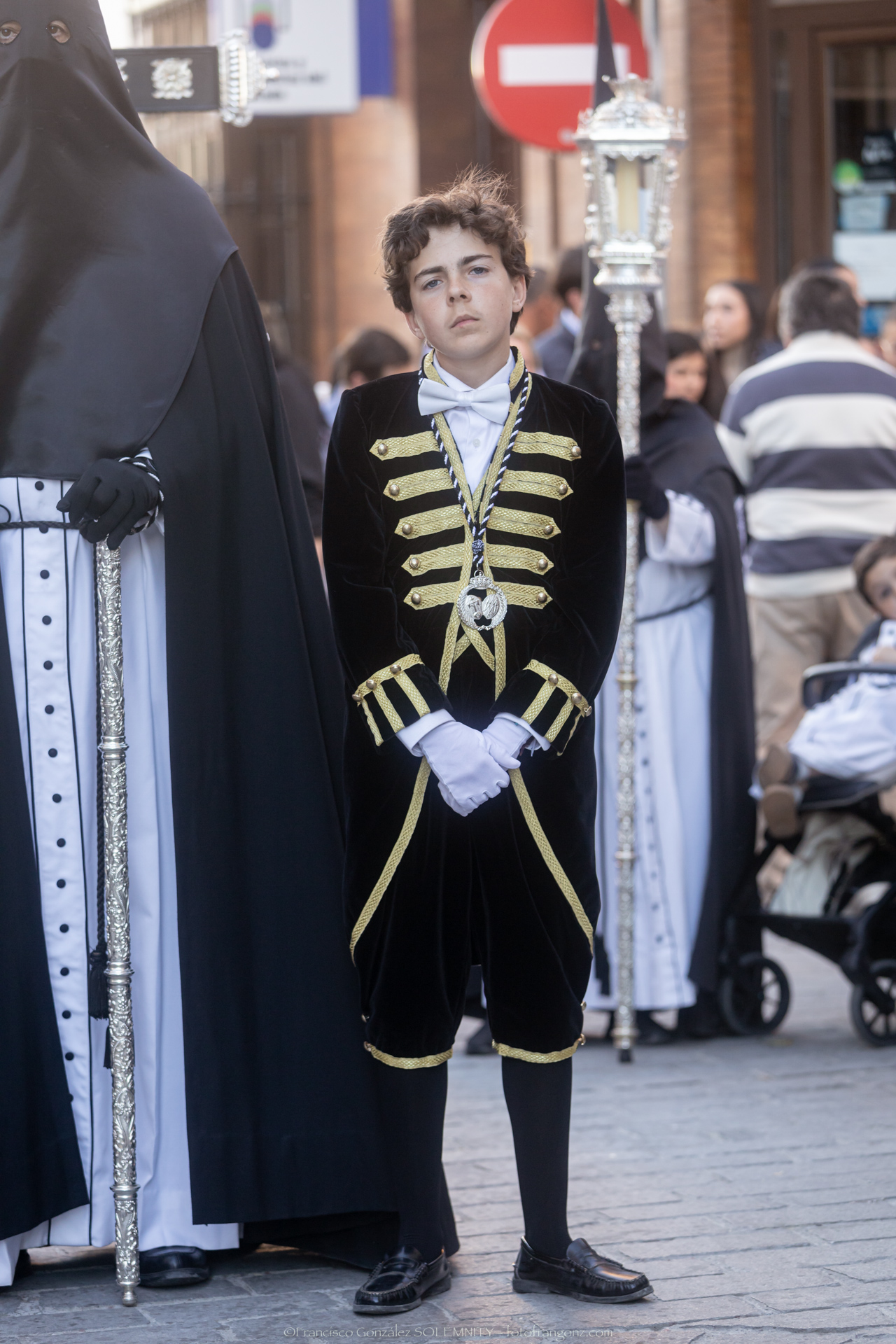
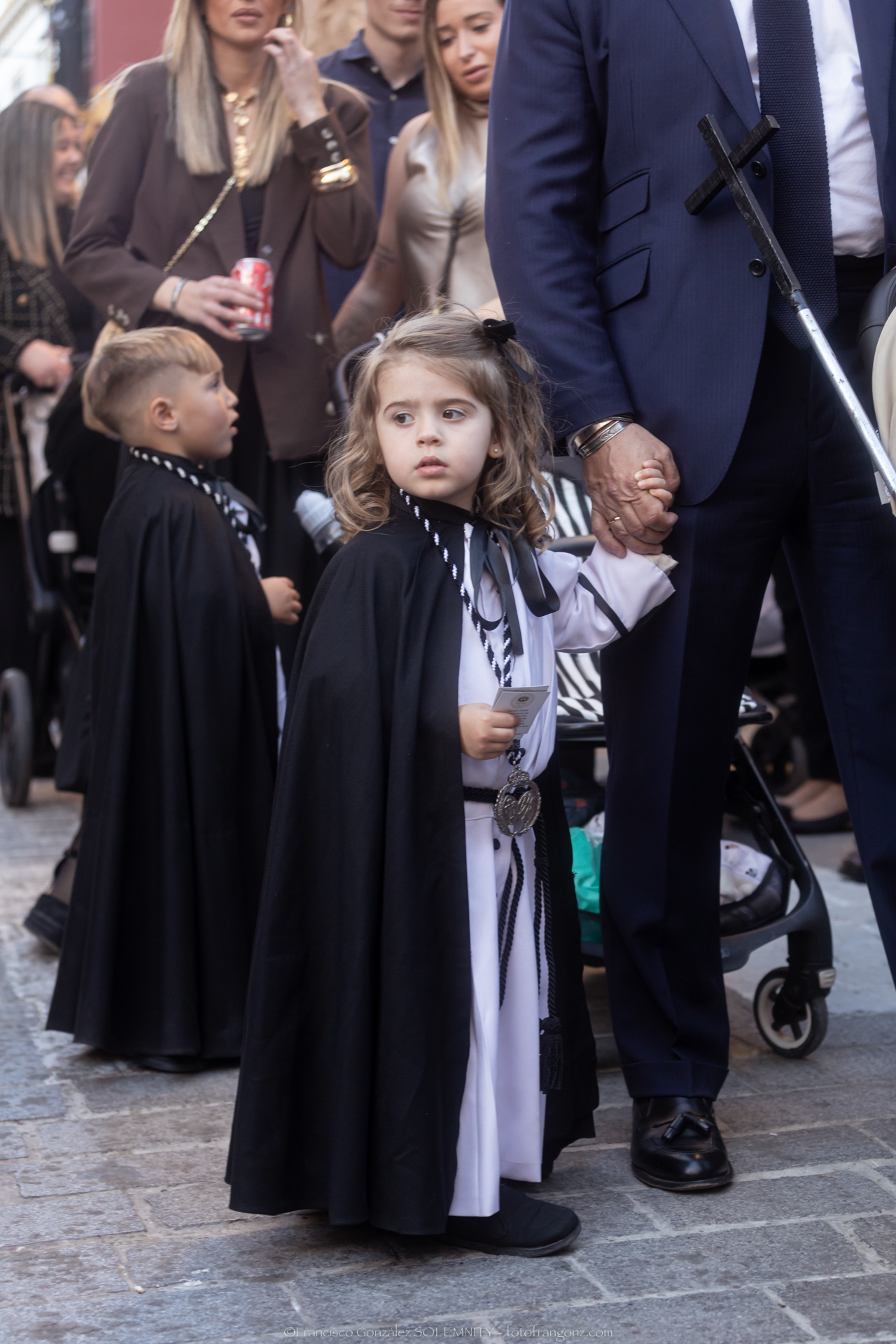
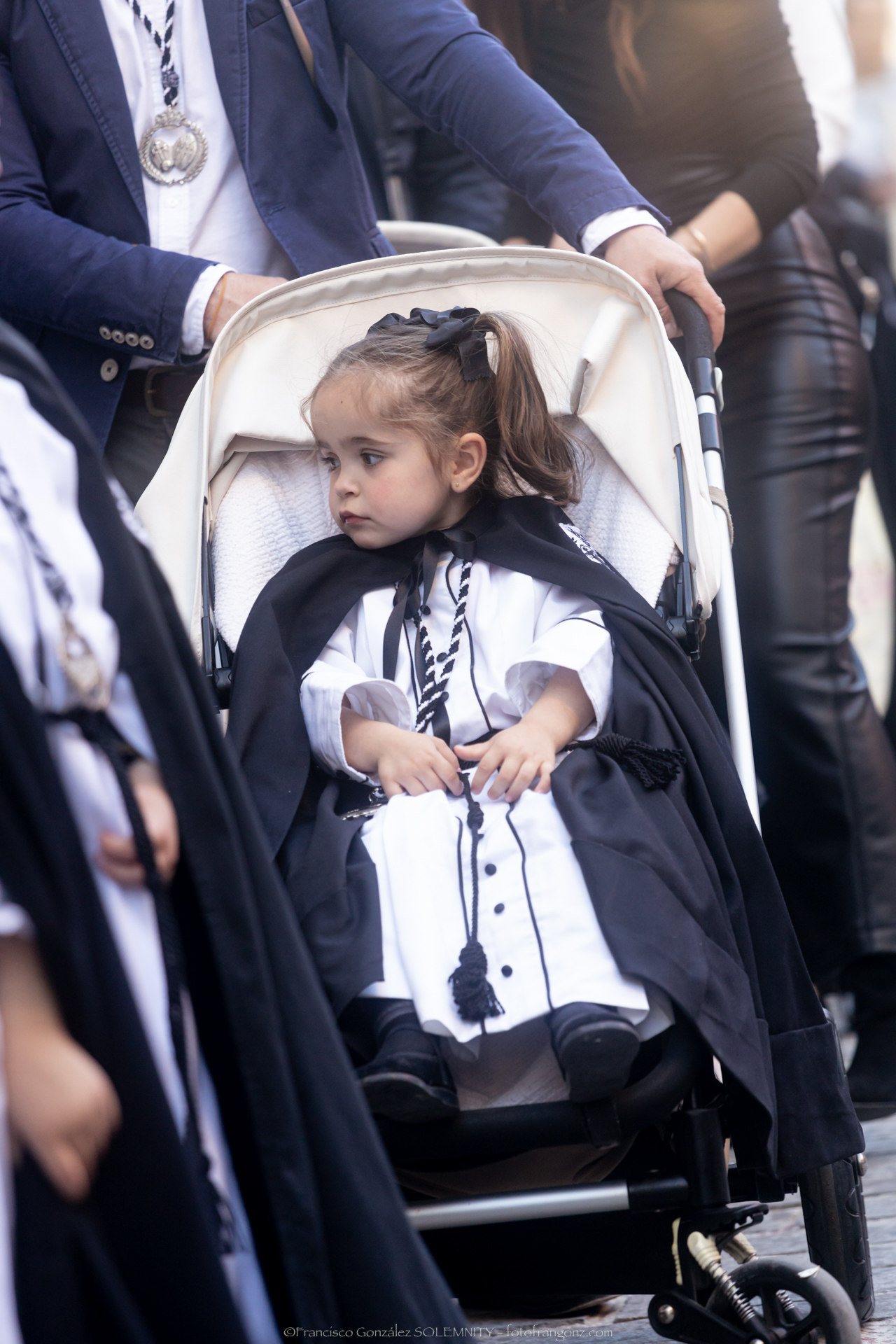
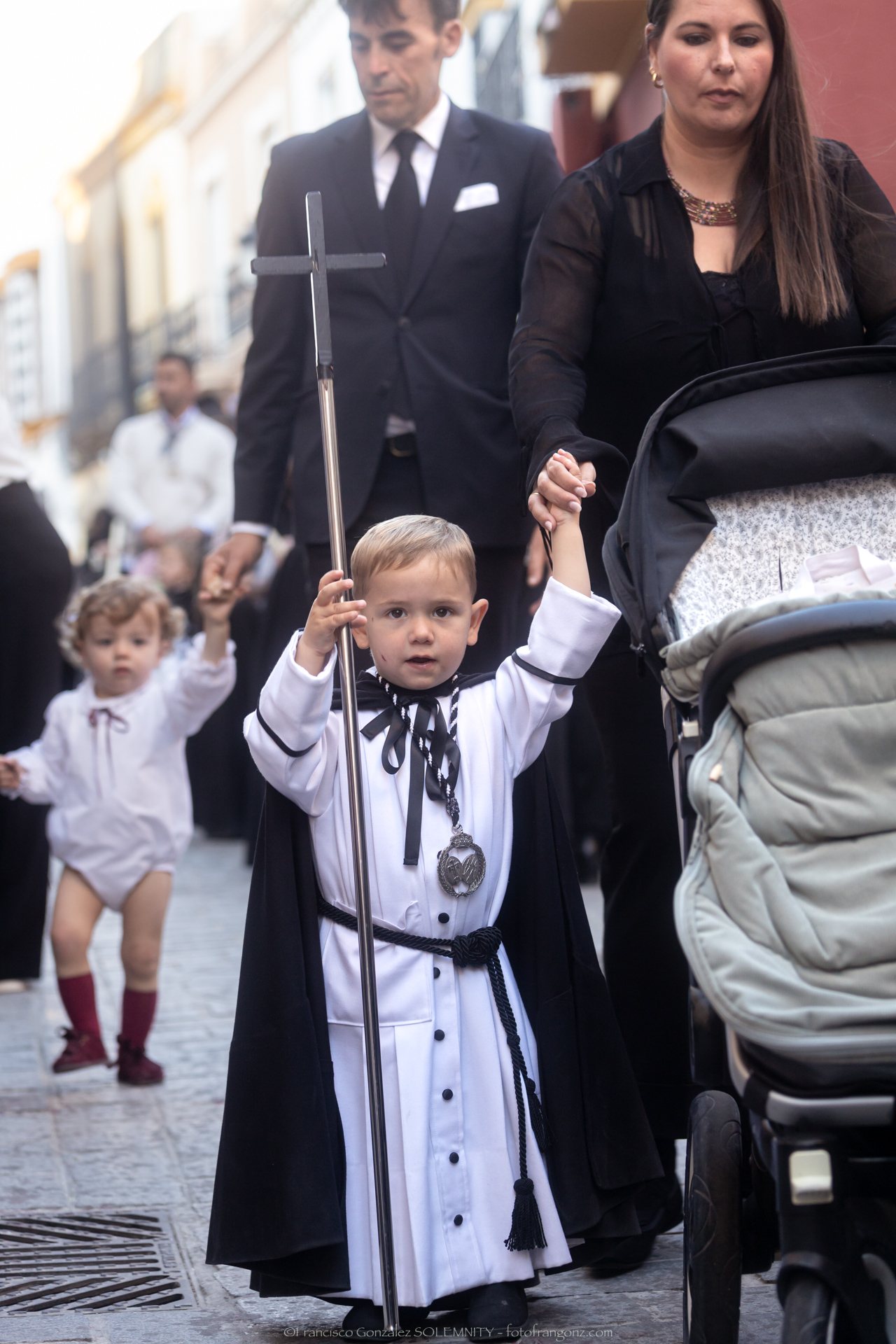
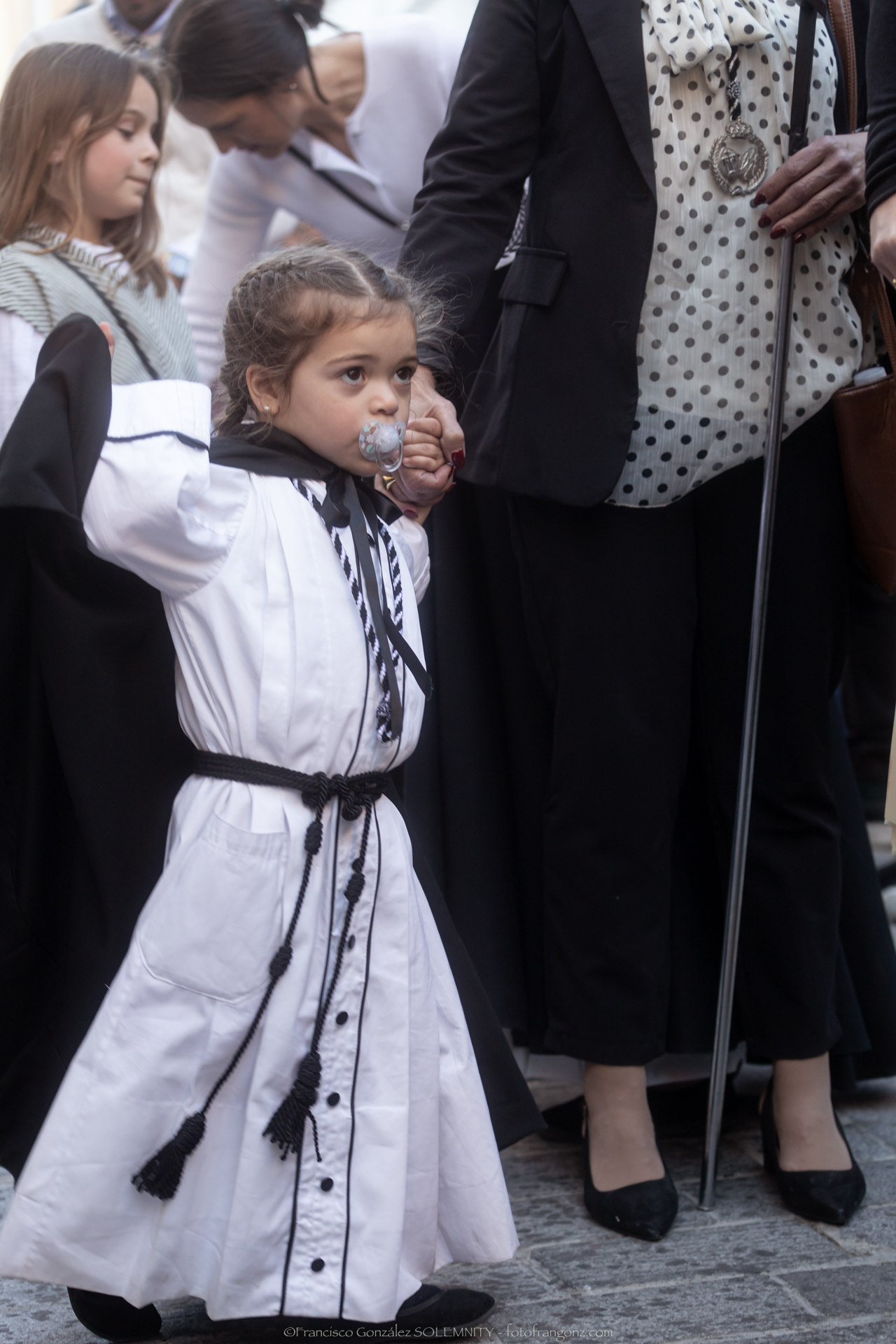
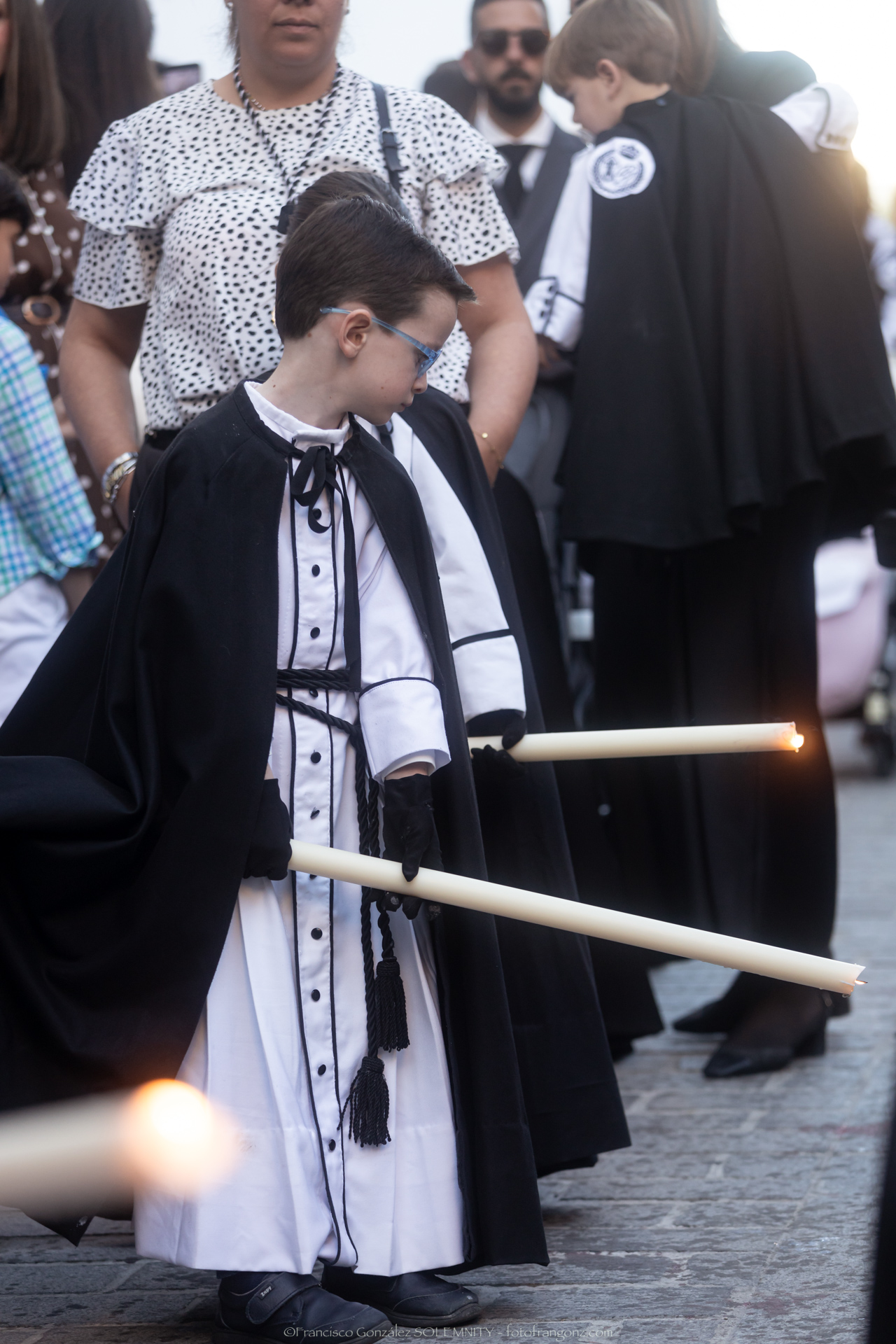
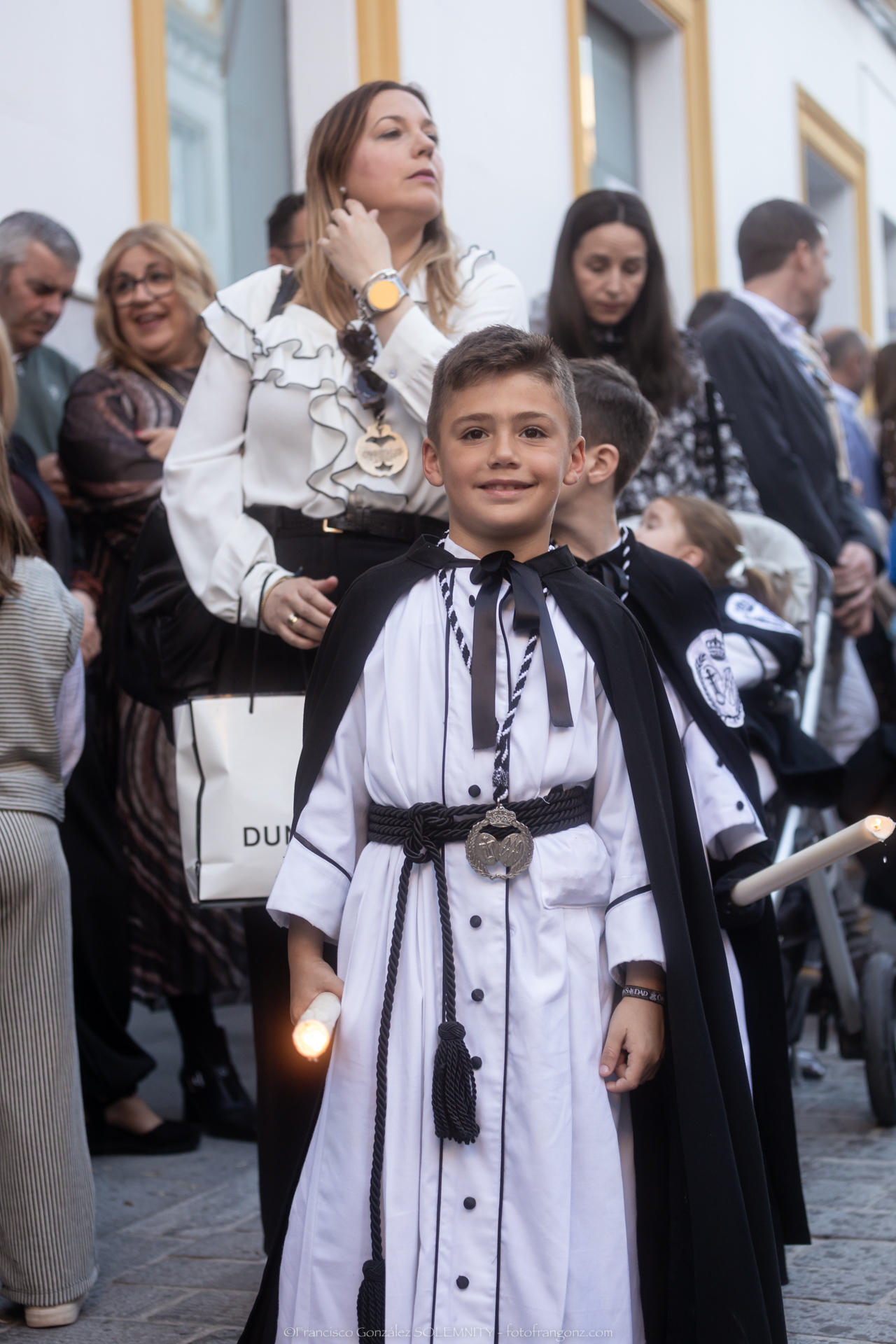
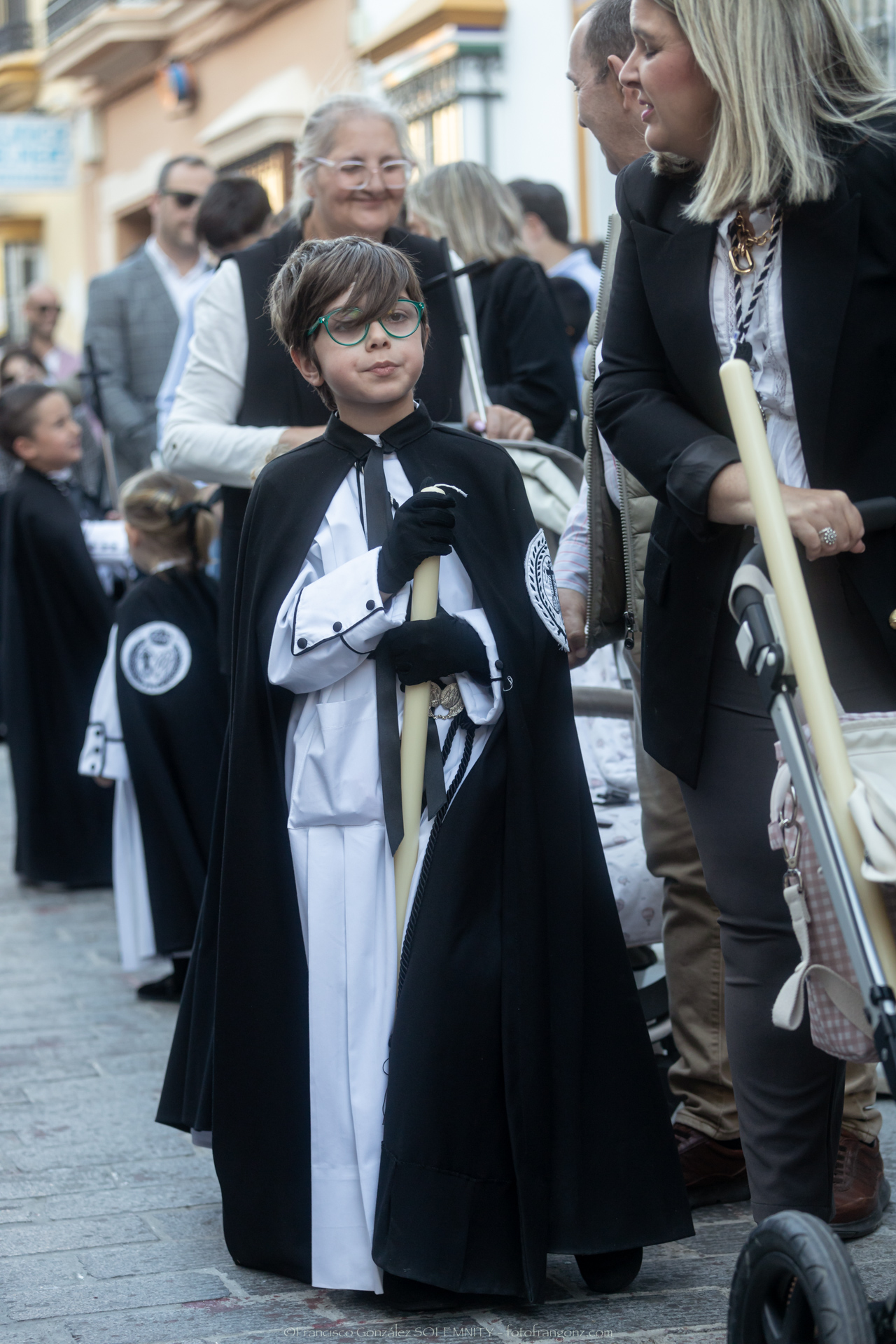
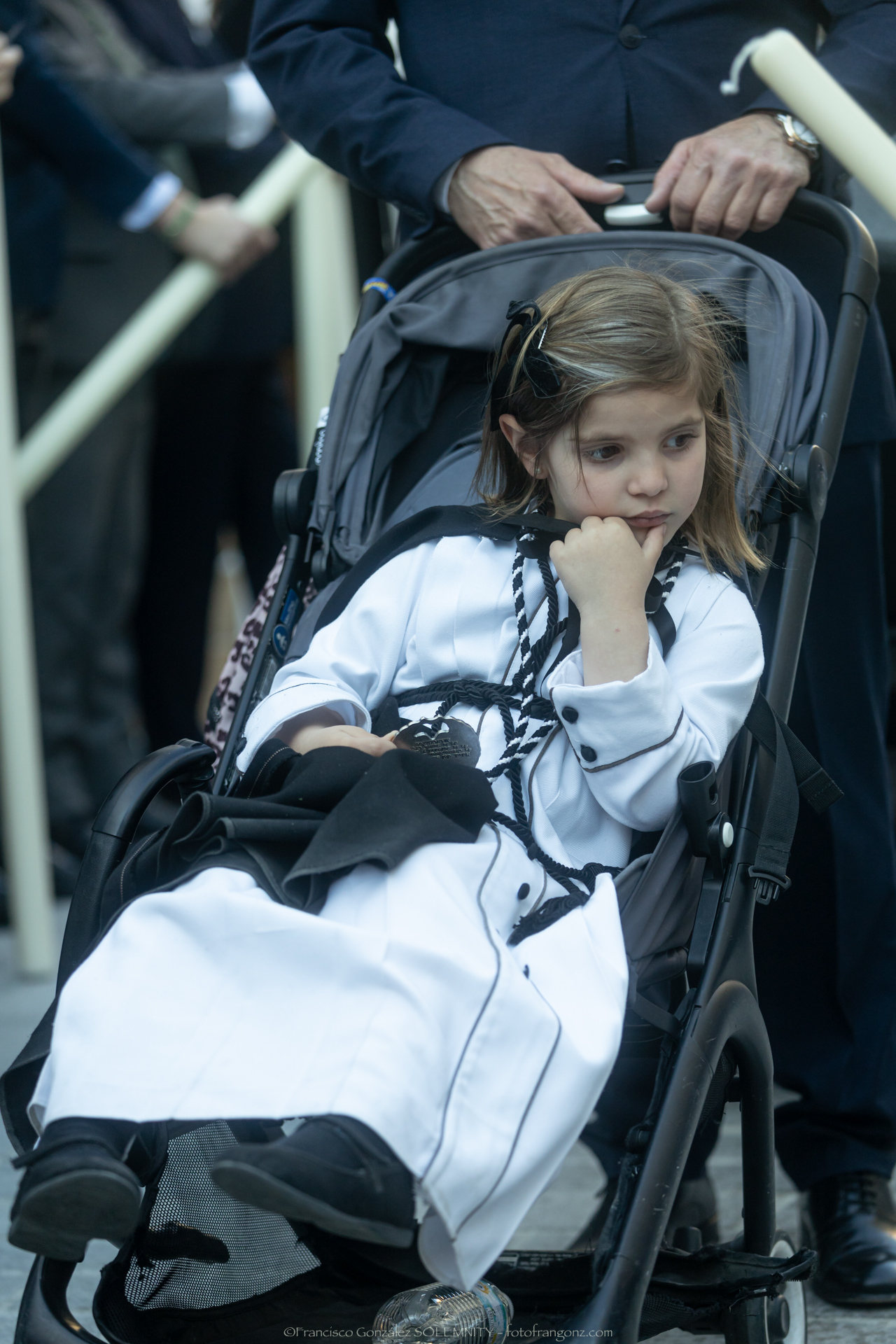
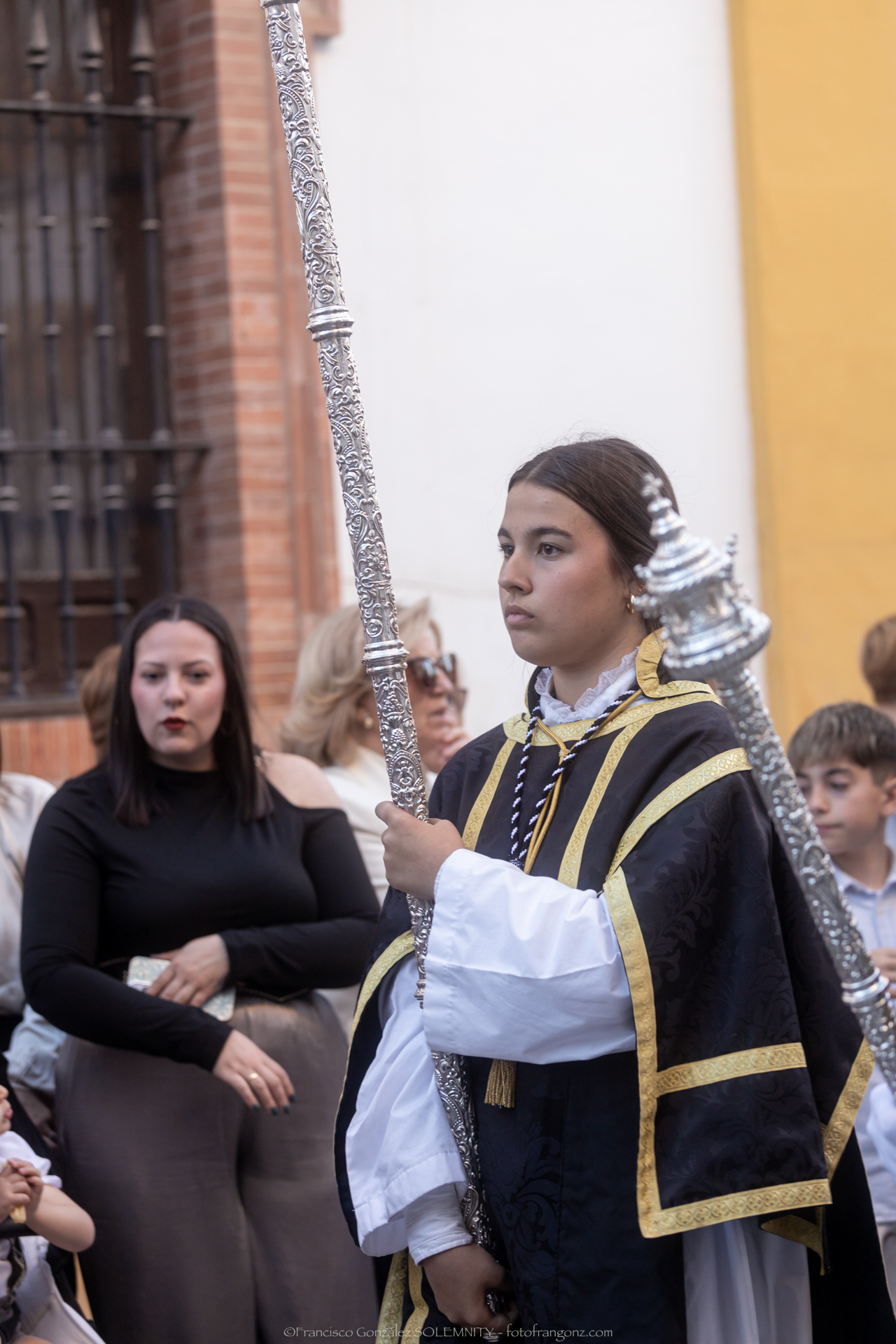
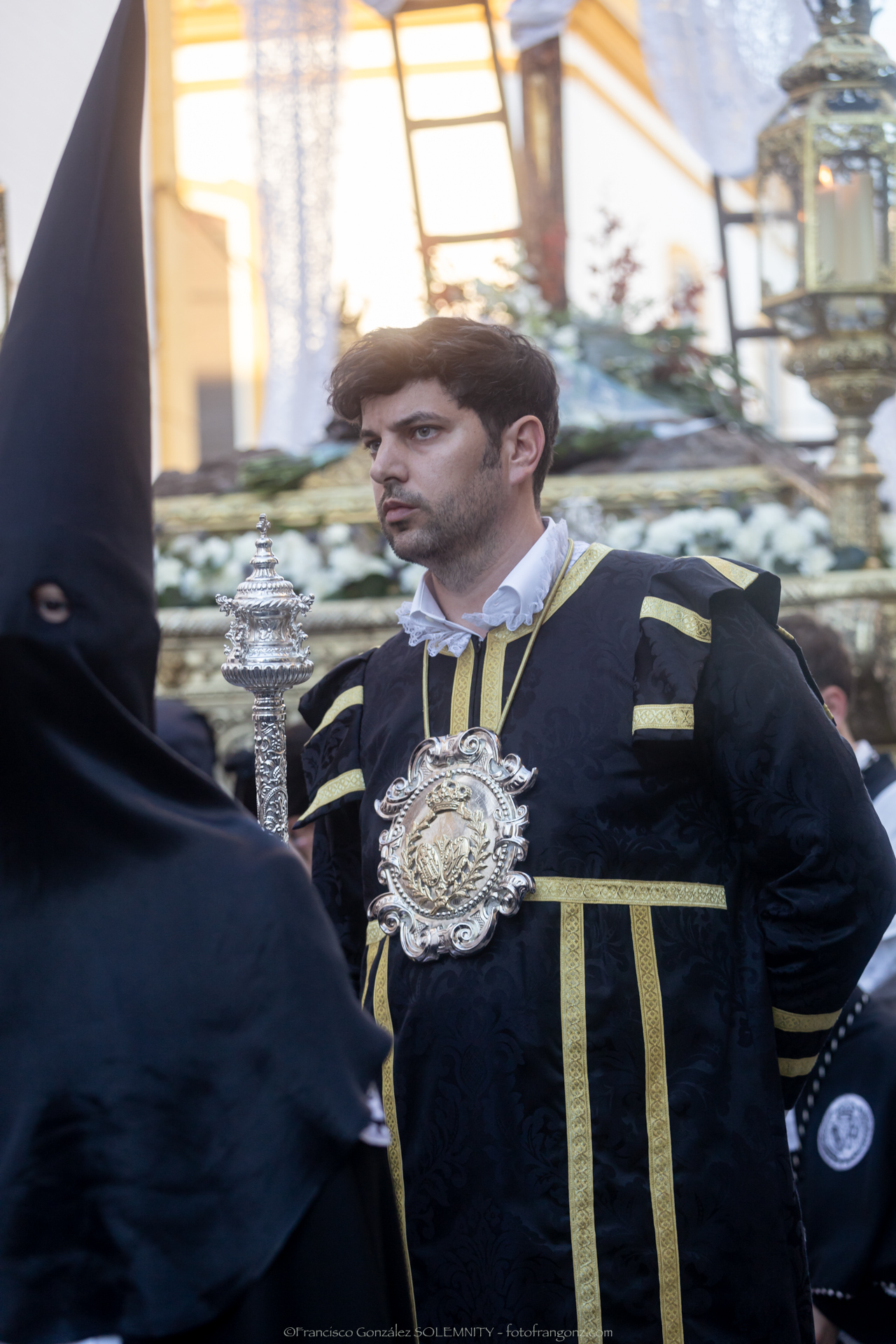
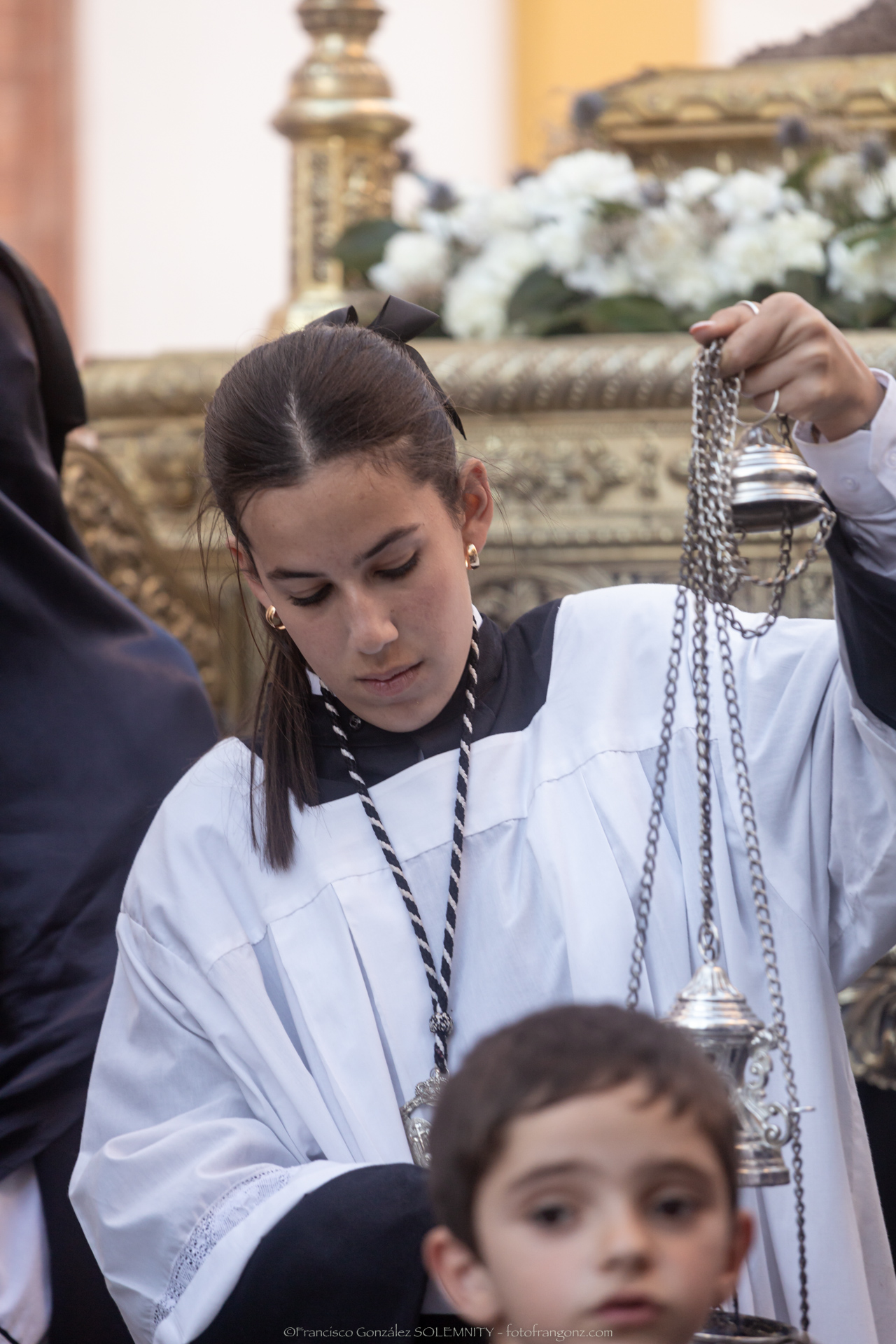
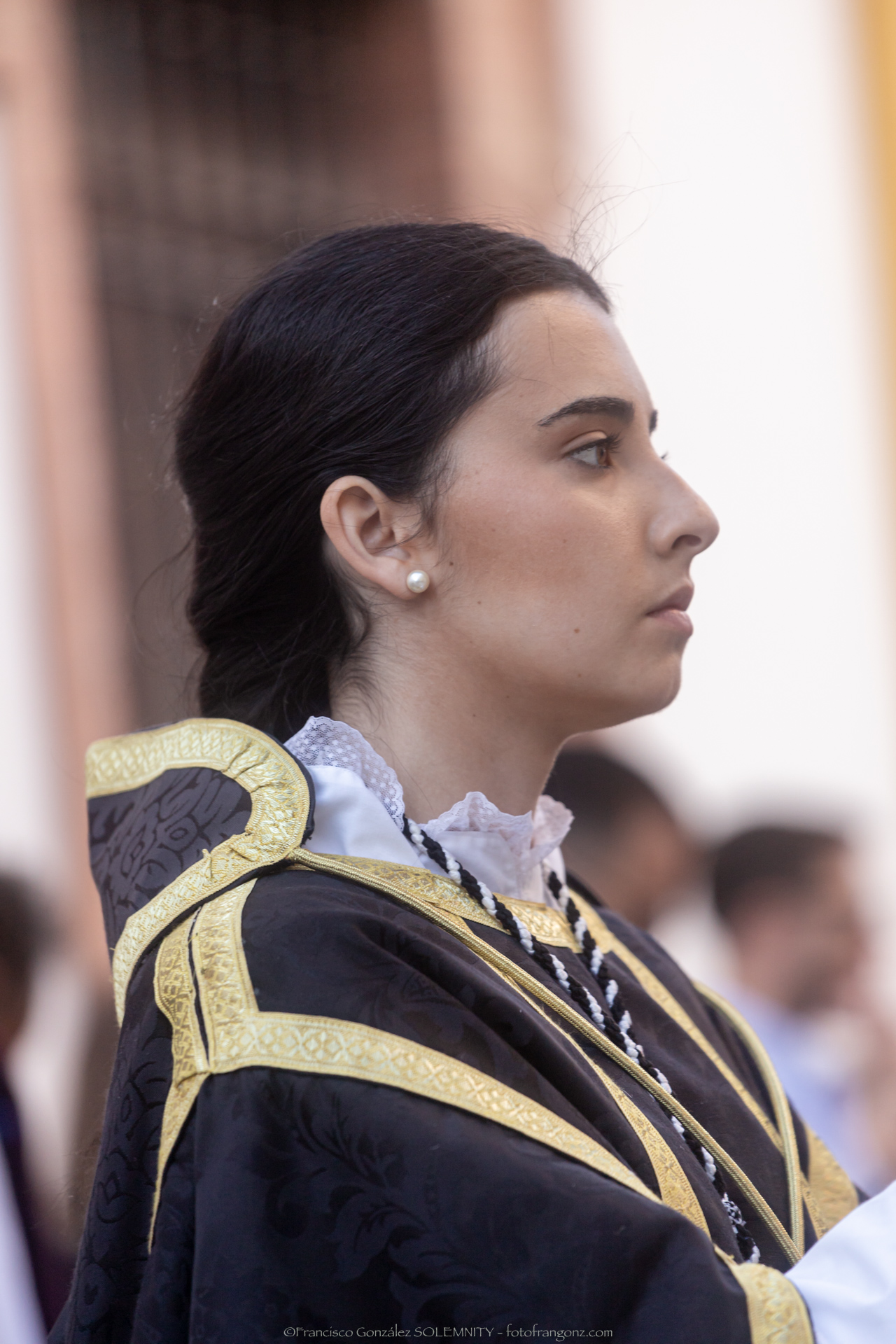
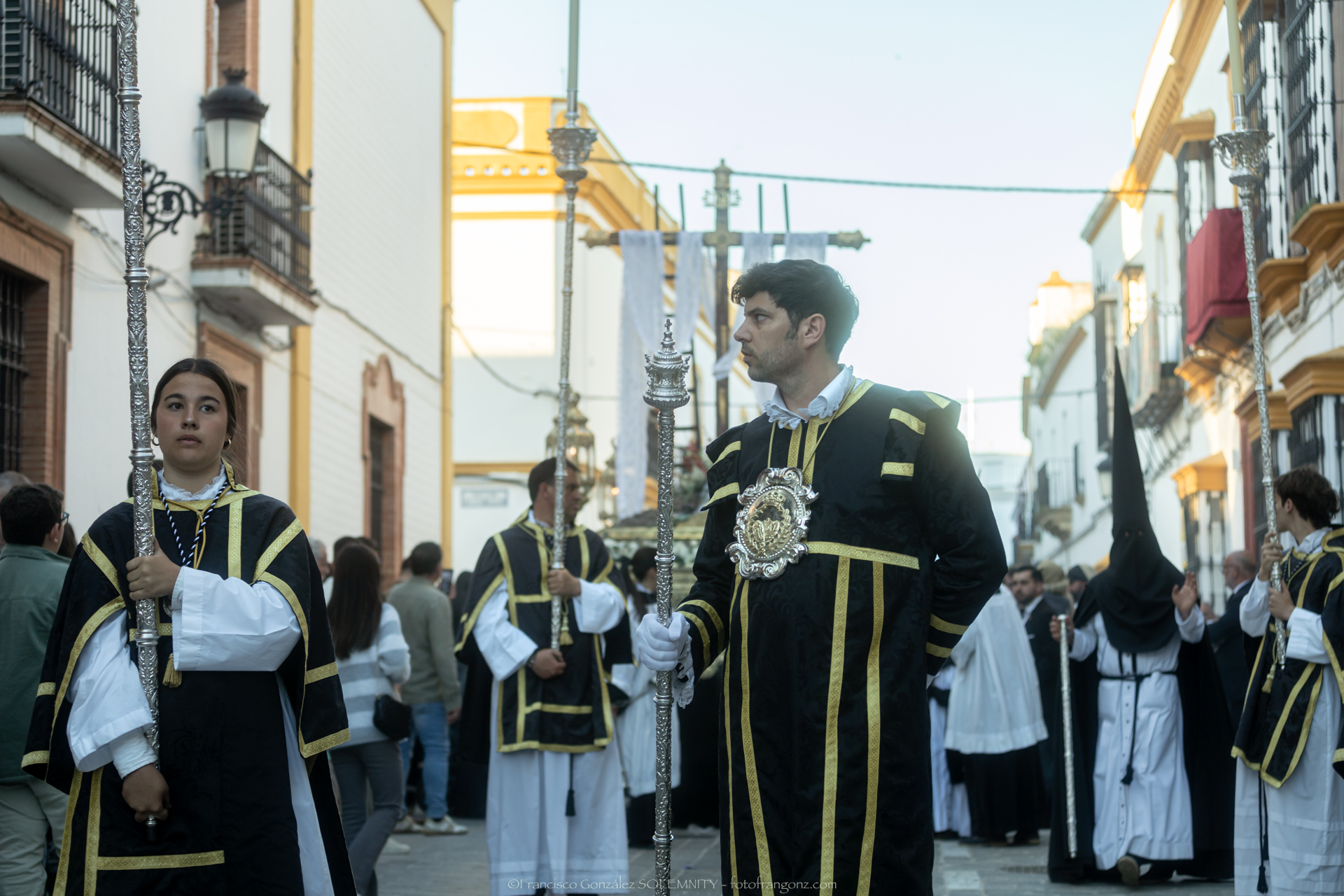
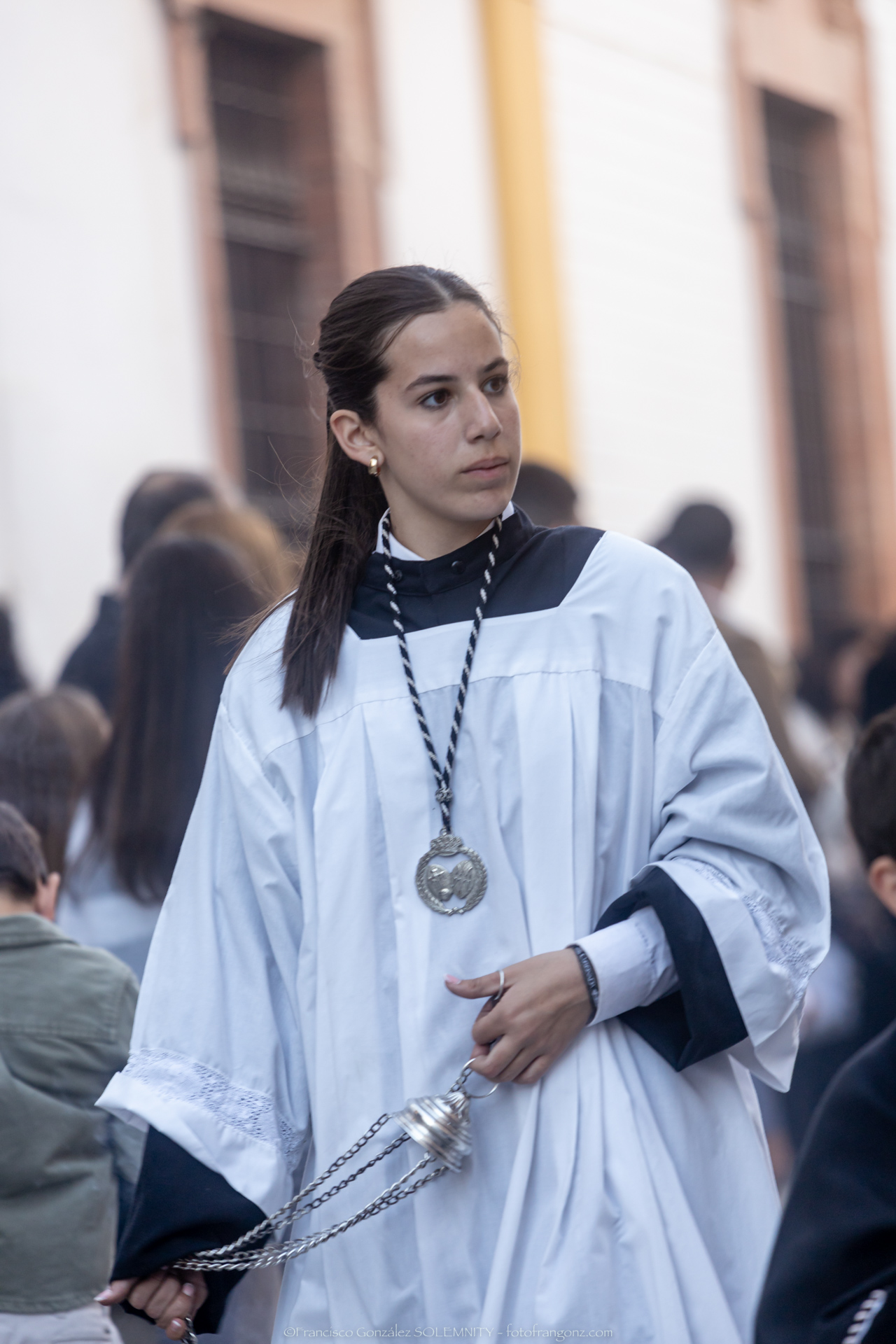
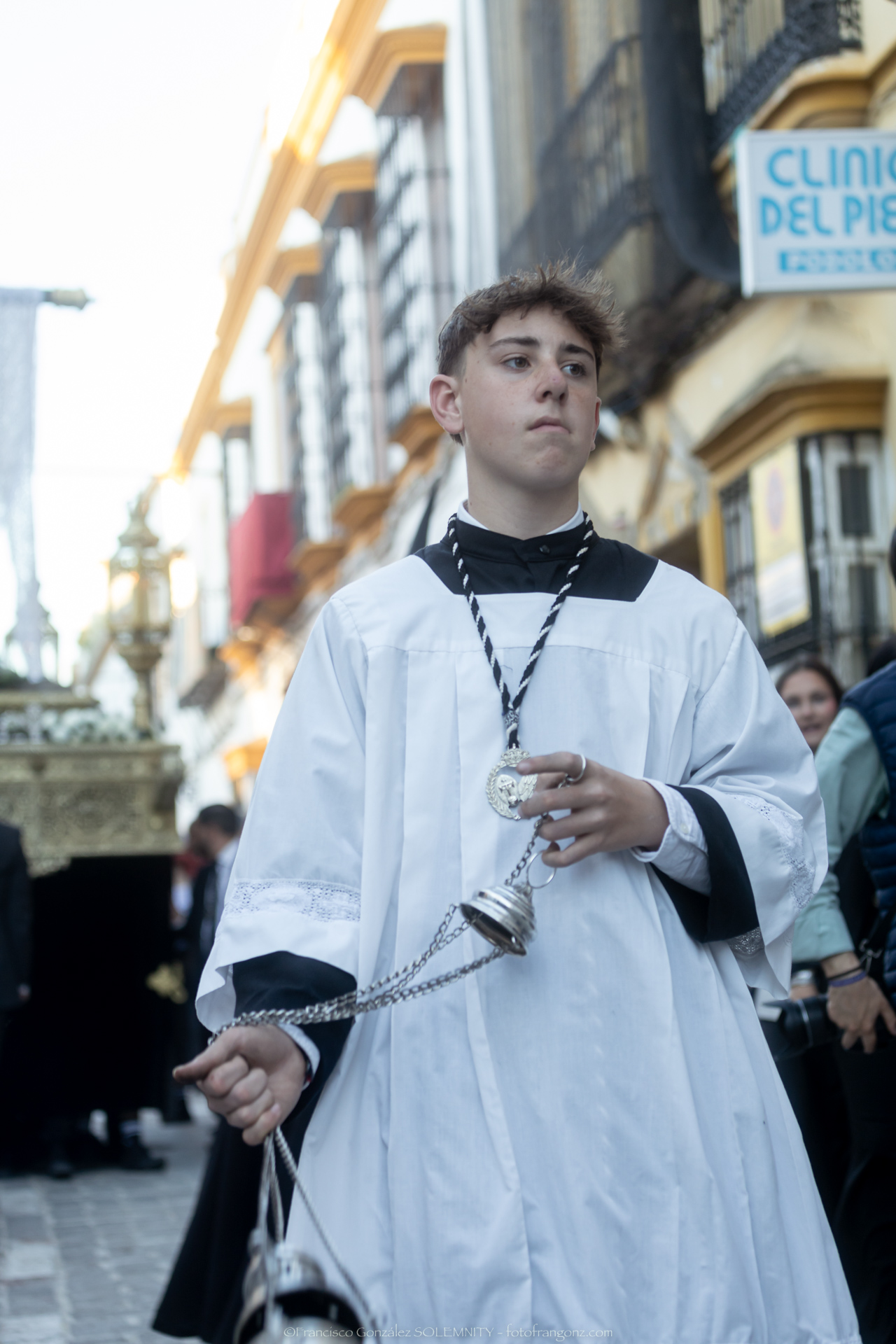
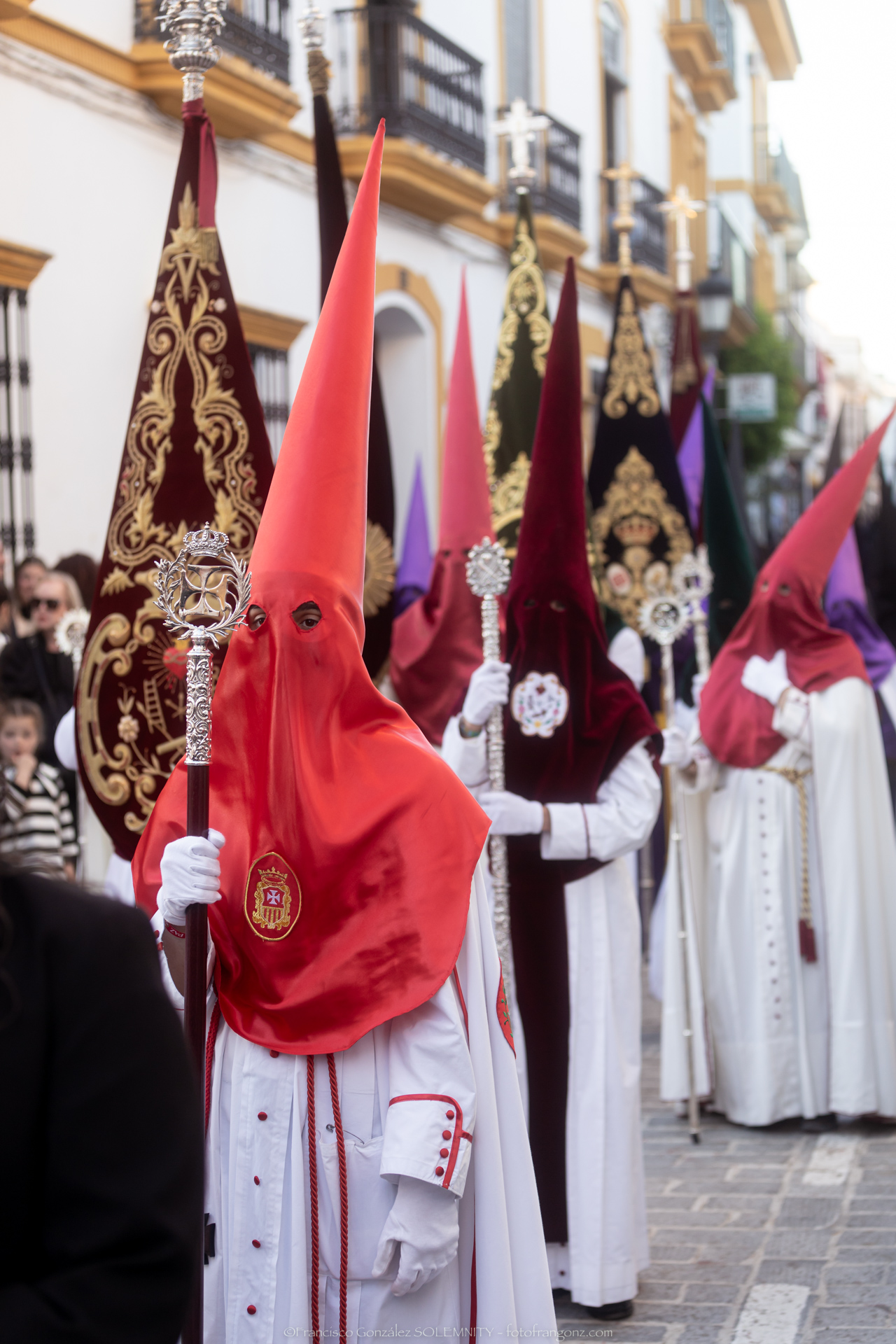
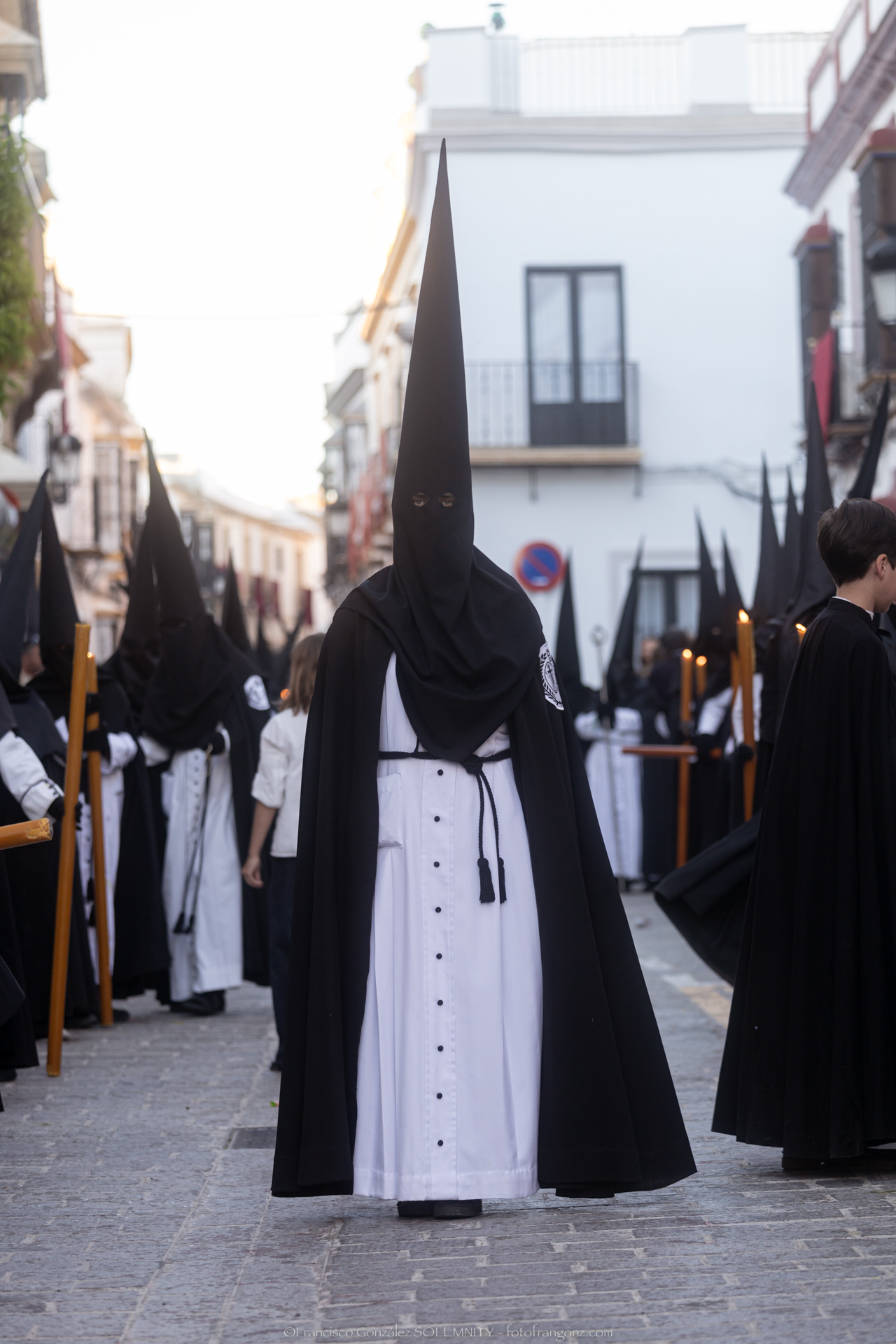
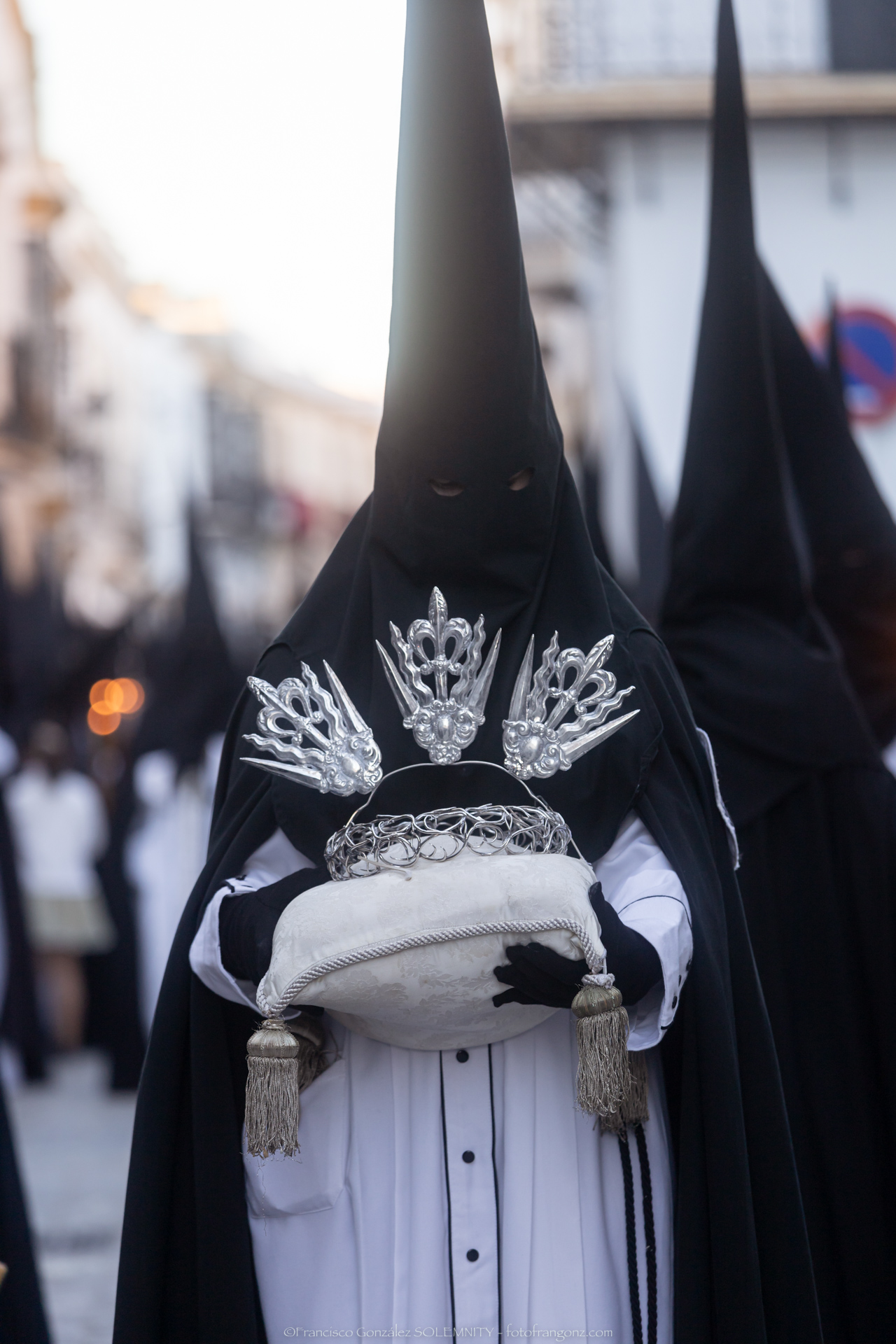
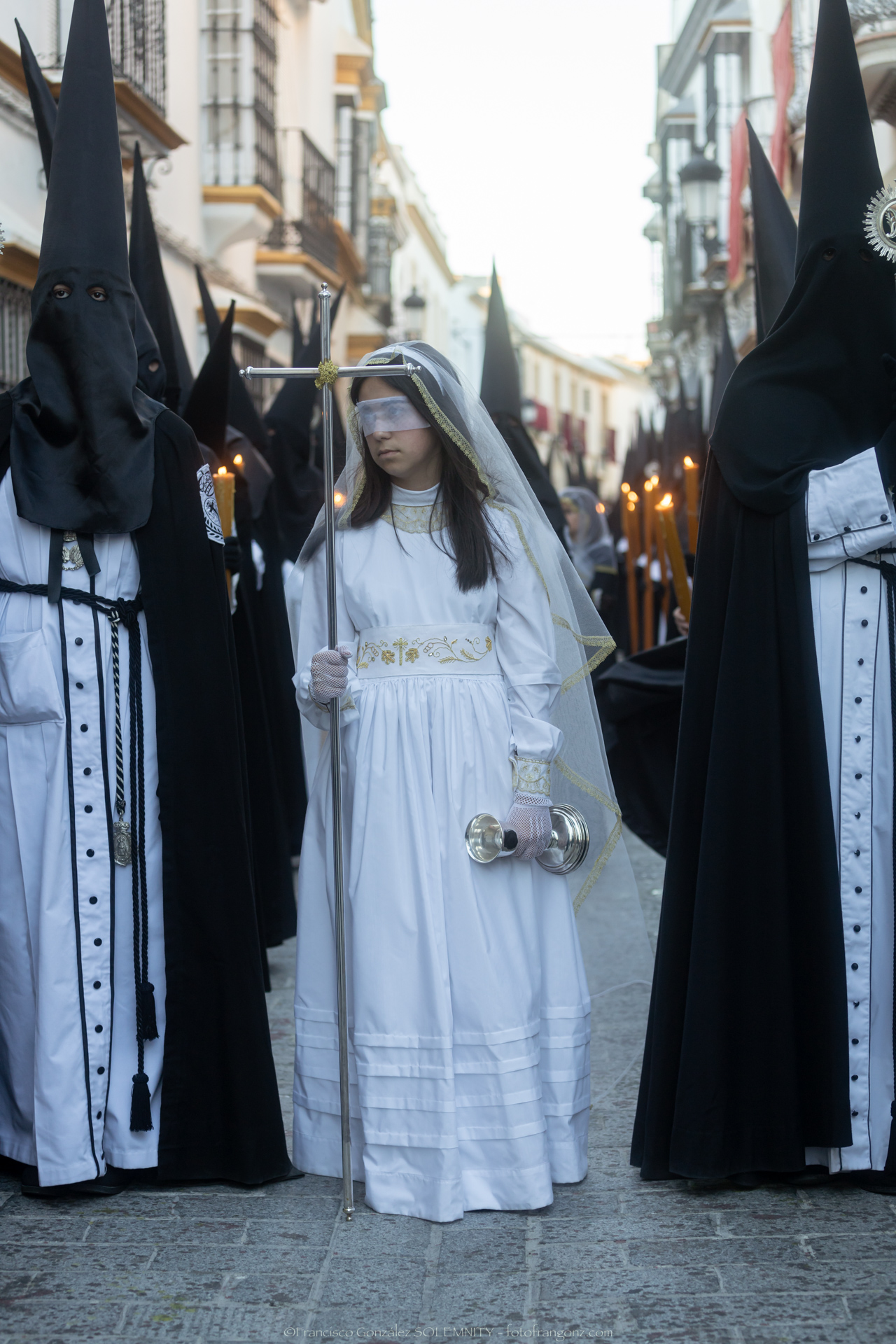
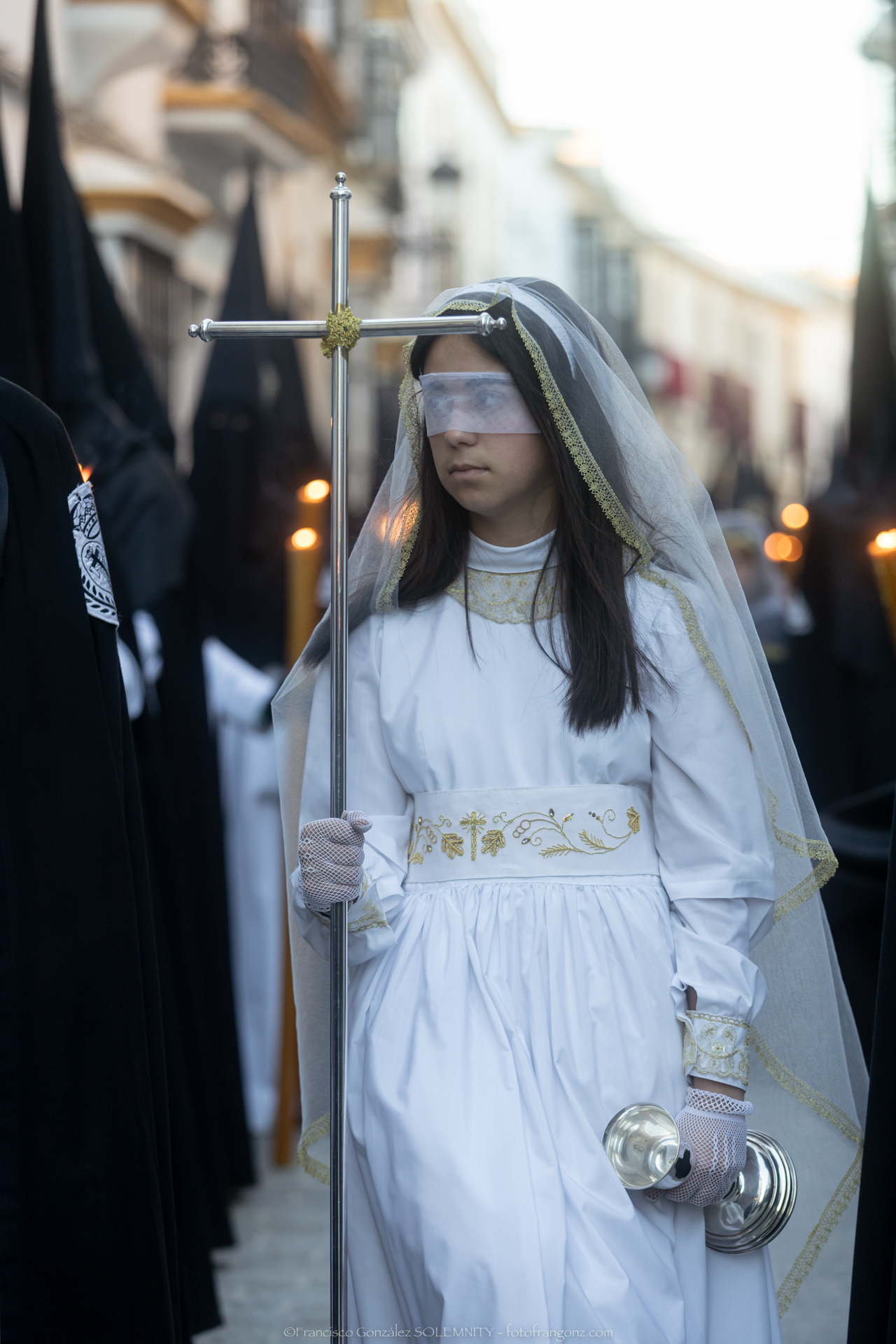
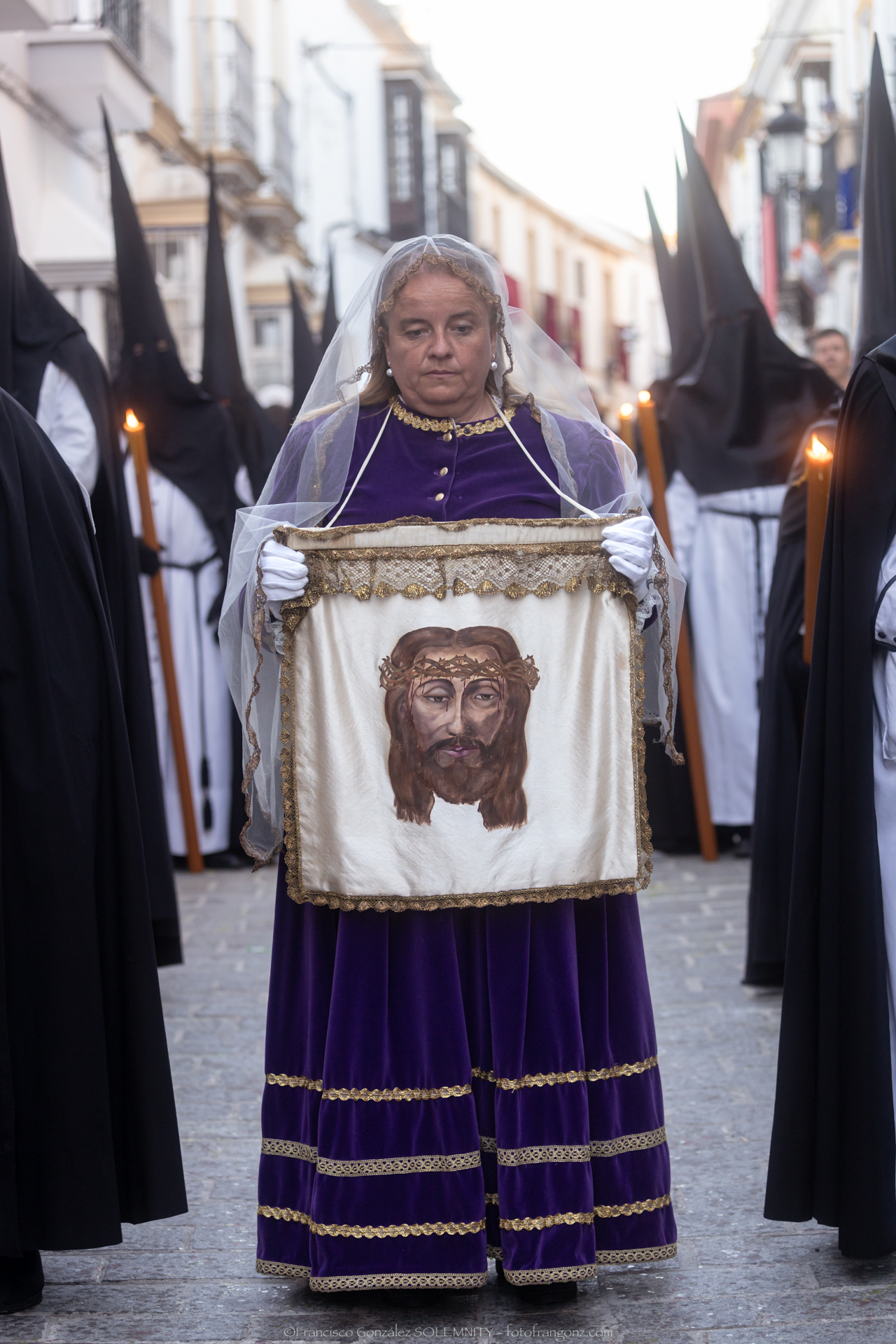
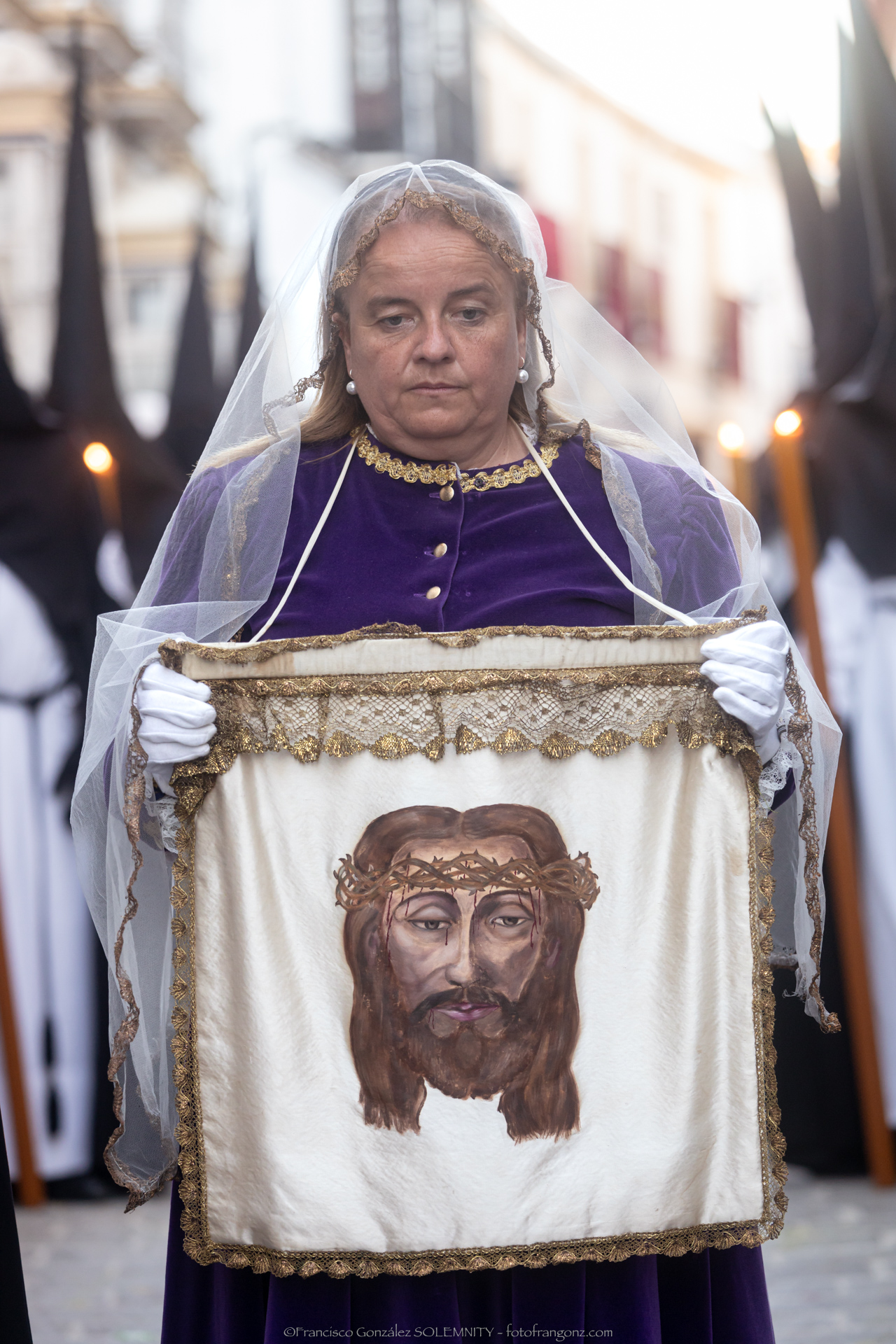
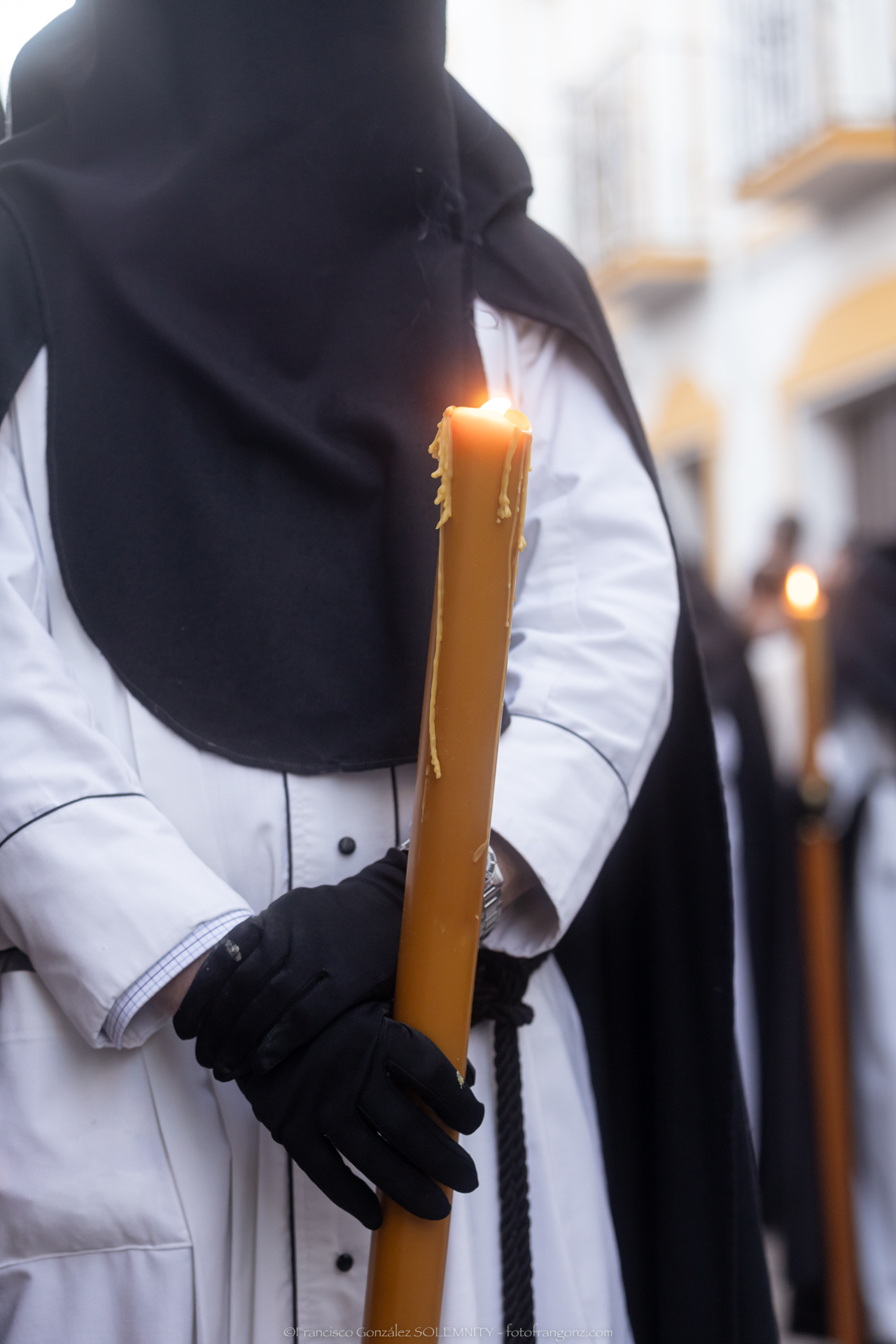
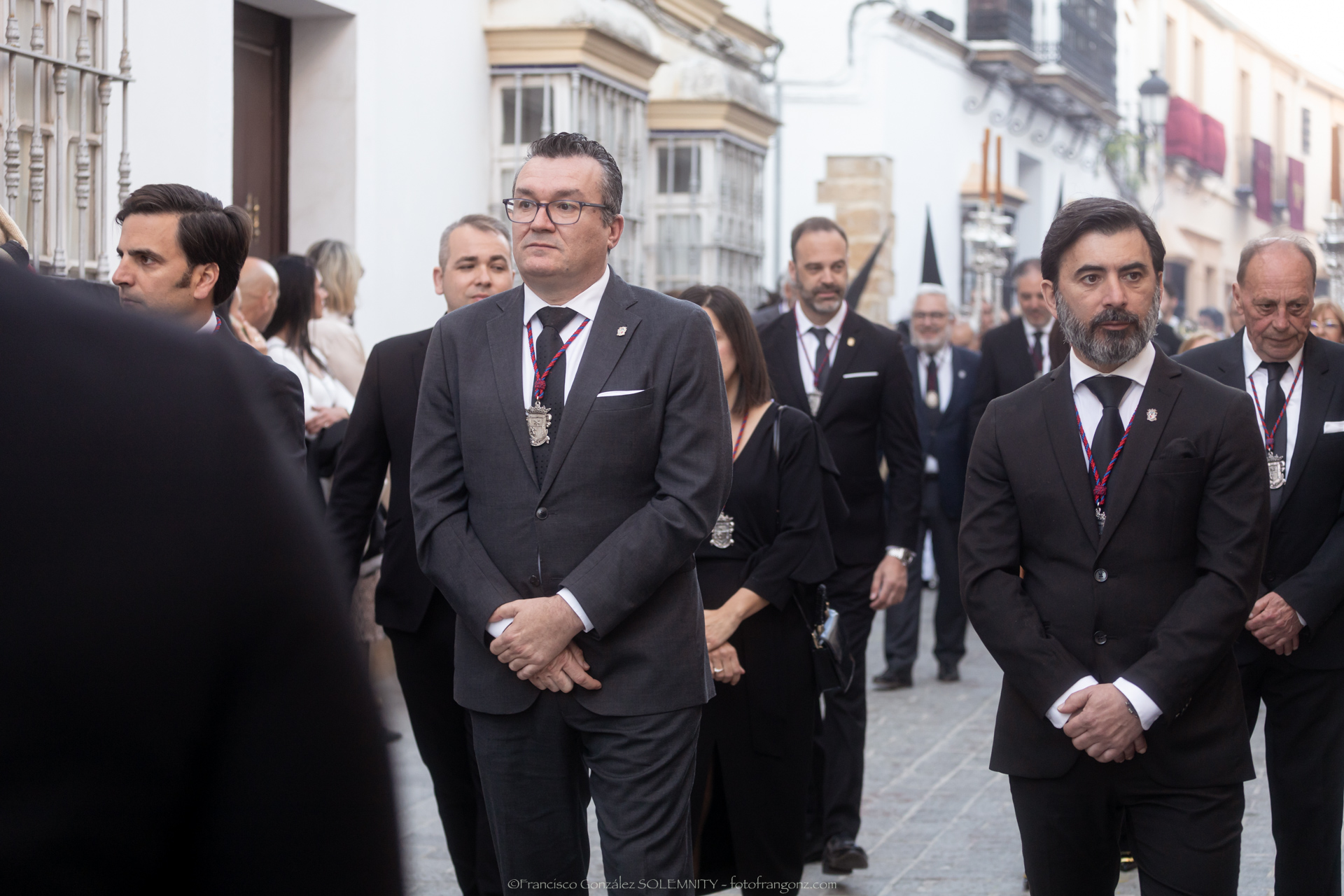
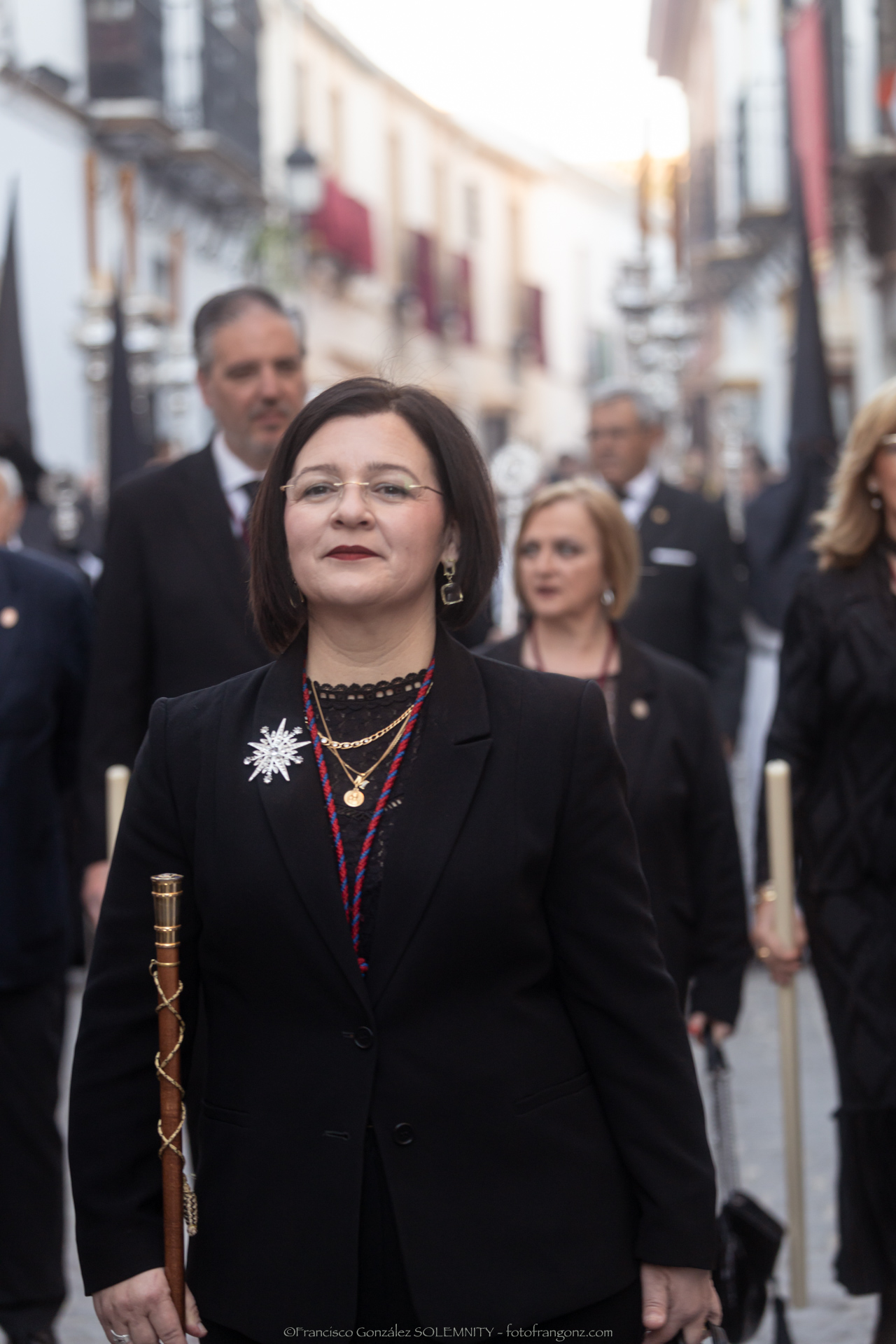
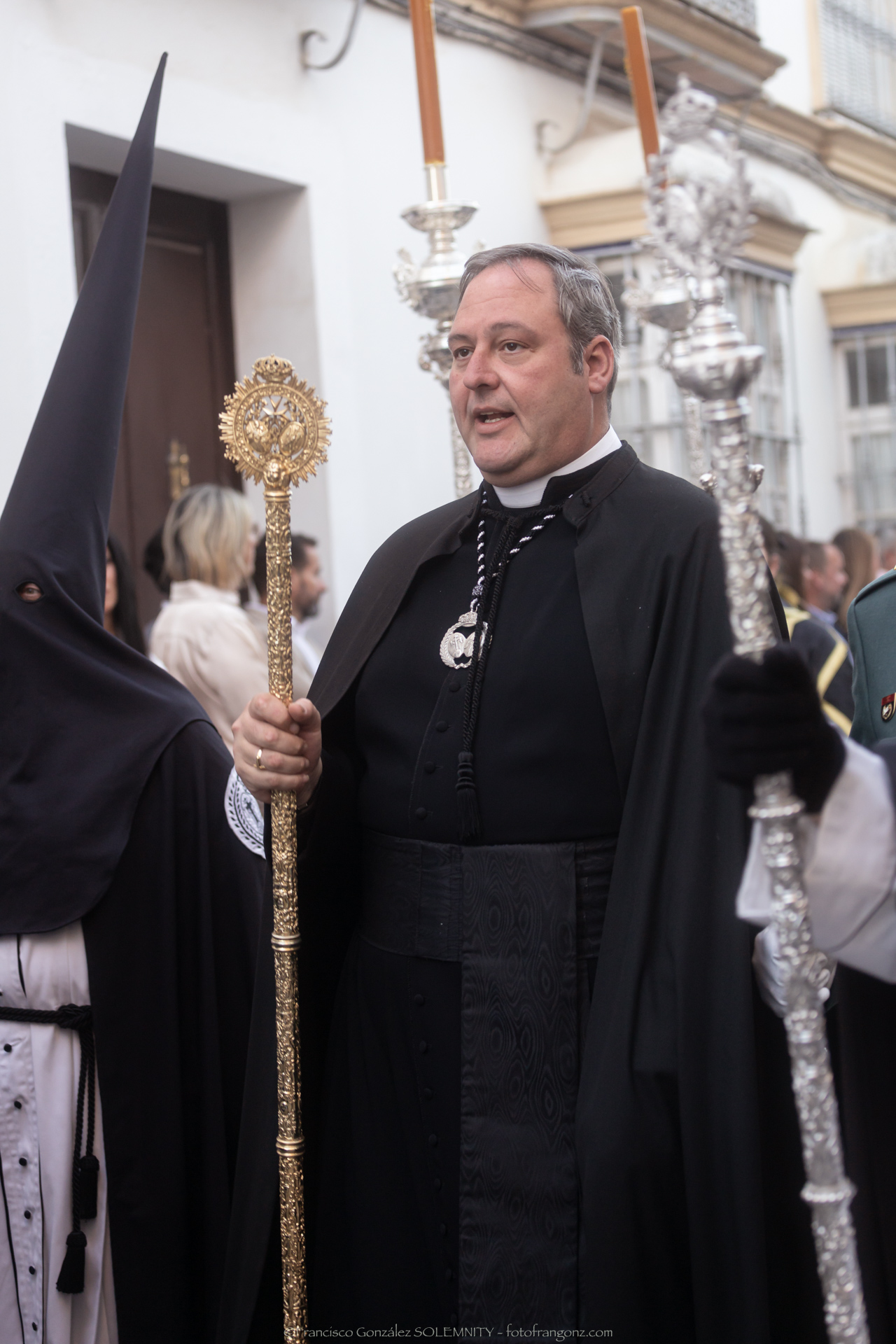
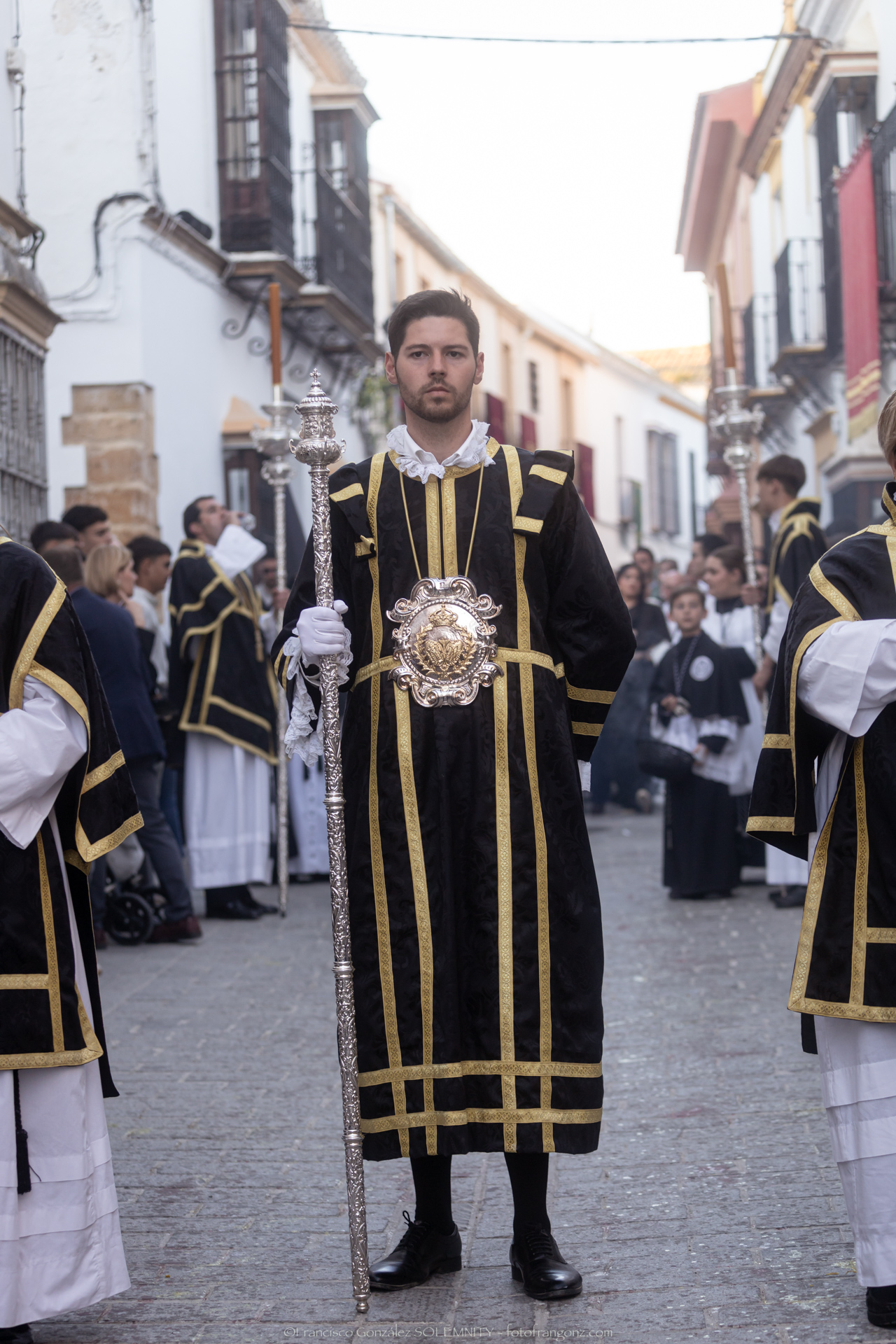
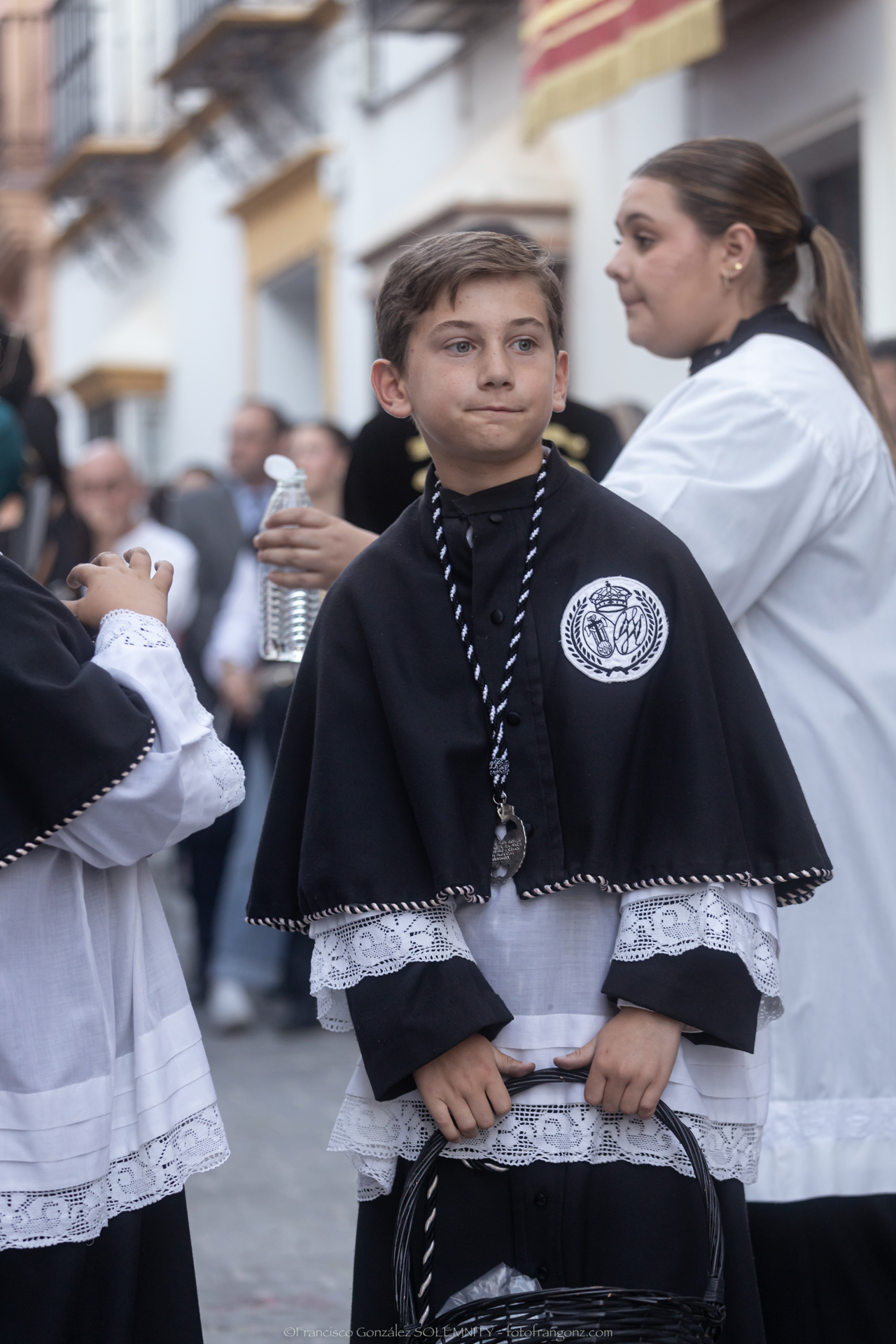
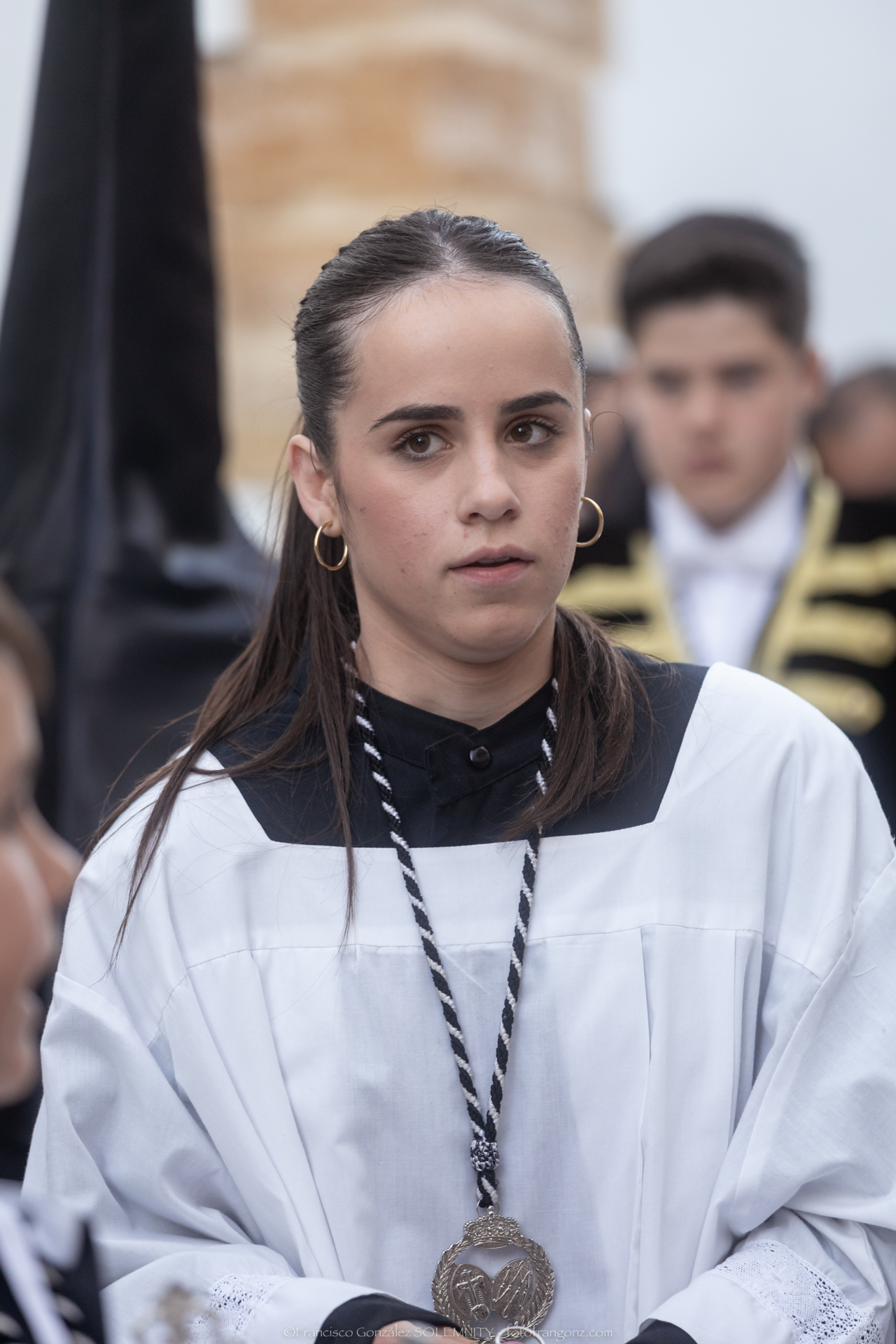
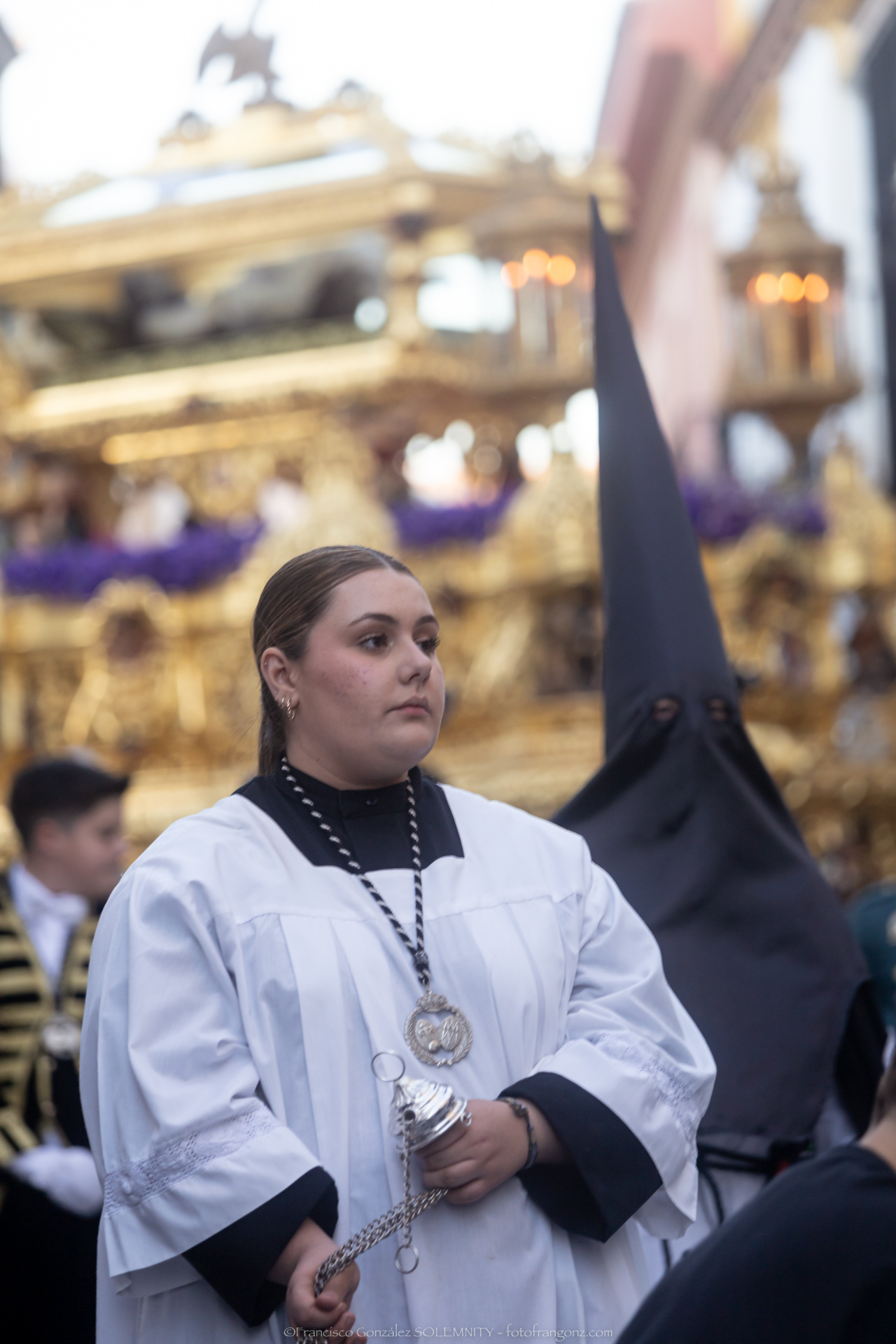
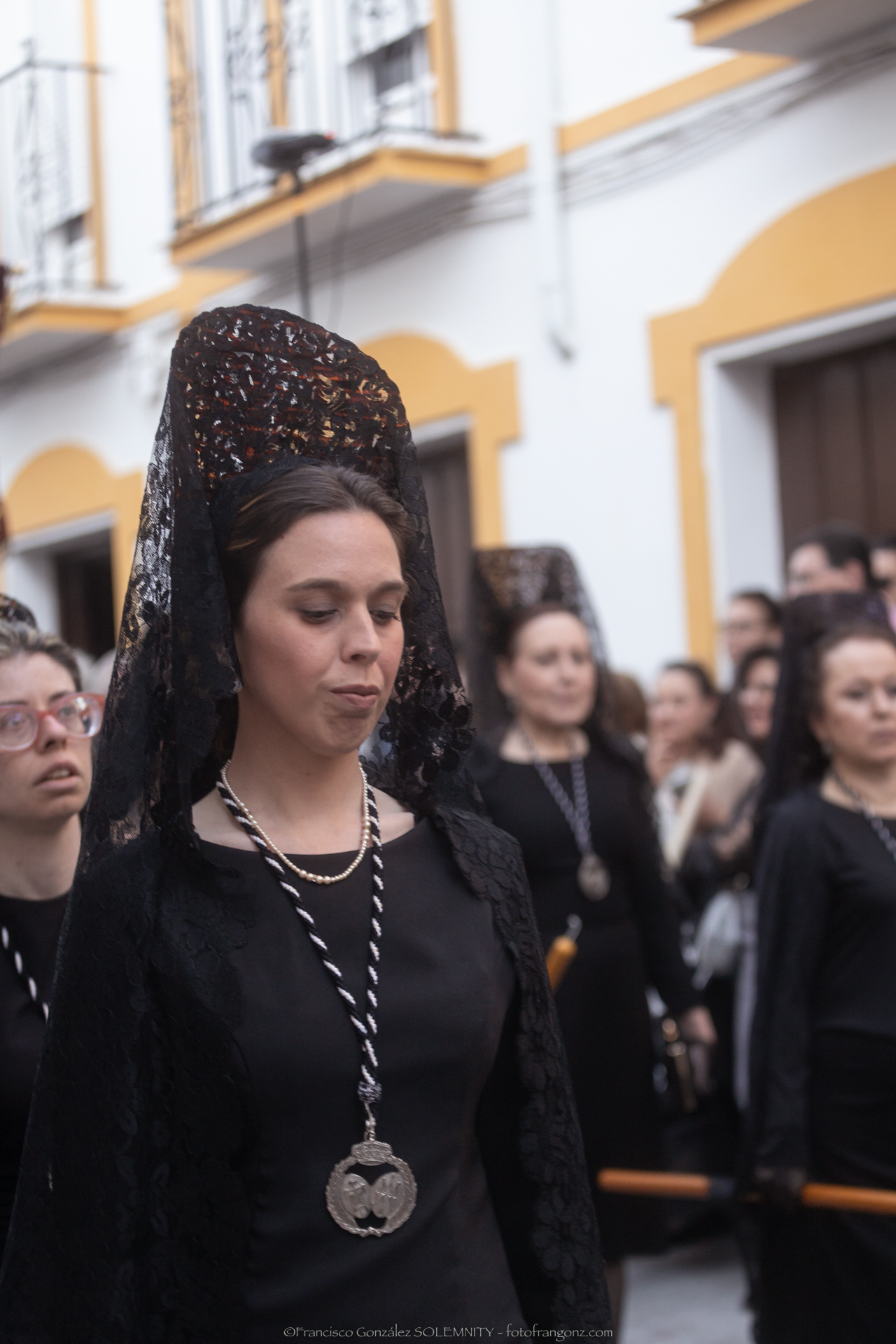
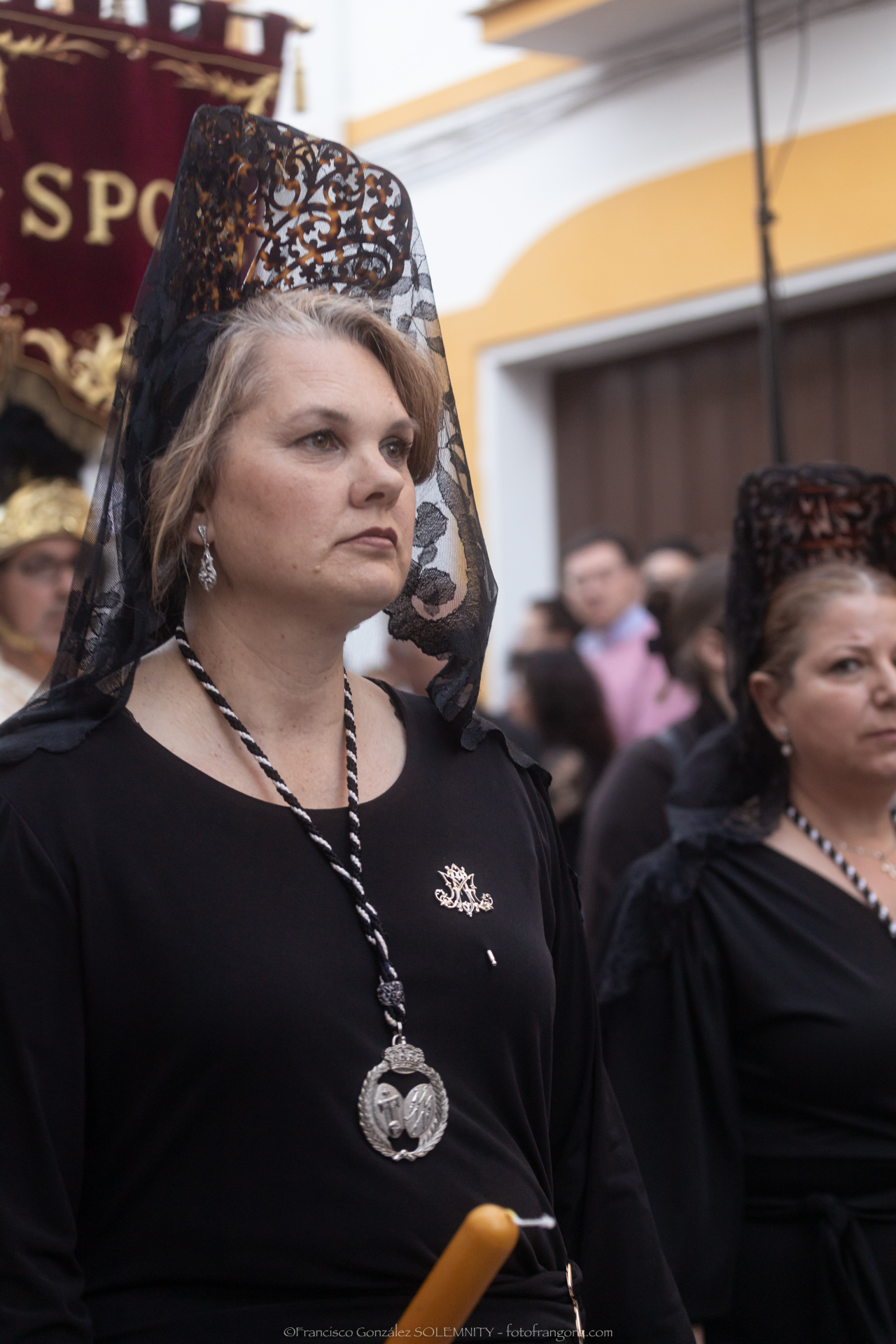
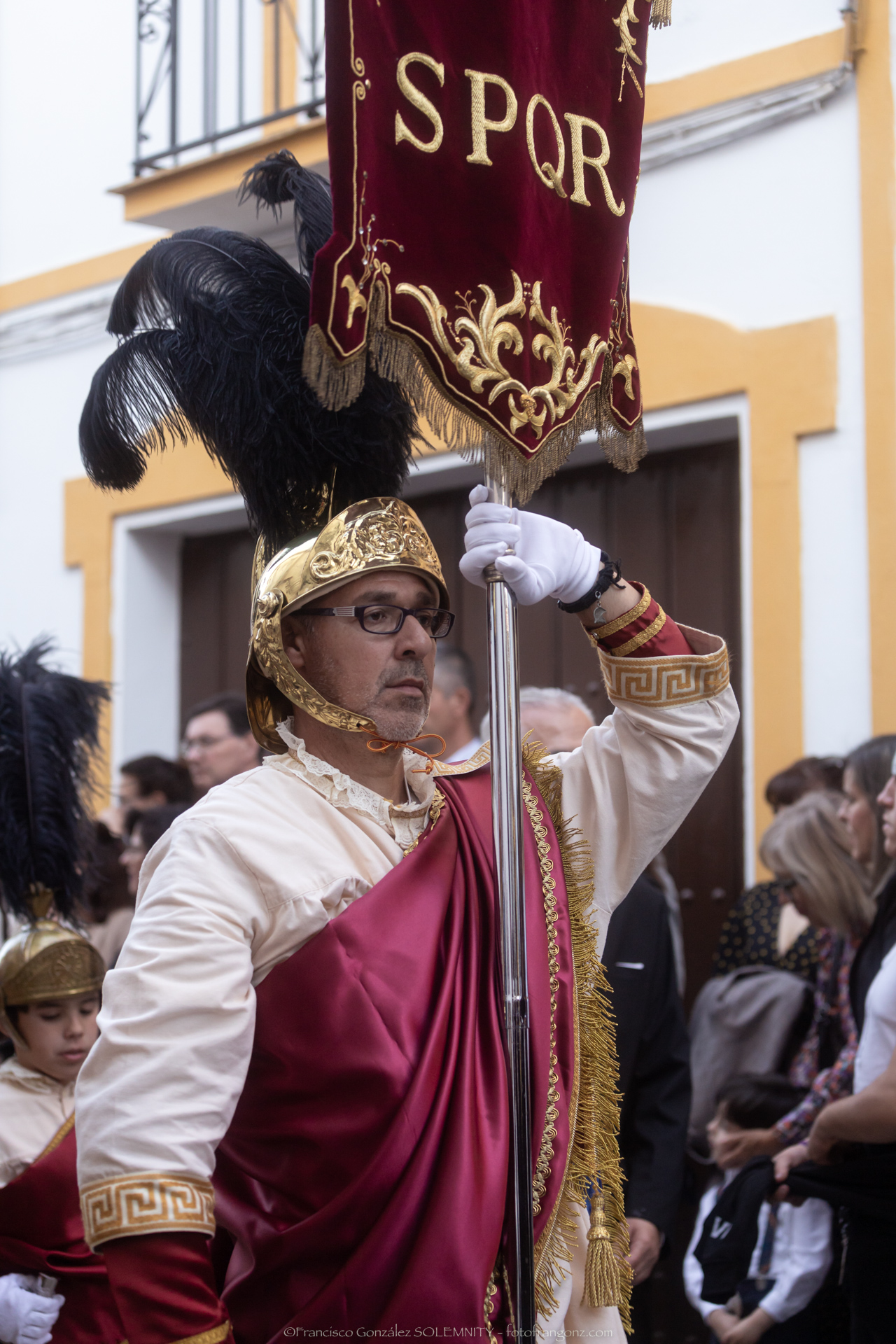
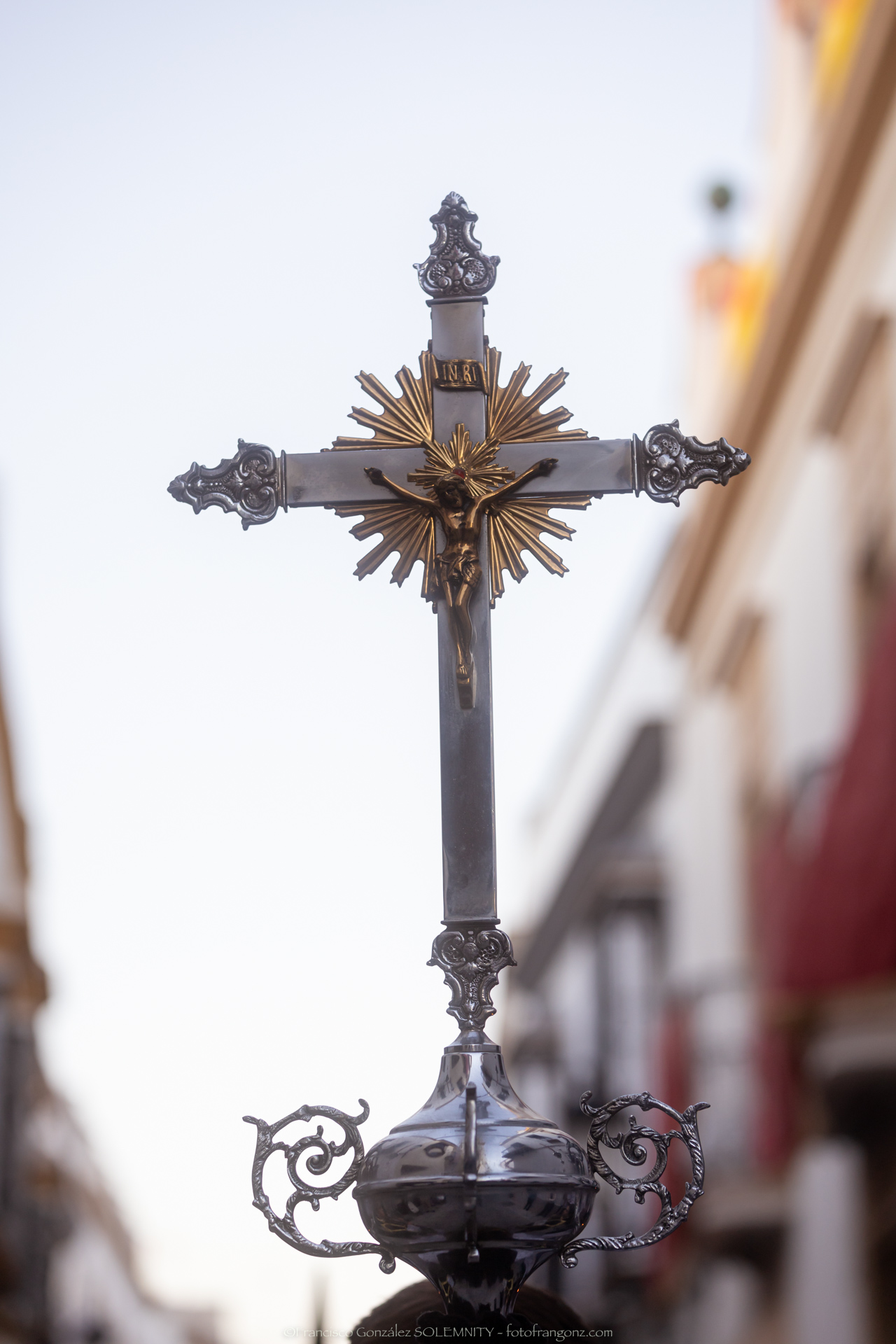
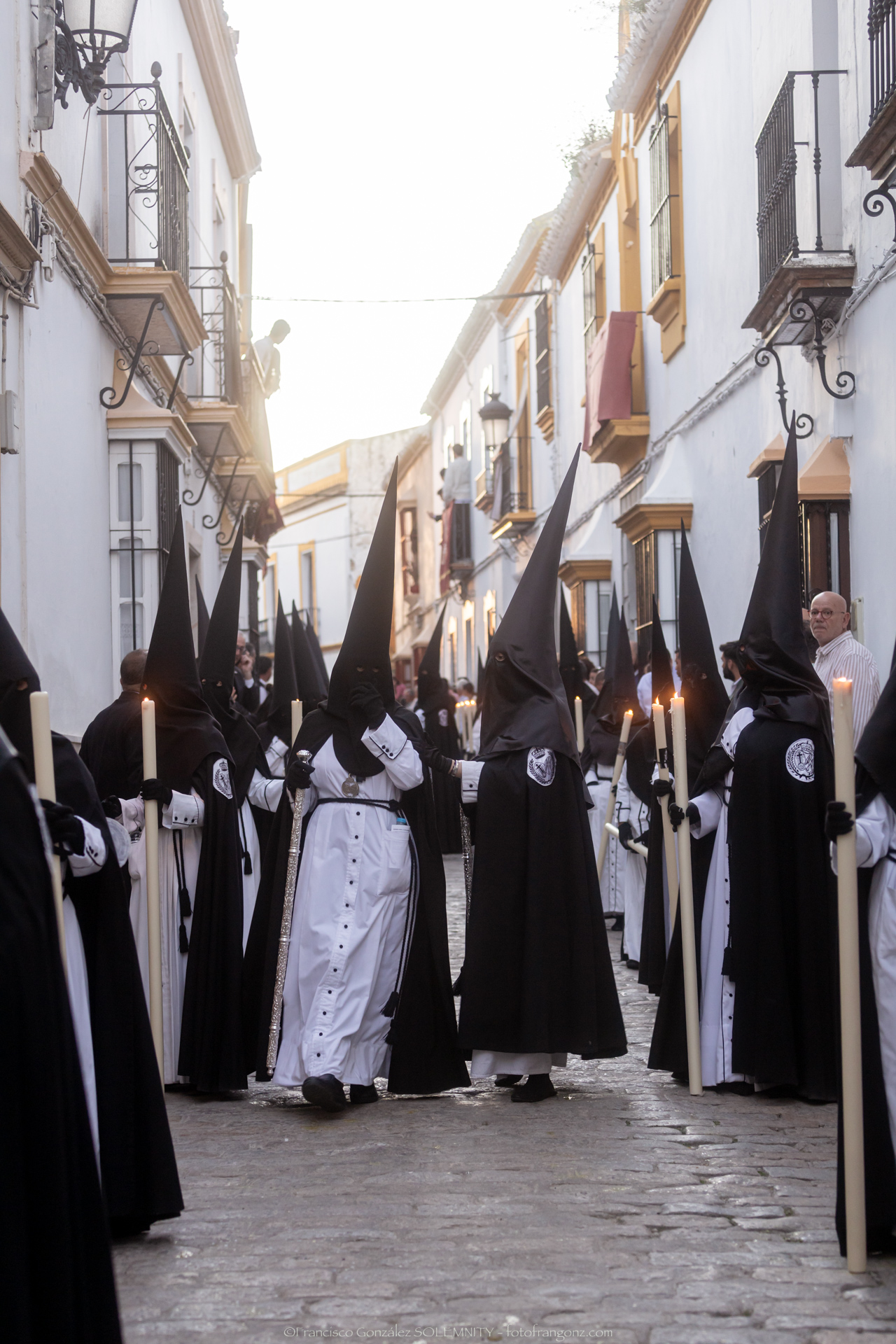
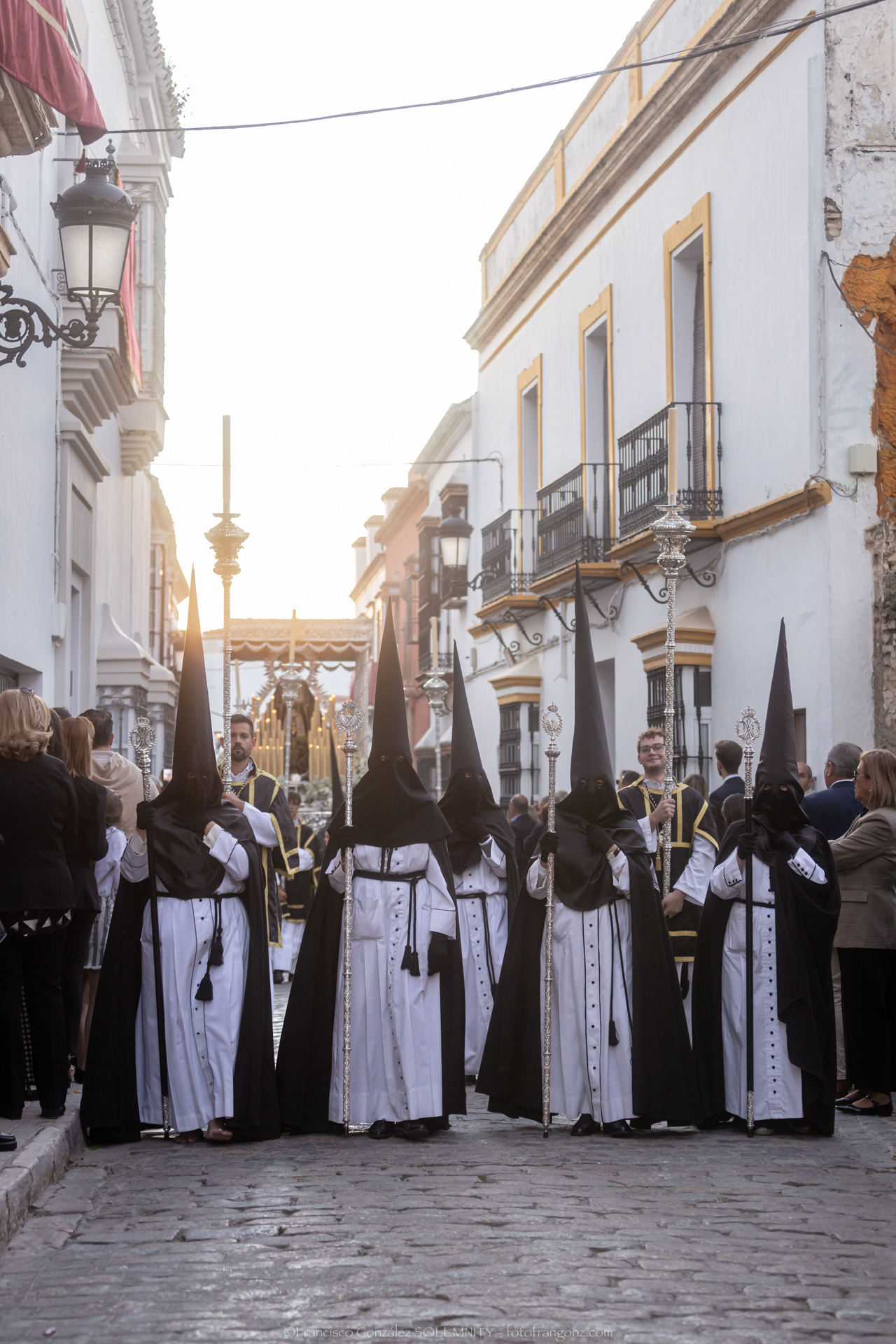
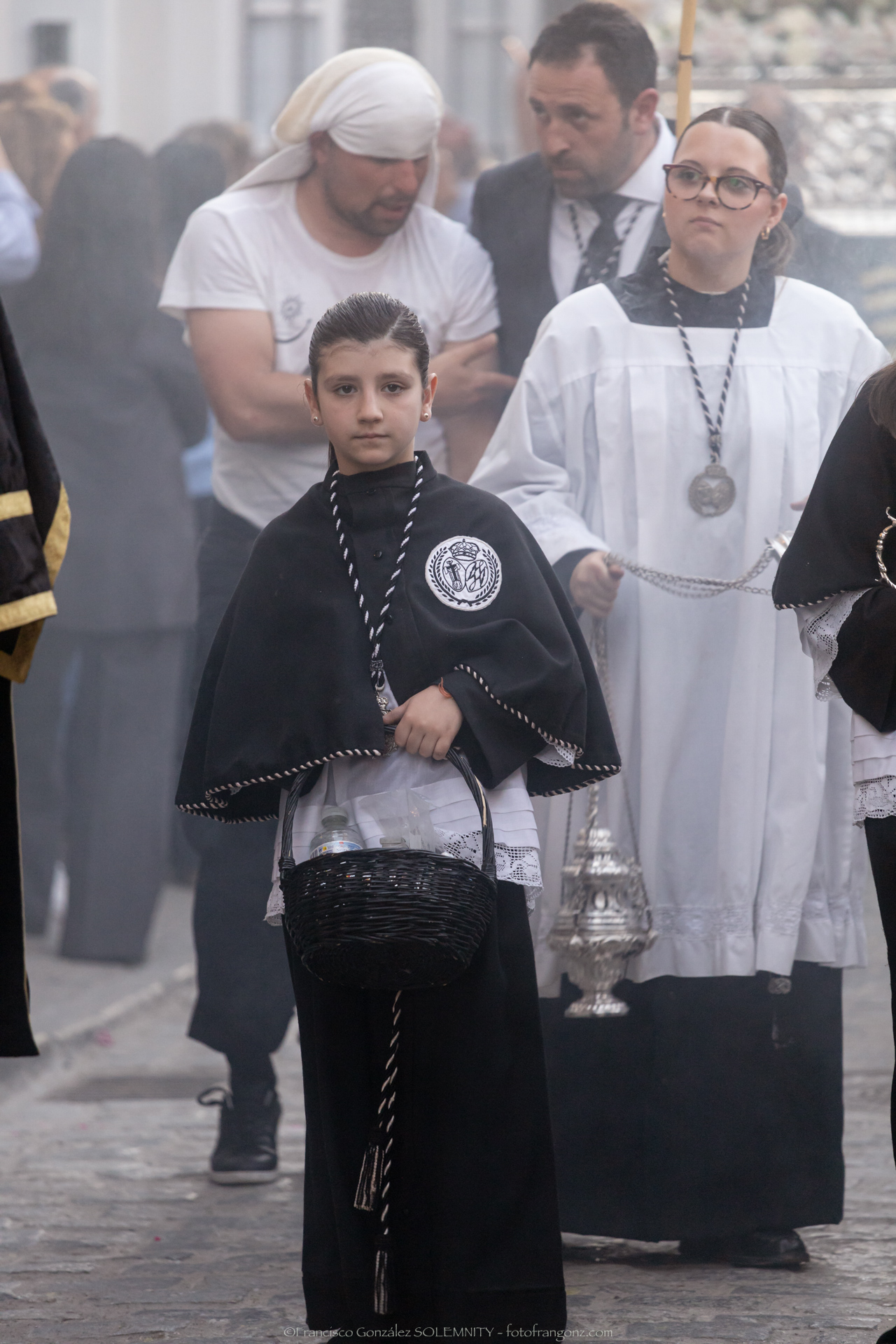
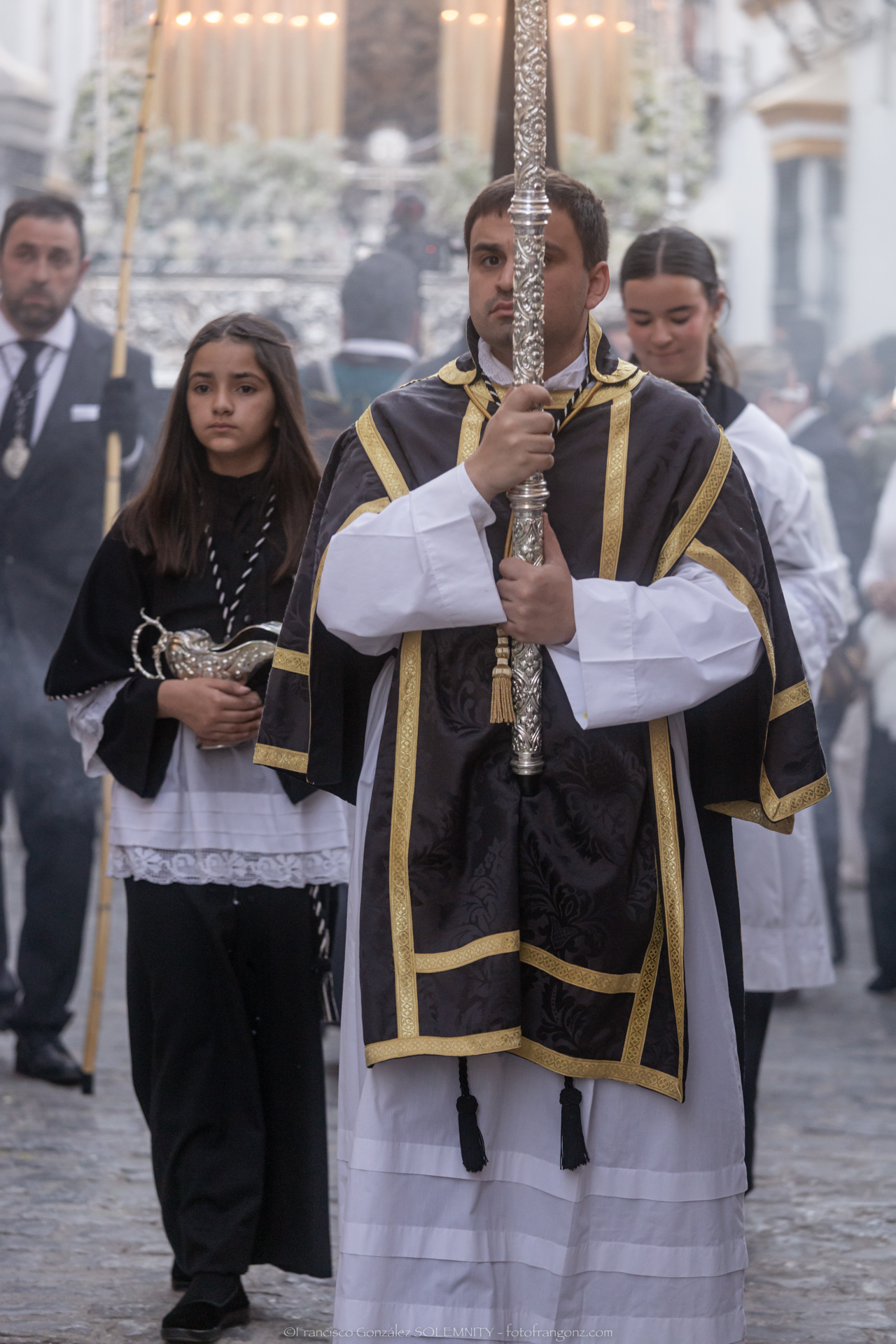
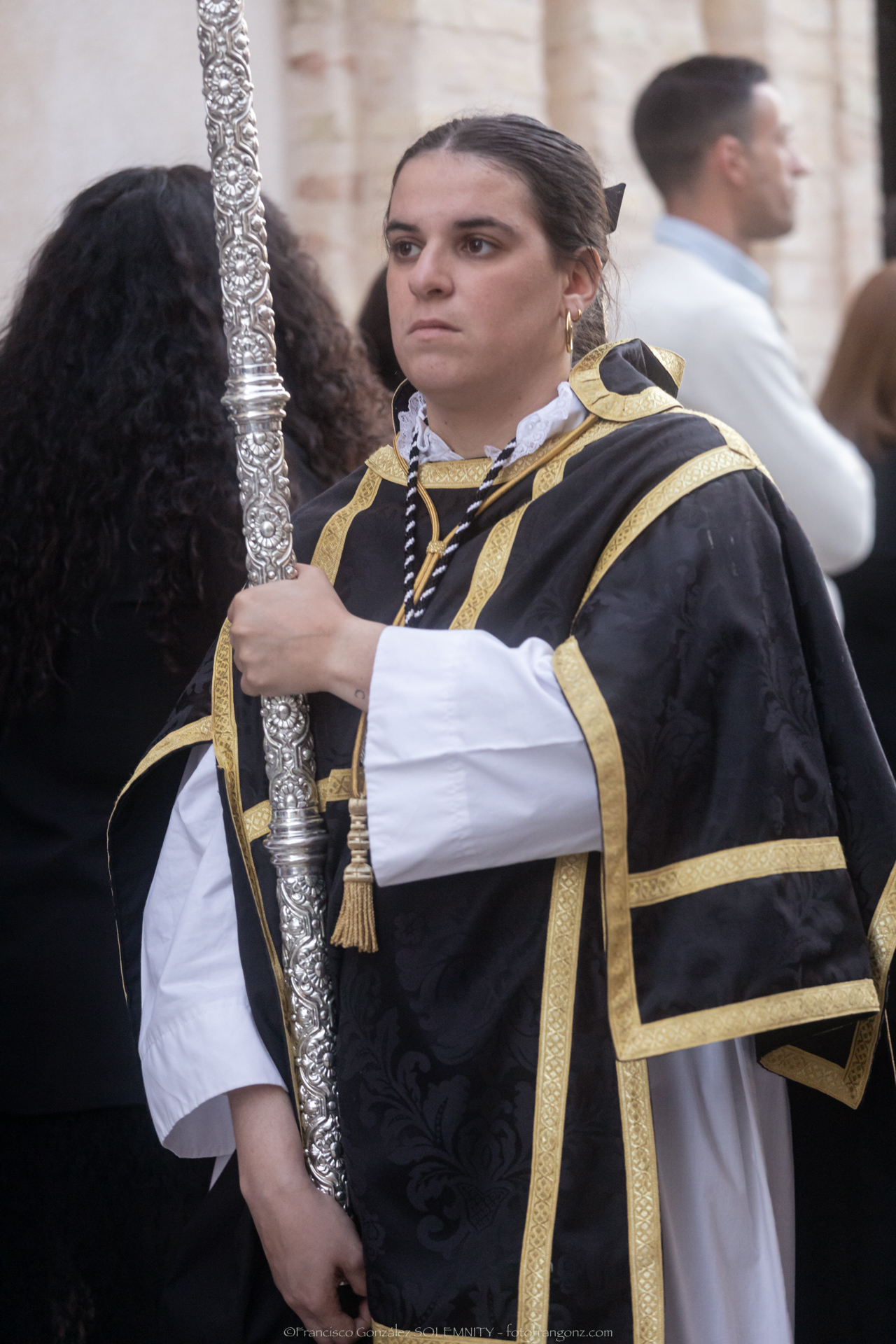
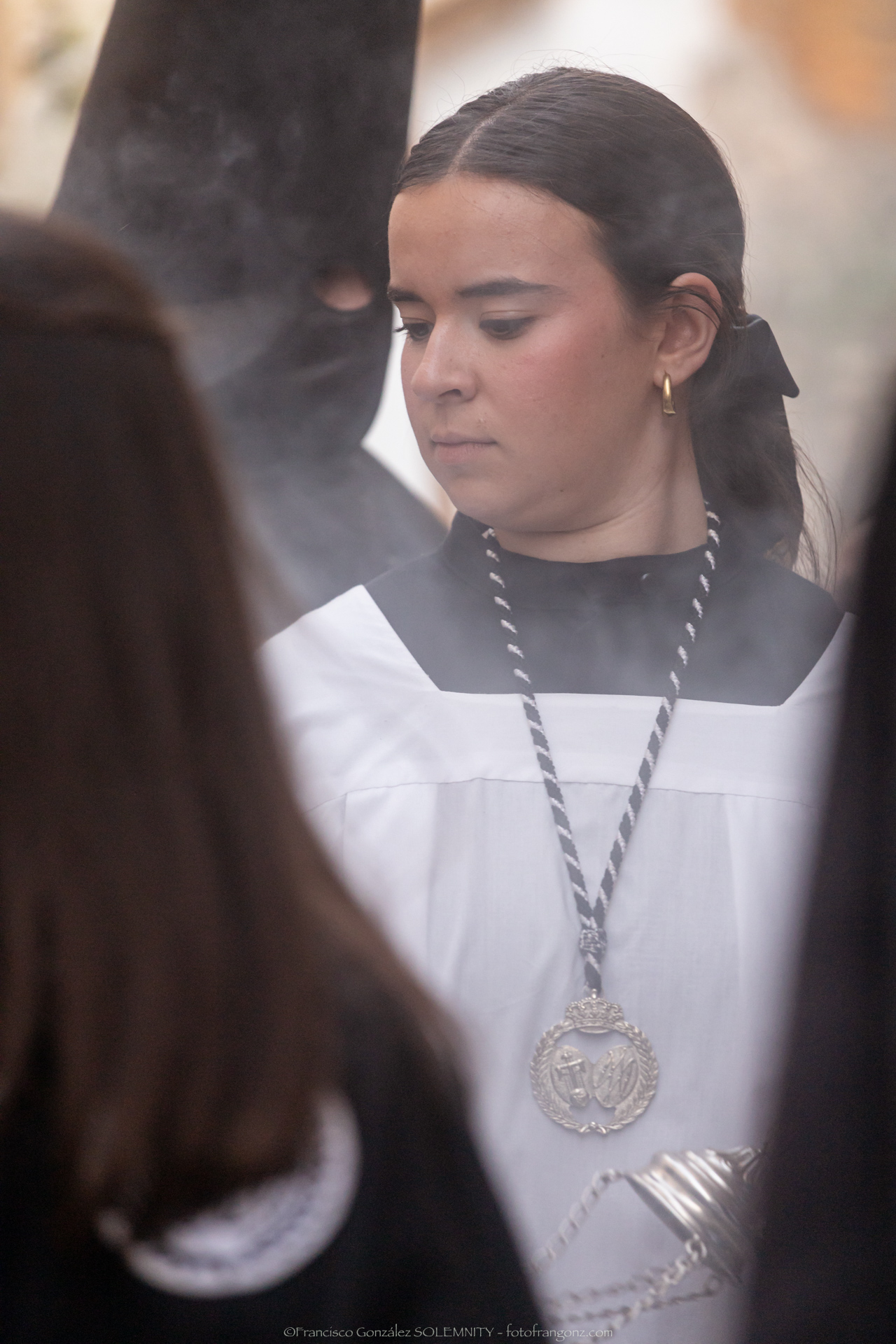
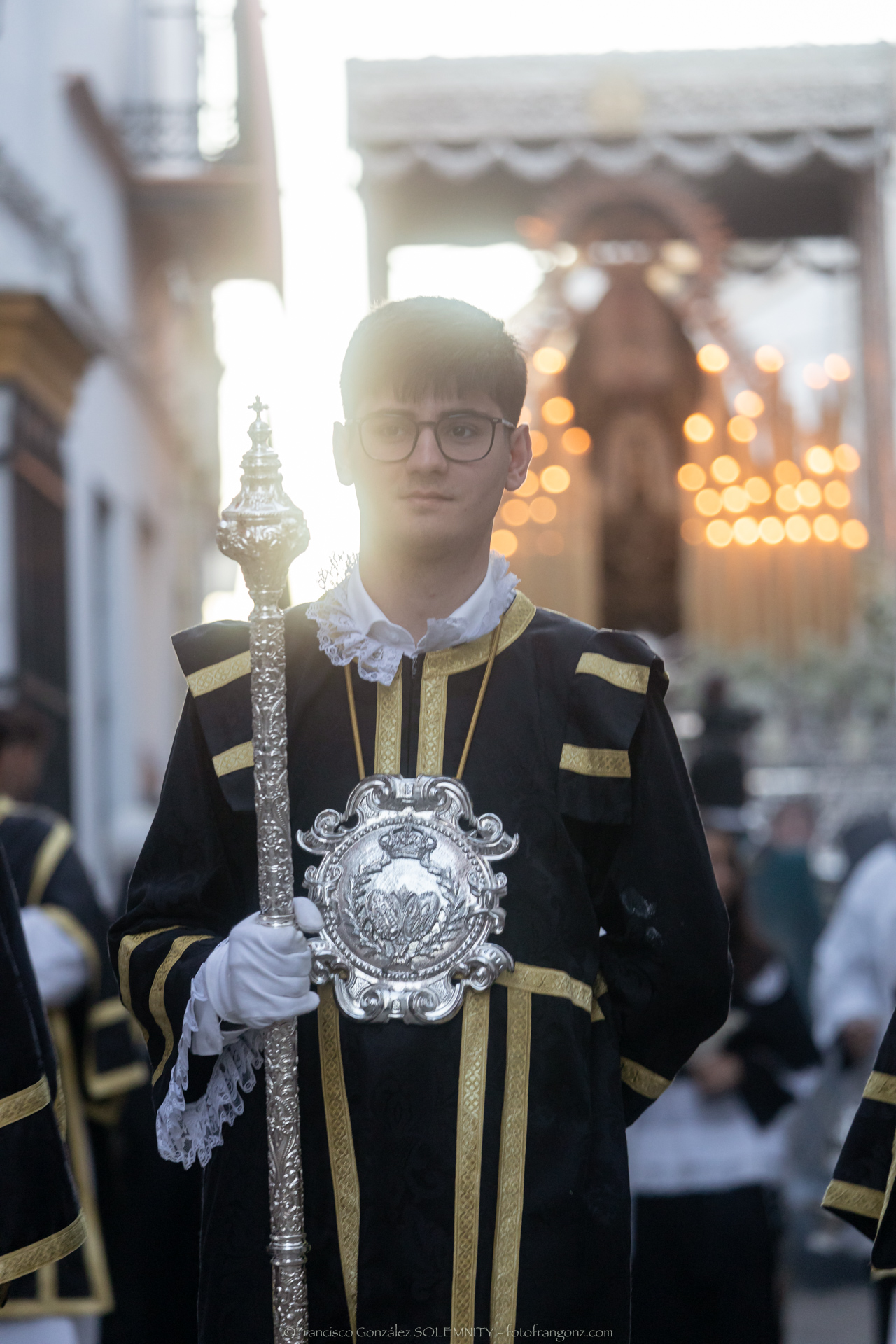
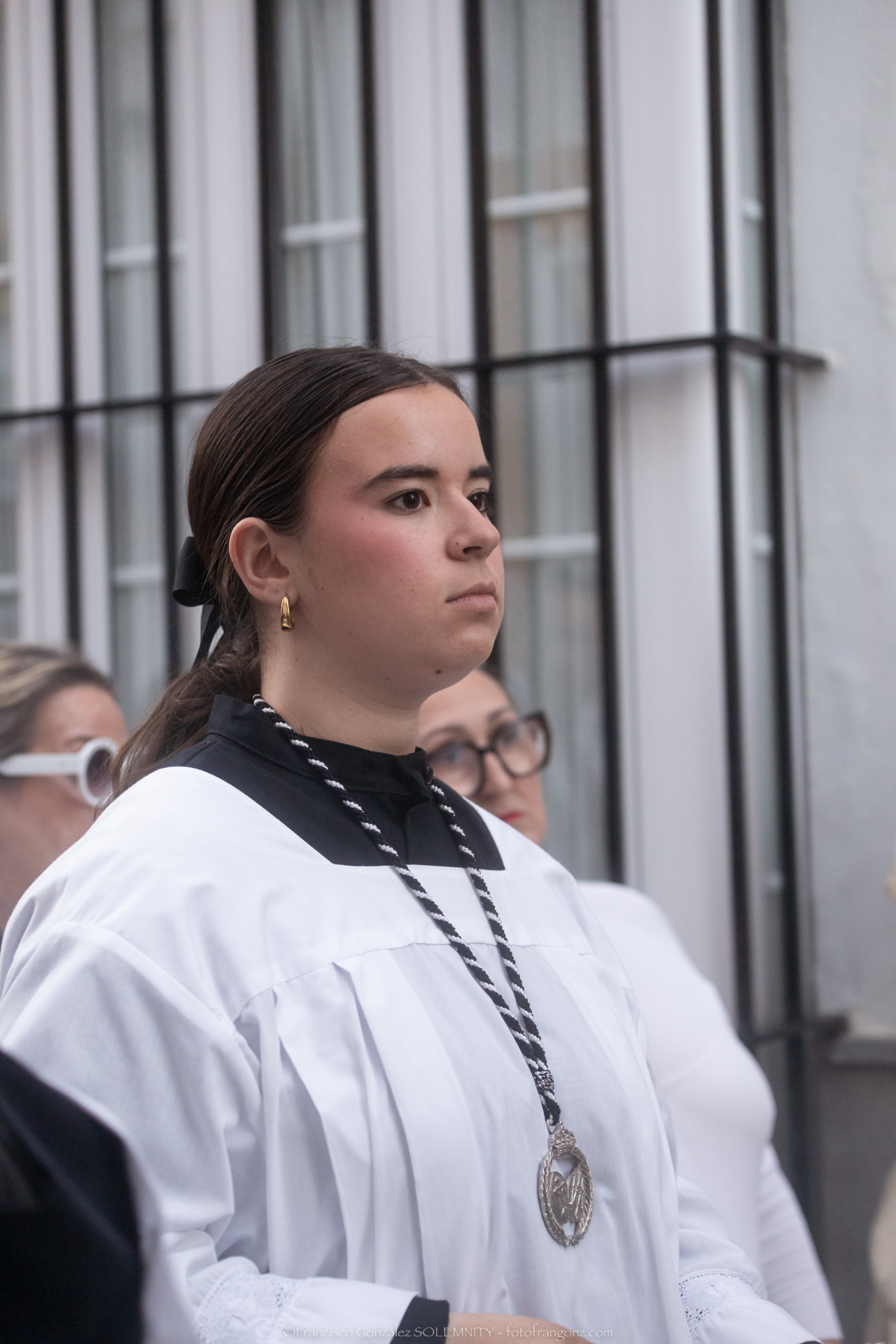
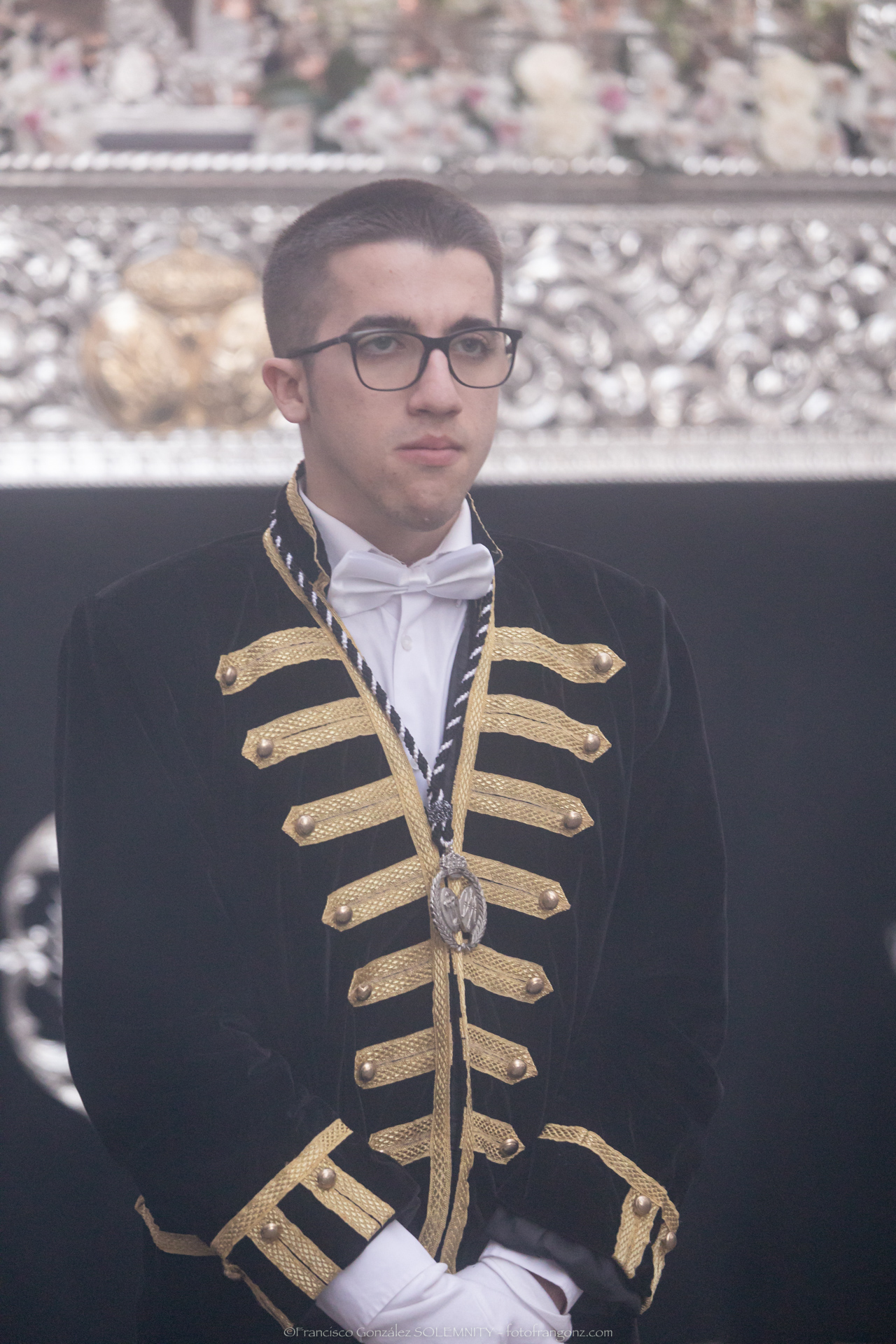
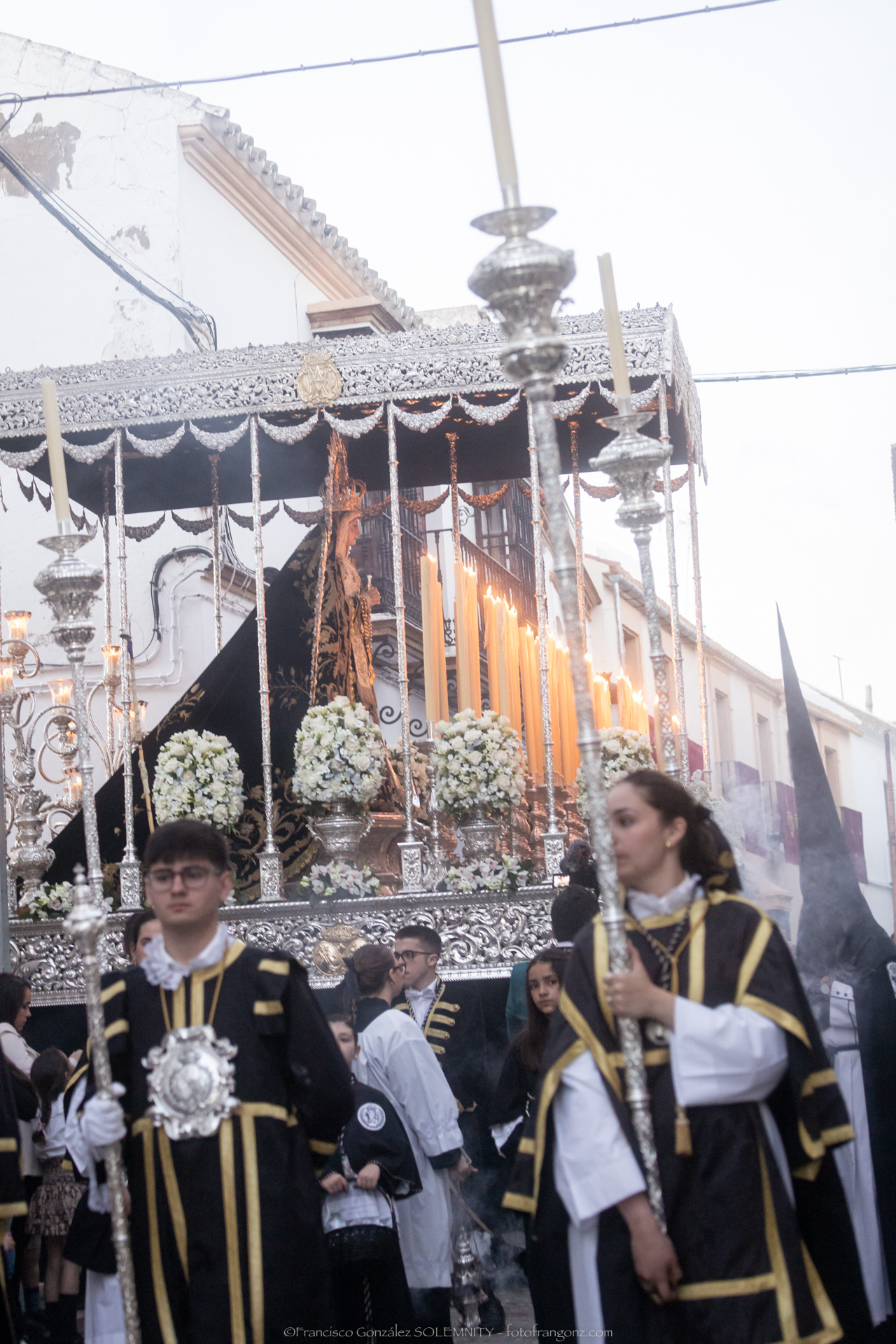
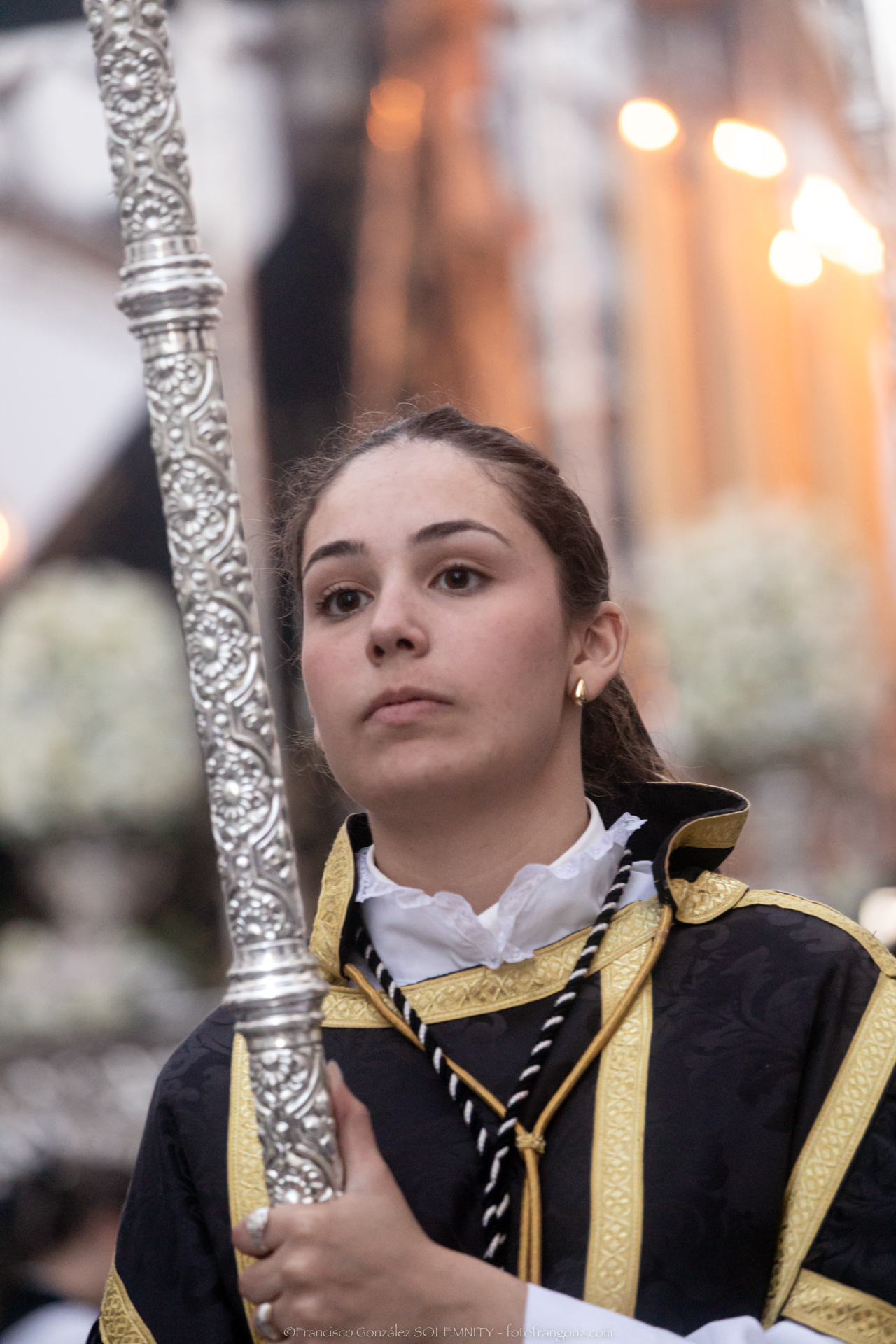
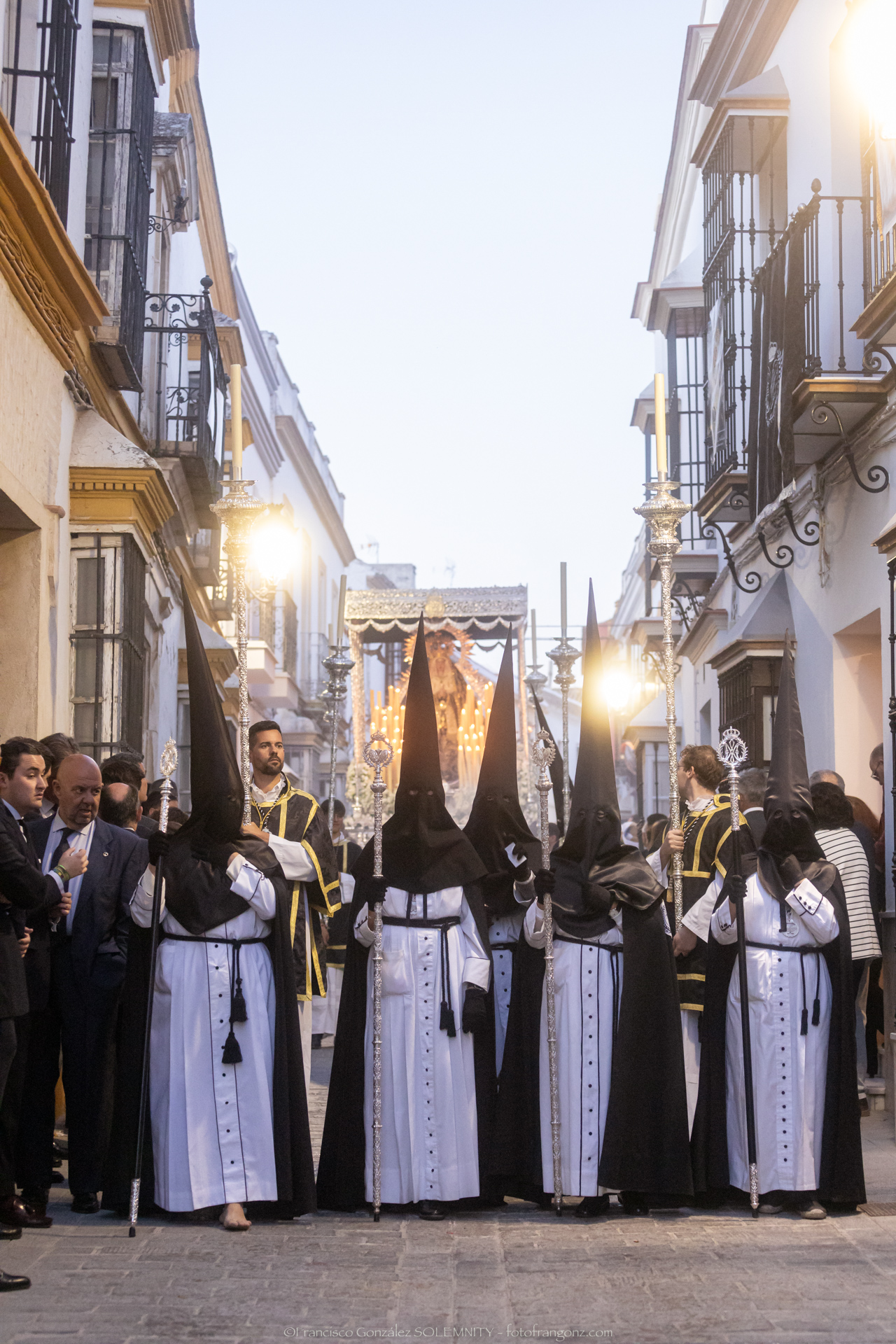
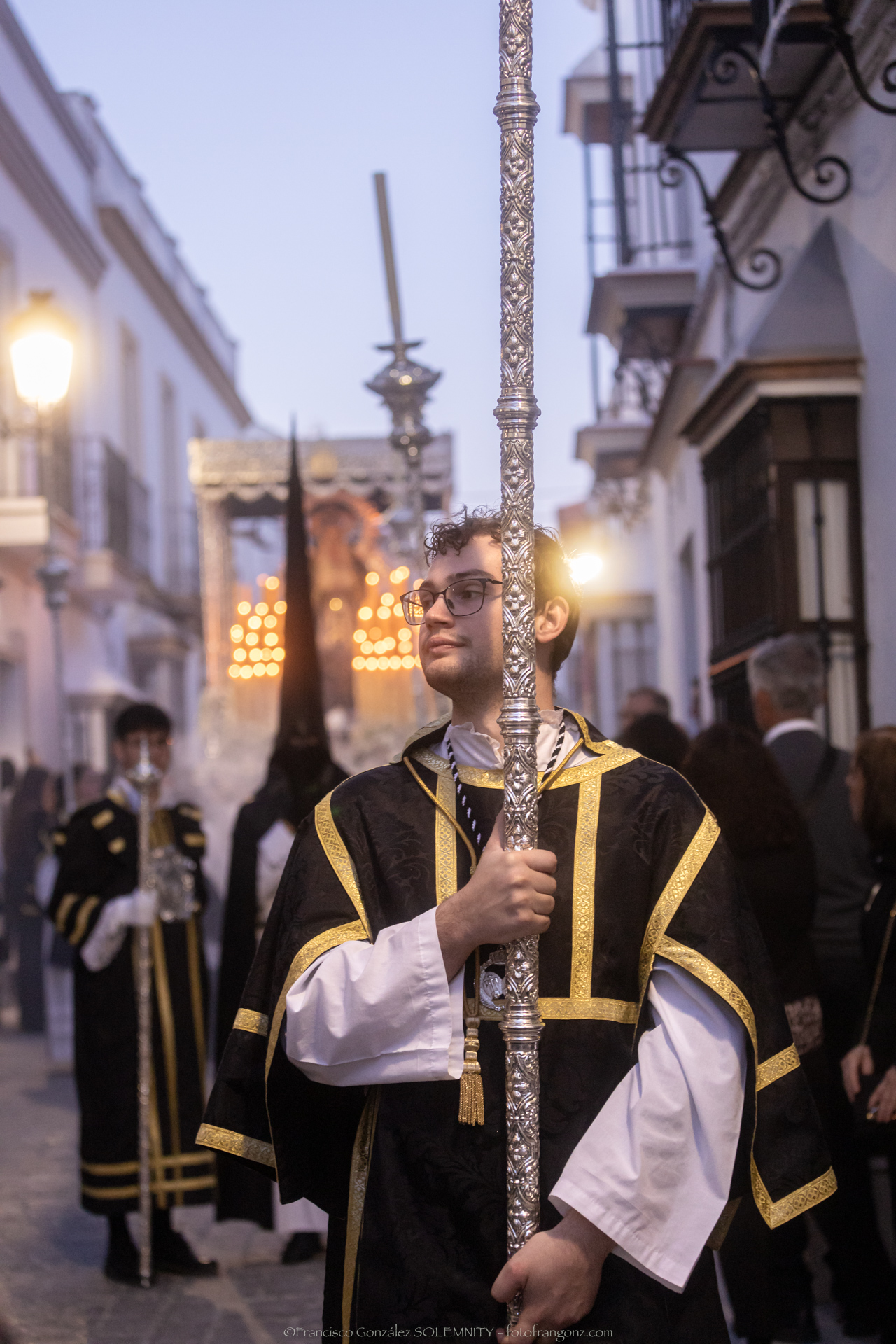
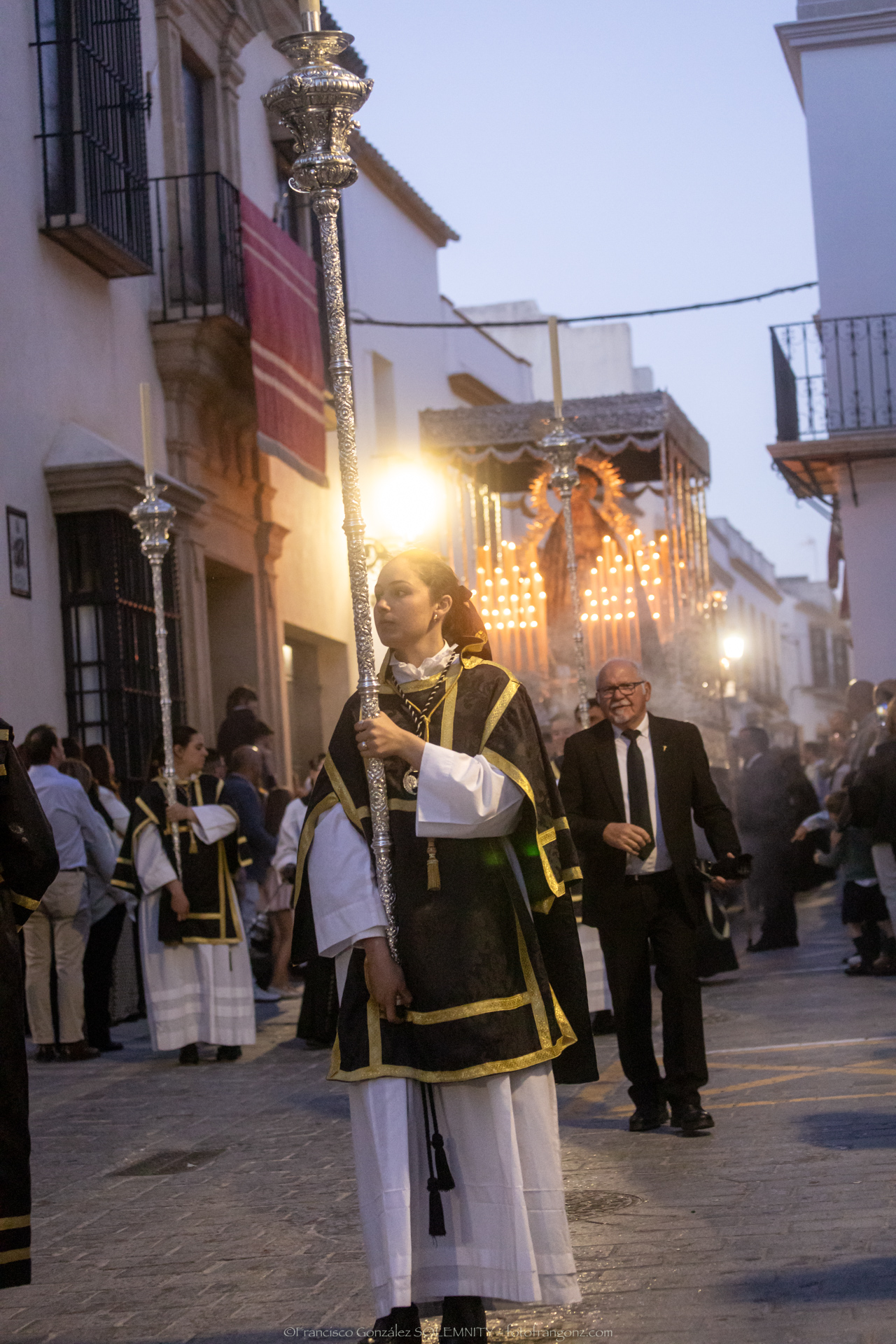
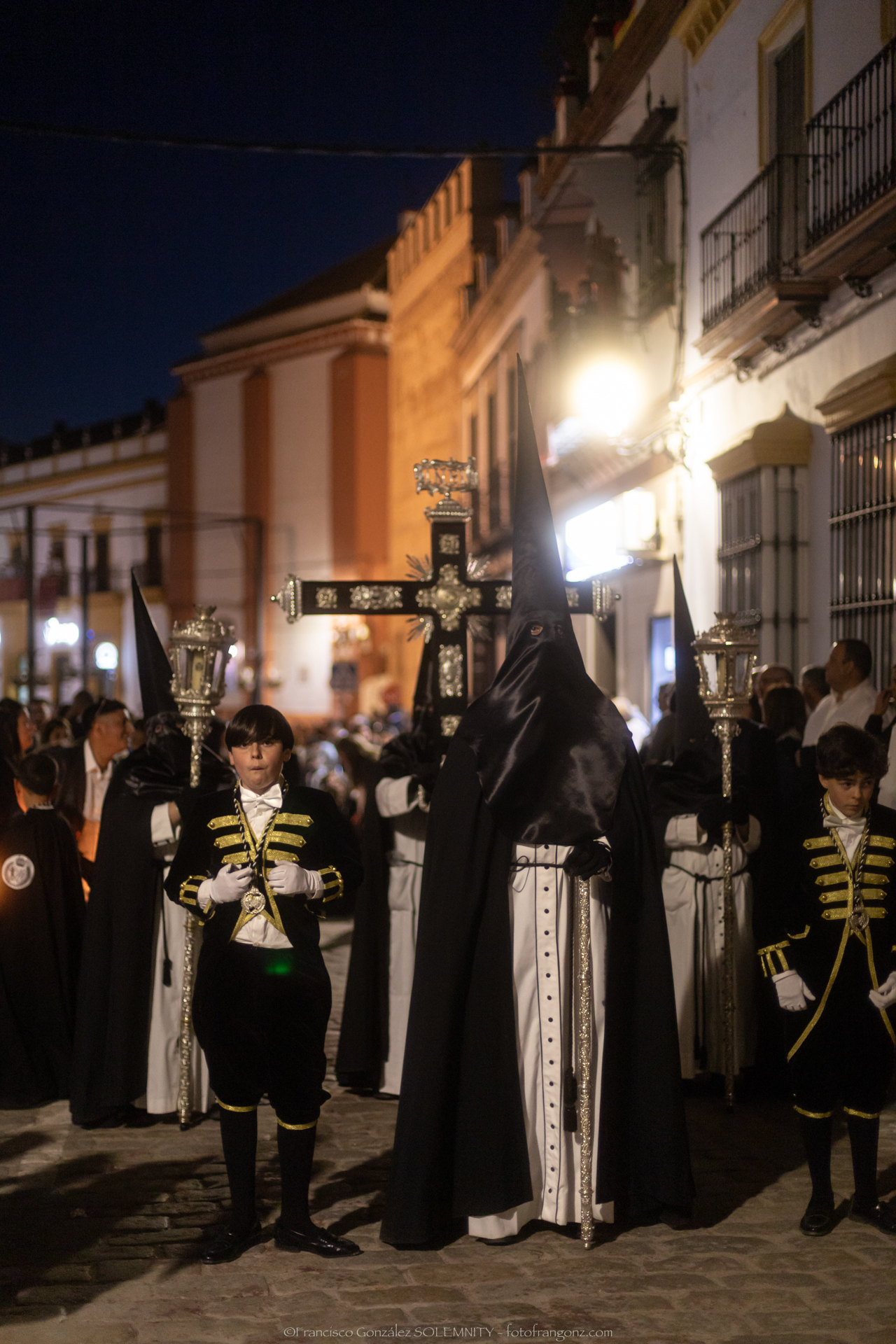
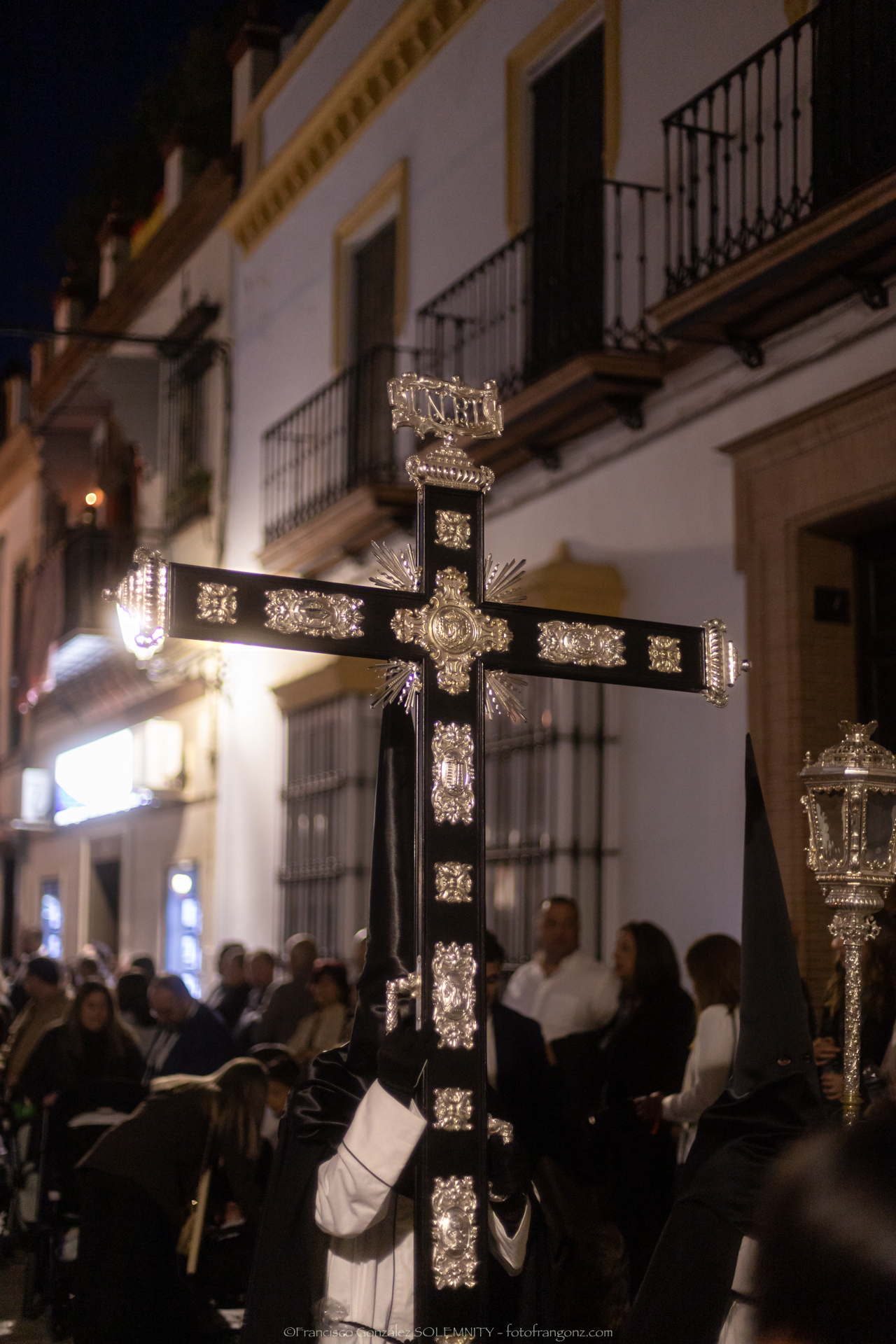
Departing from the Iglesia de Santa María de la Mota (where the brotherhood was founded in 1567) at half past six in the evening, the Cruz de Guía leads a procession of around 1,170 people, including nazarenes, marshals, standard-bearers, allegorical figures (Faith, the Three Marys, and Veronica), representatives of brotherhoods and civil, military, and ecclesiastical bodies, acolyte and thurifer corps, foremen, costaleros, and musicians.
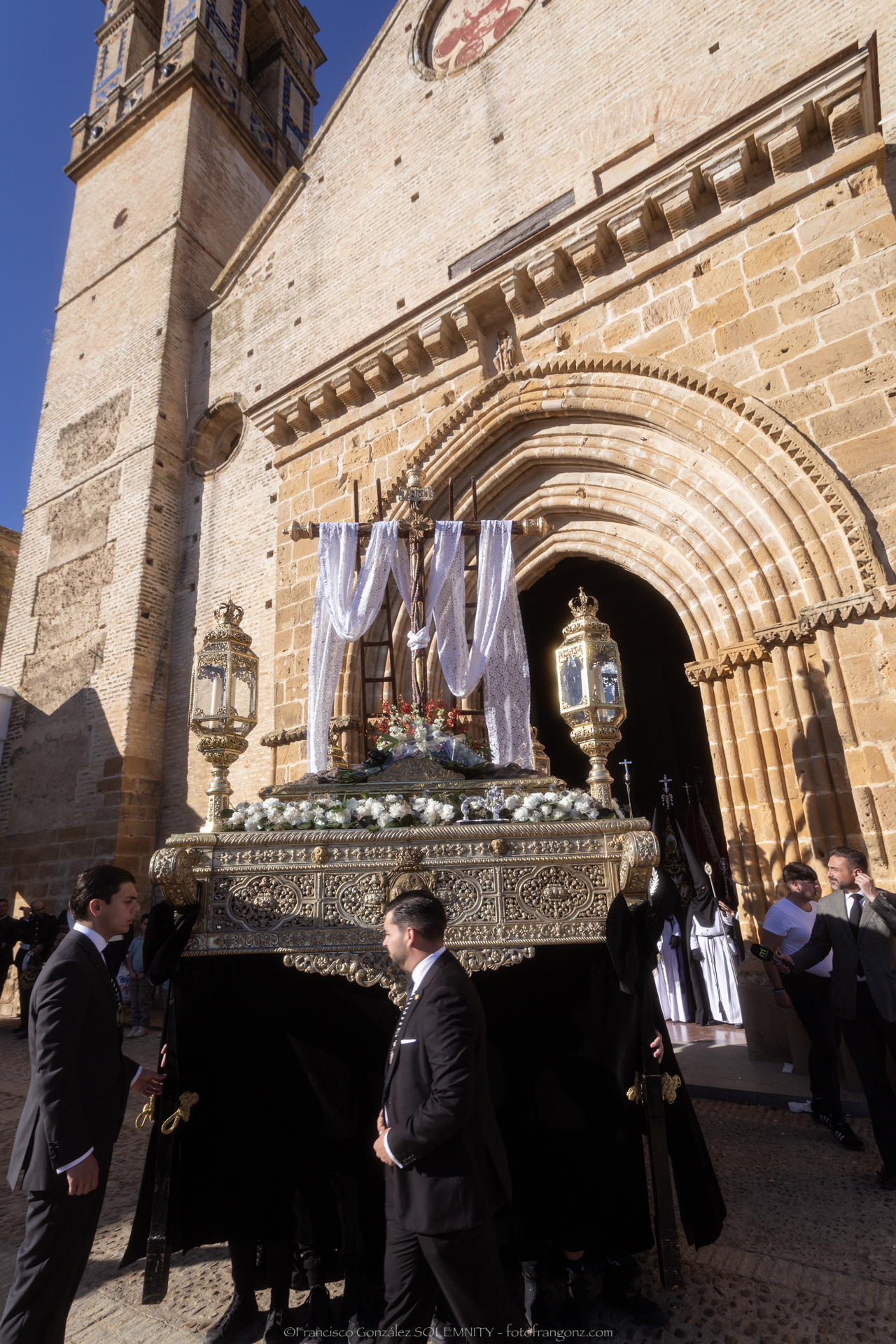
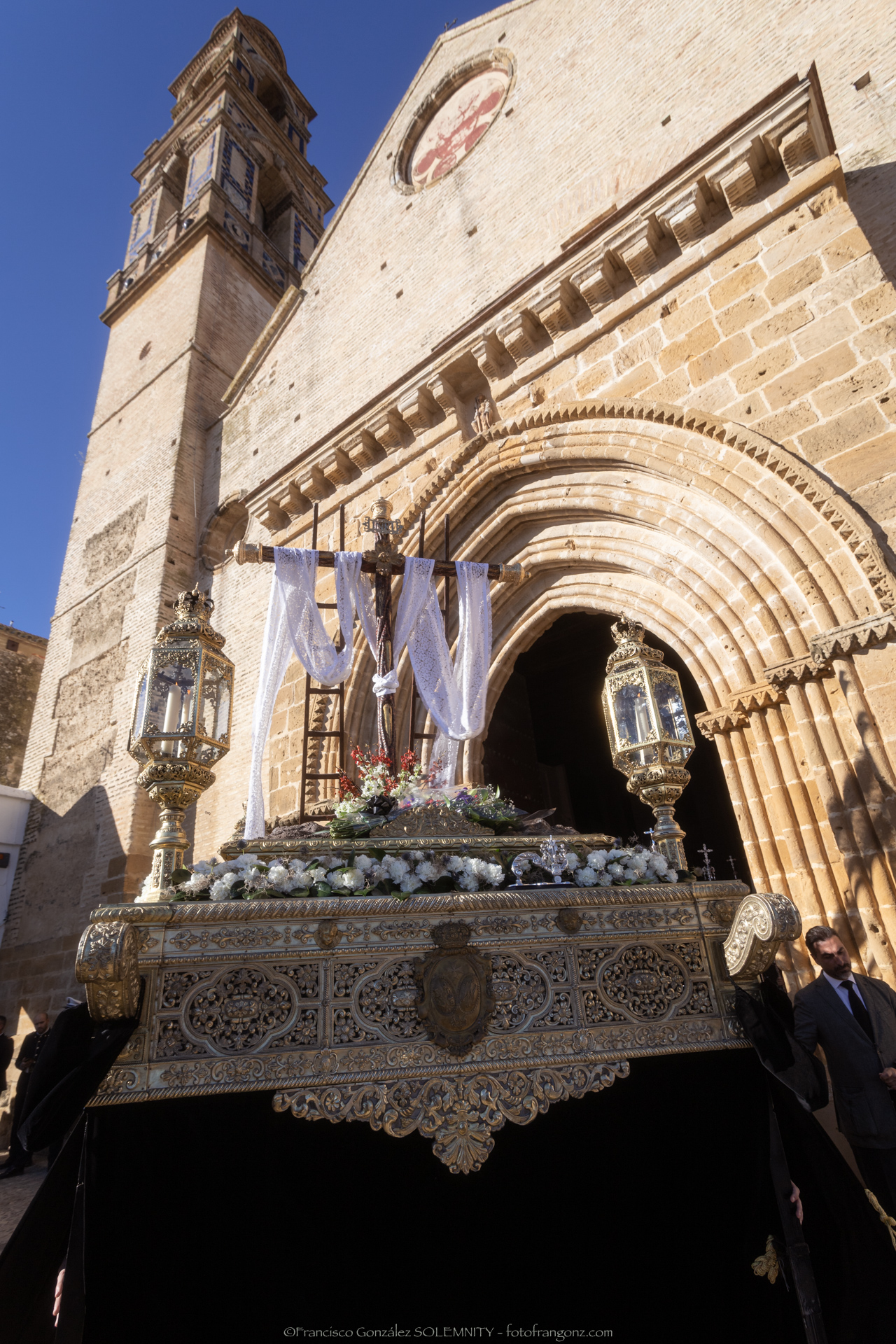
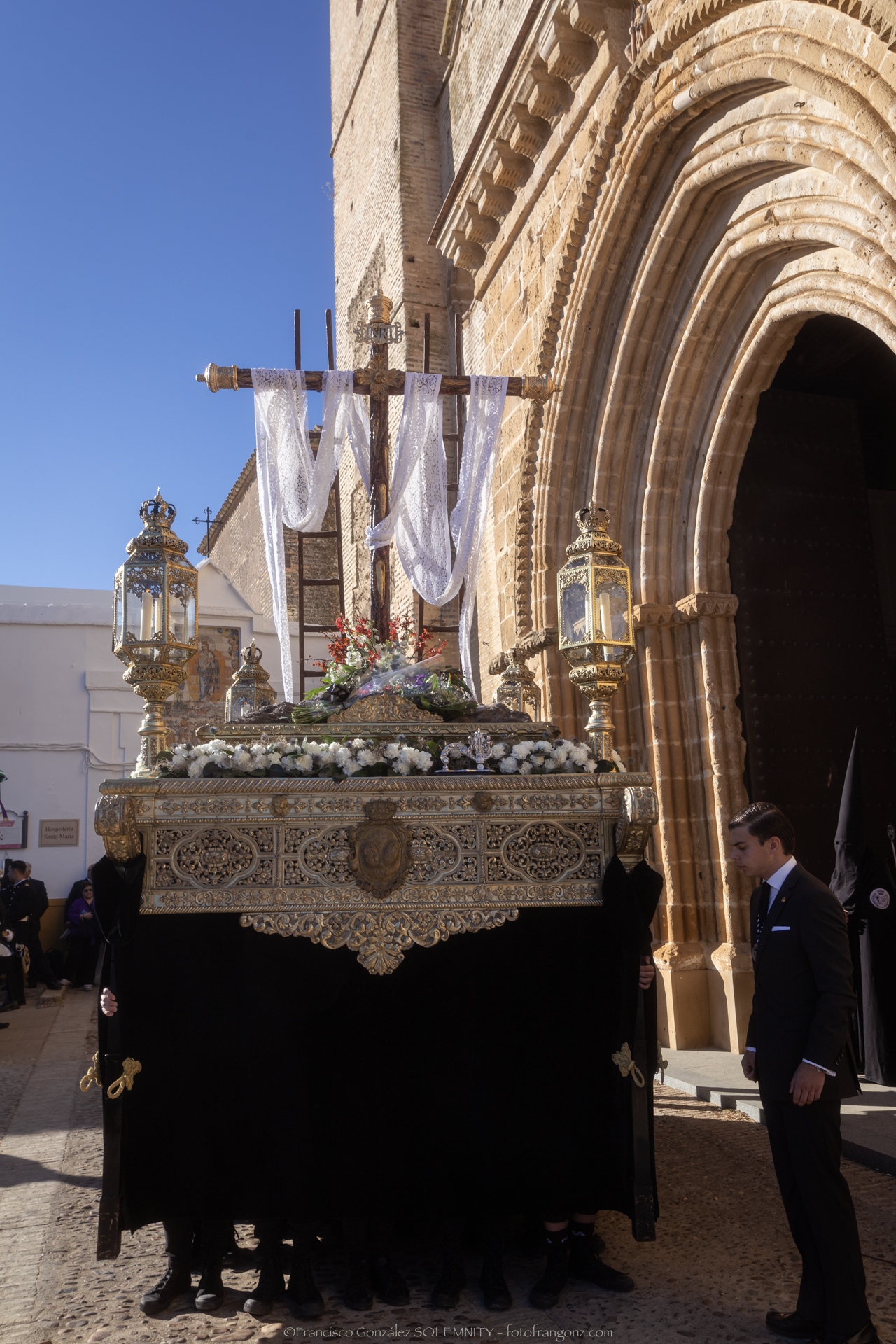
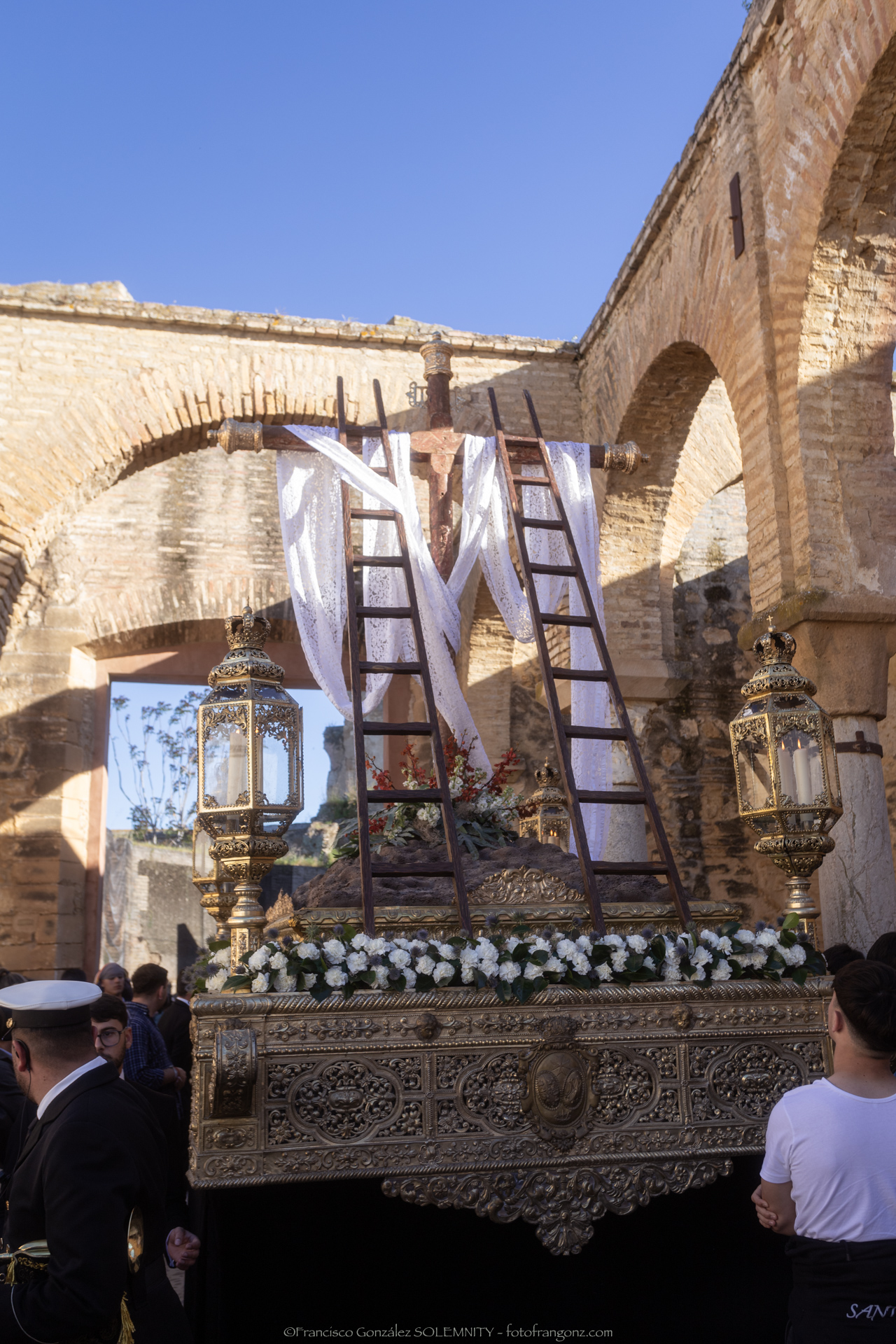
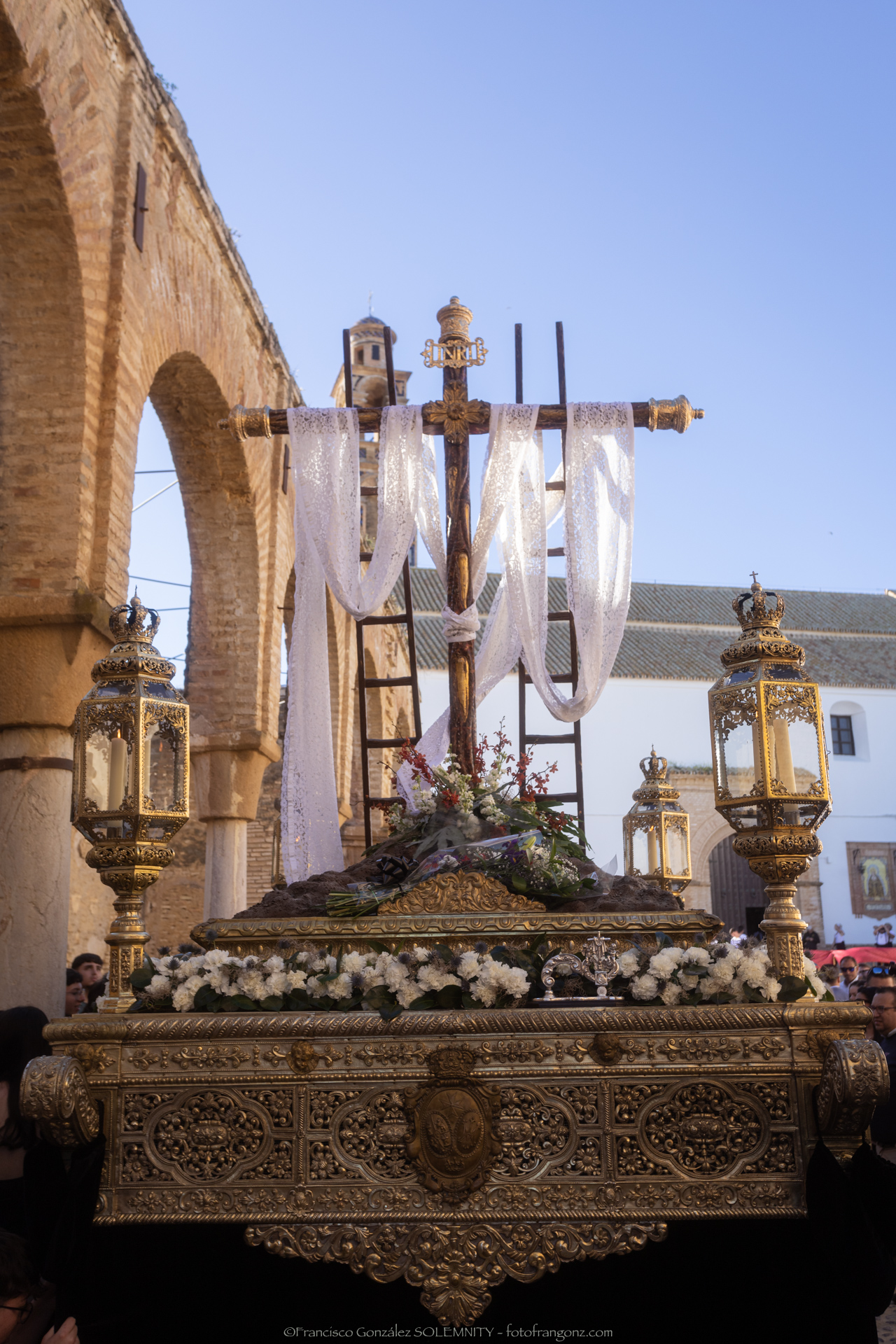
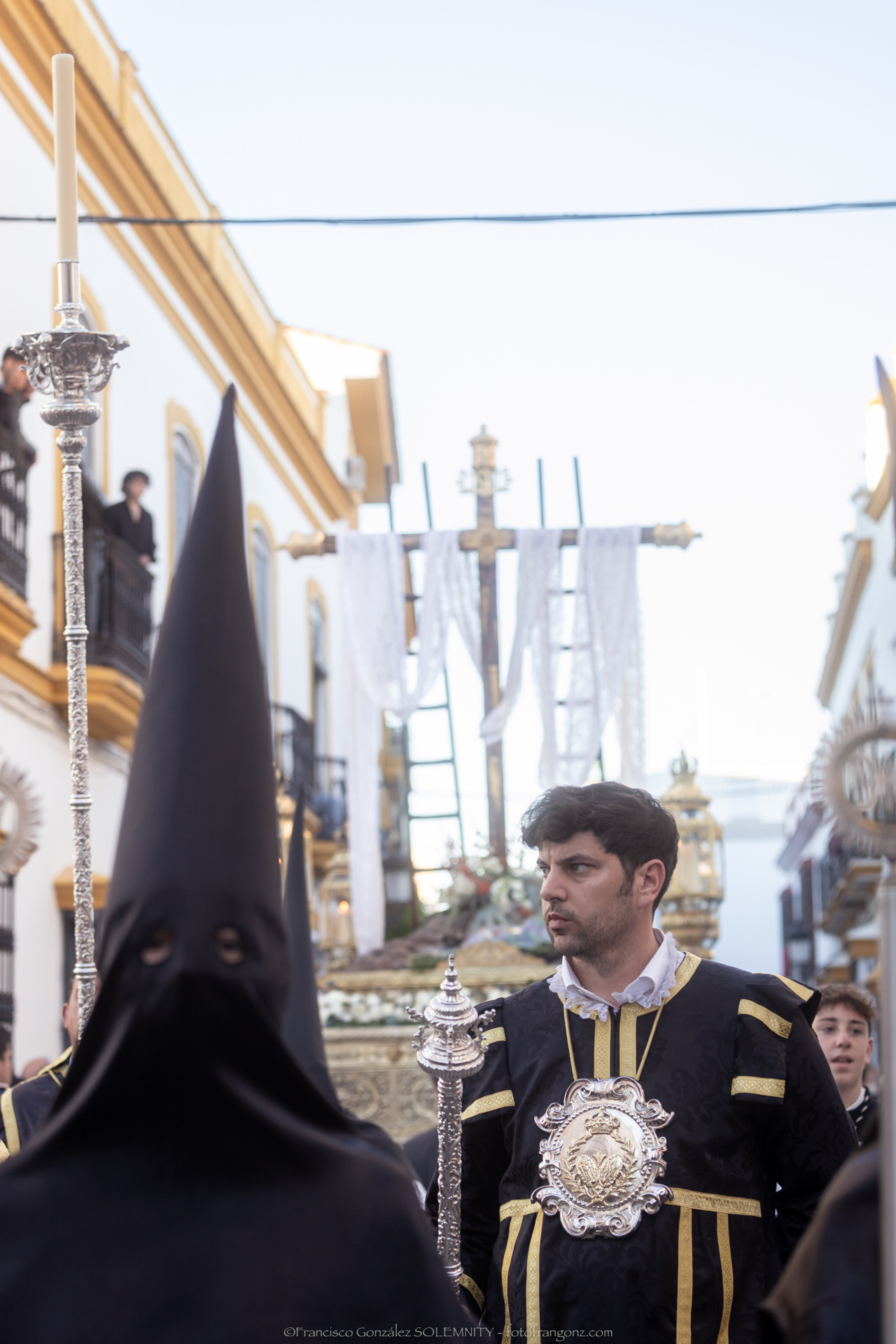
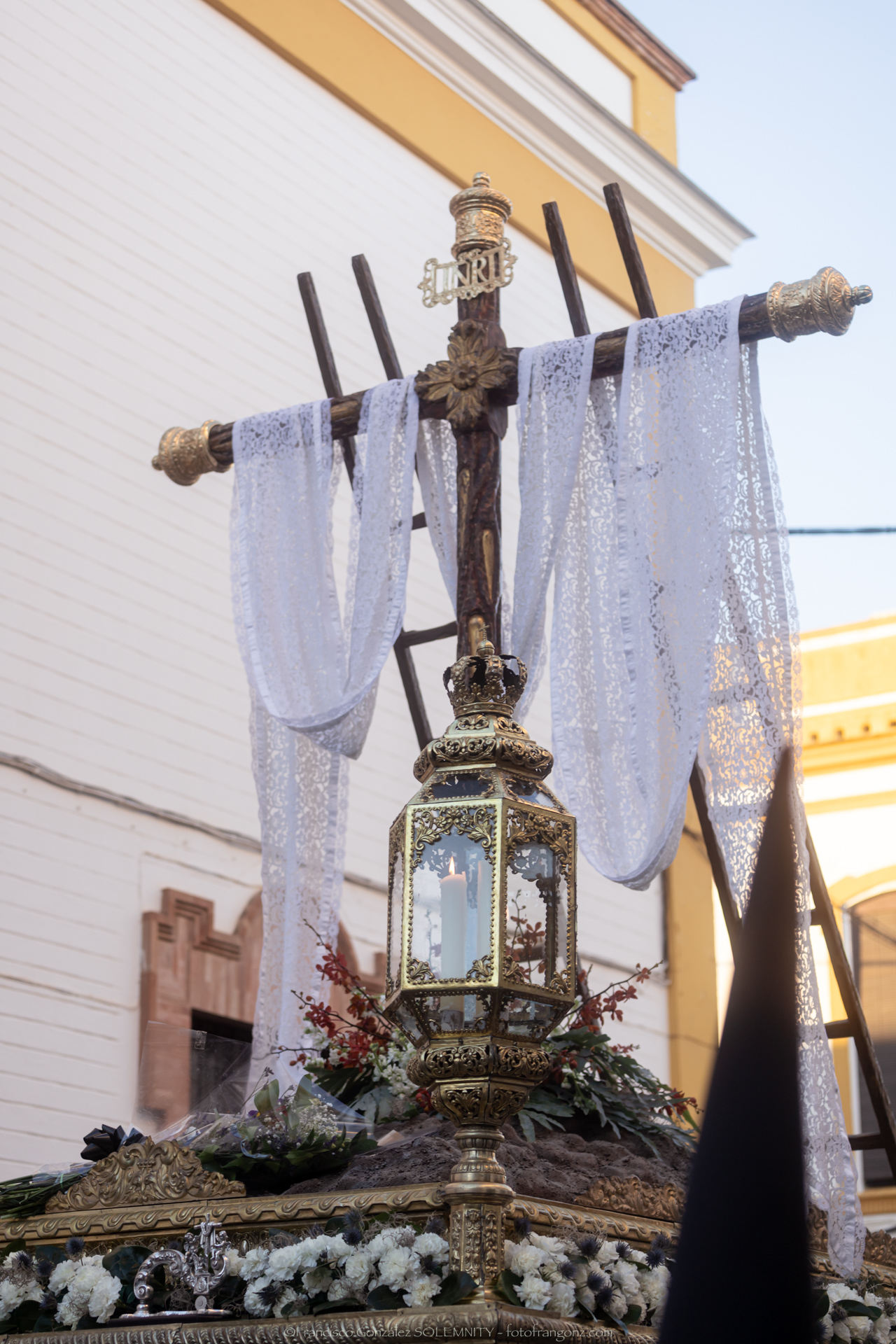
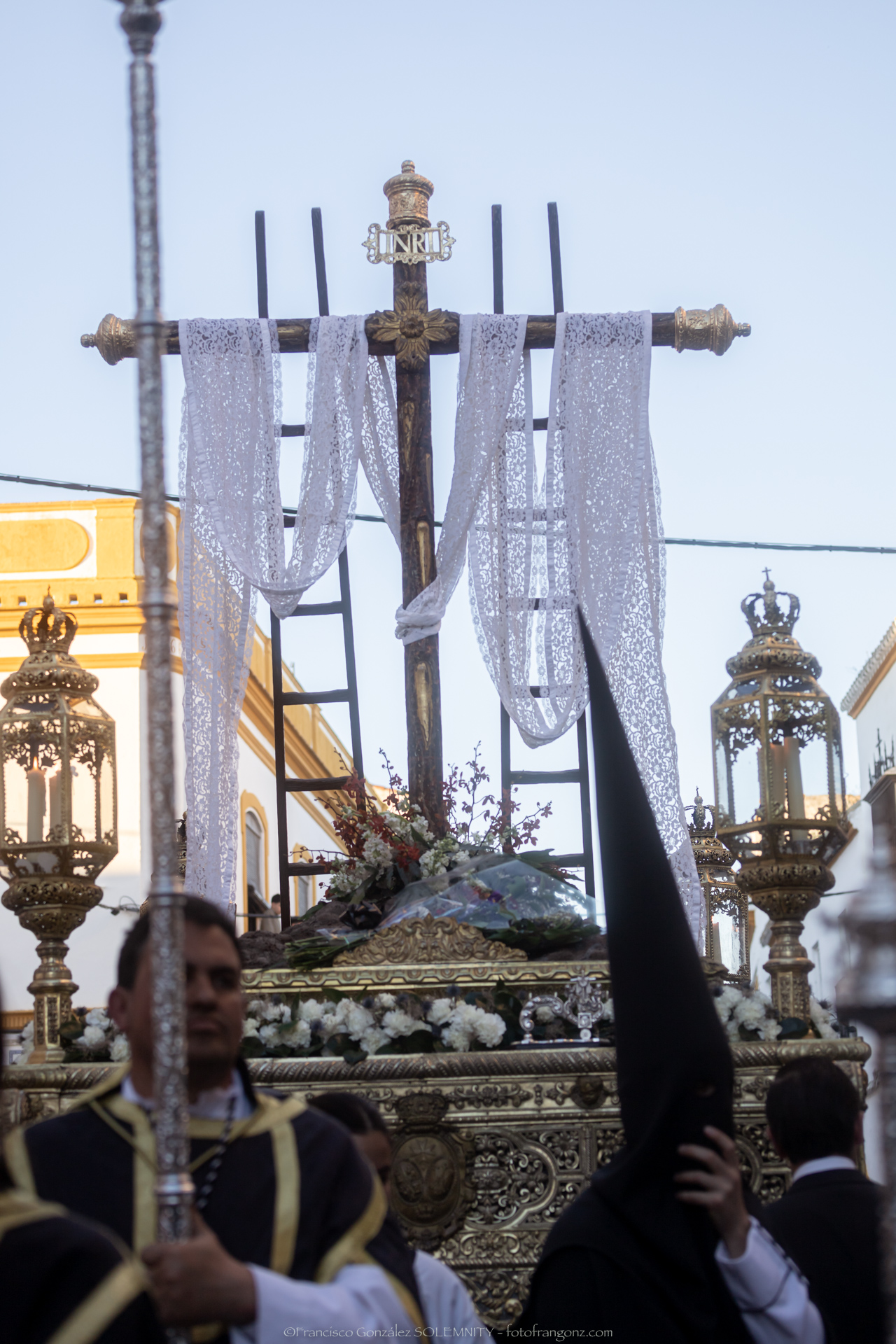
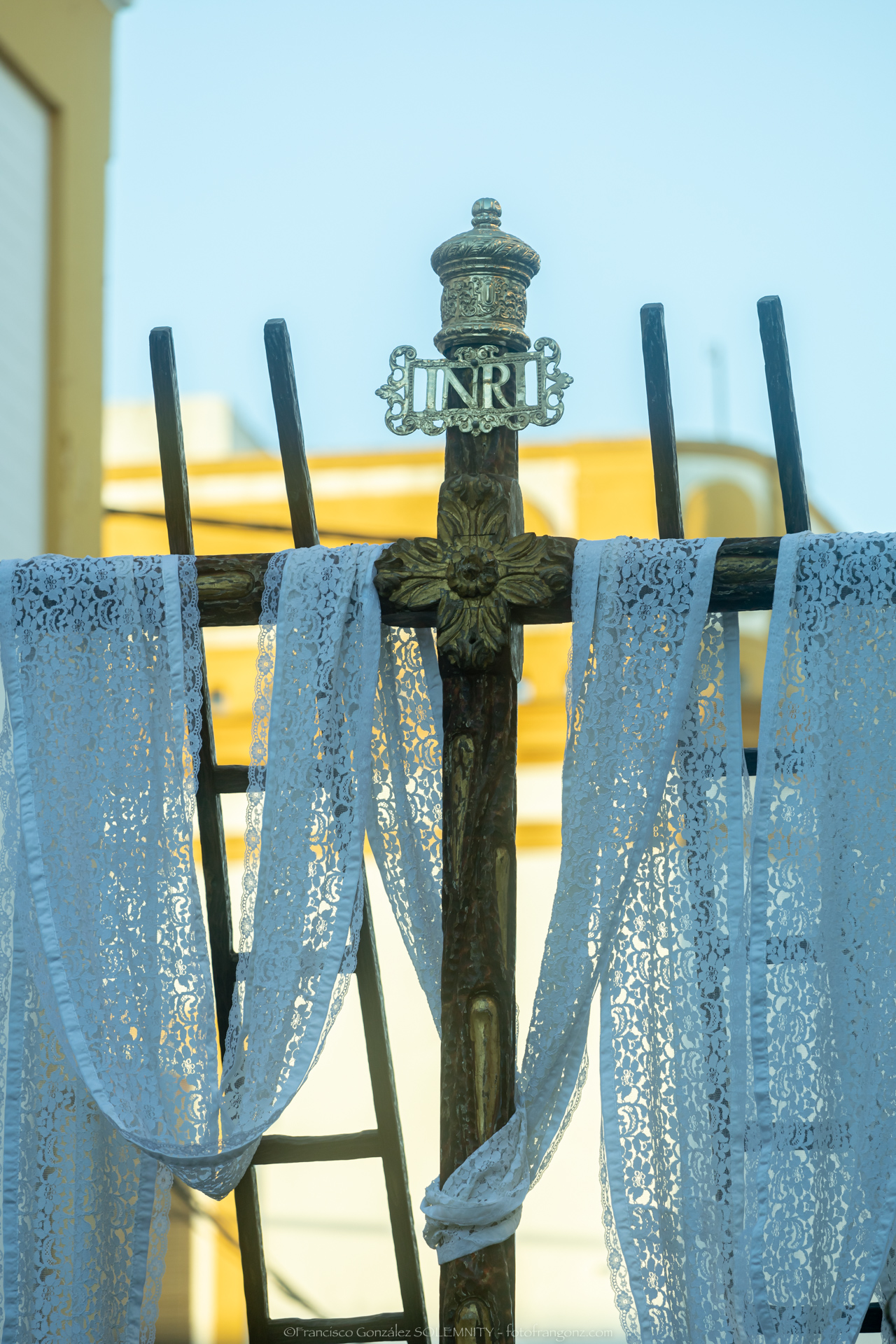
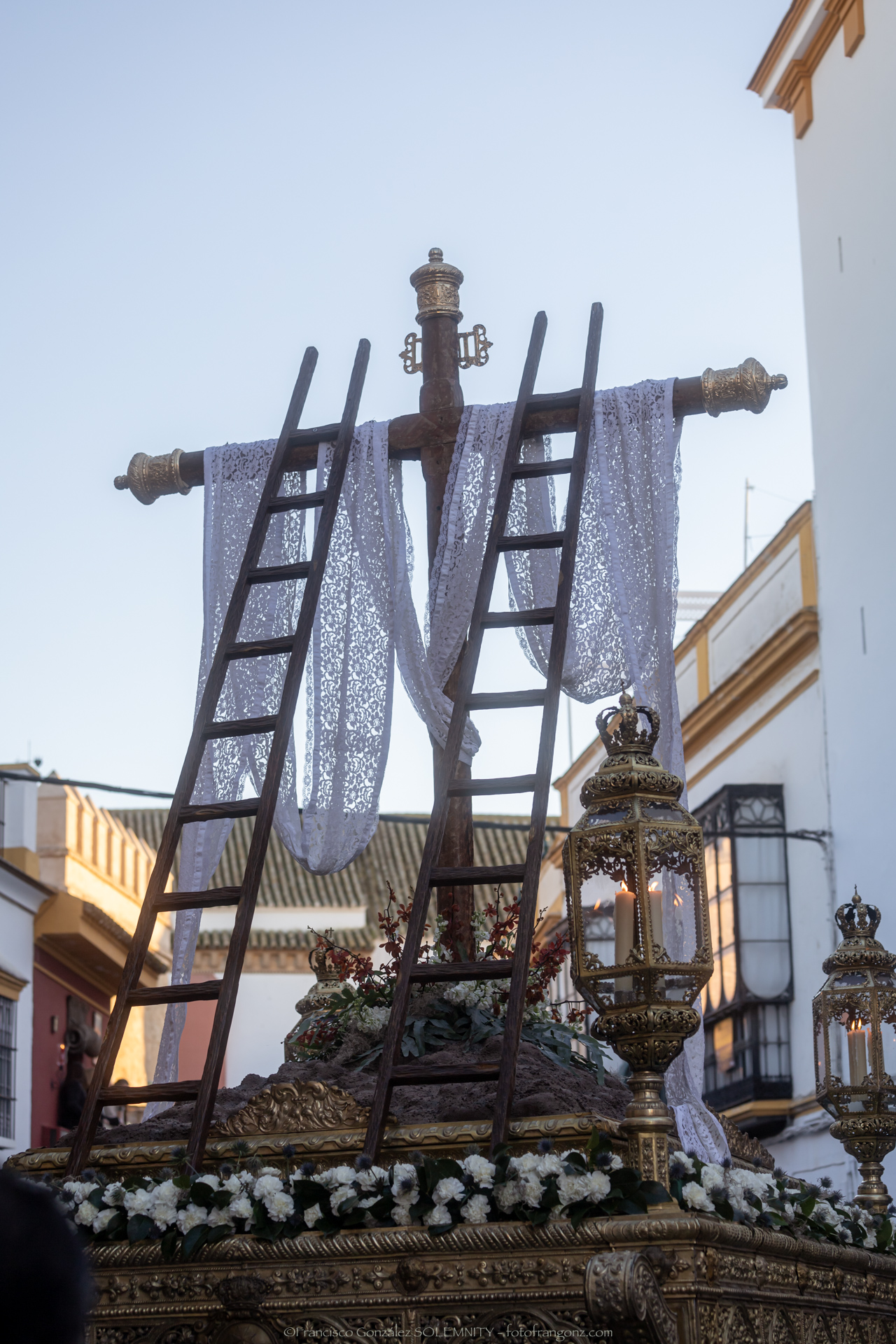
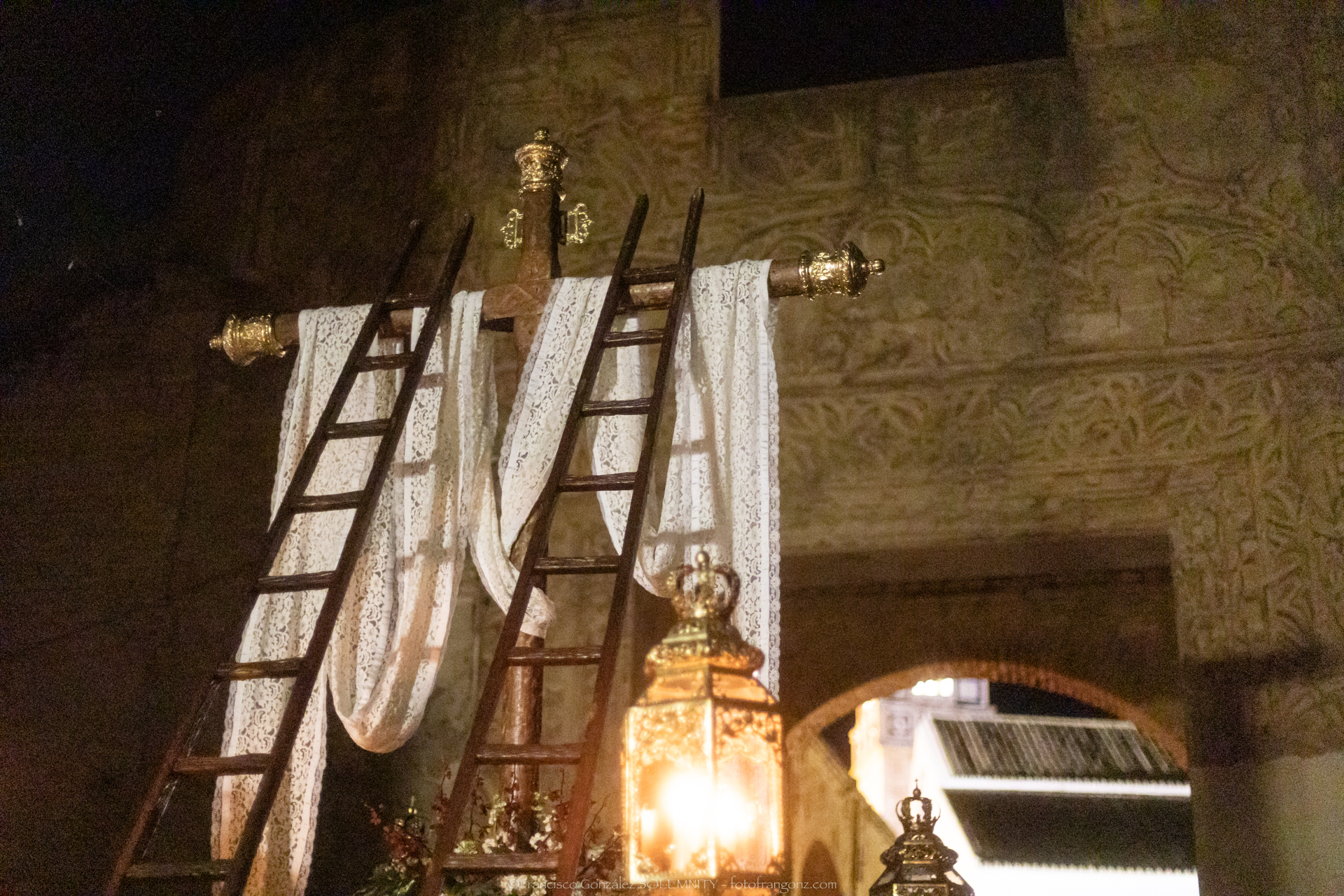
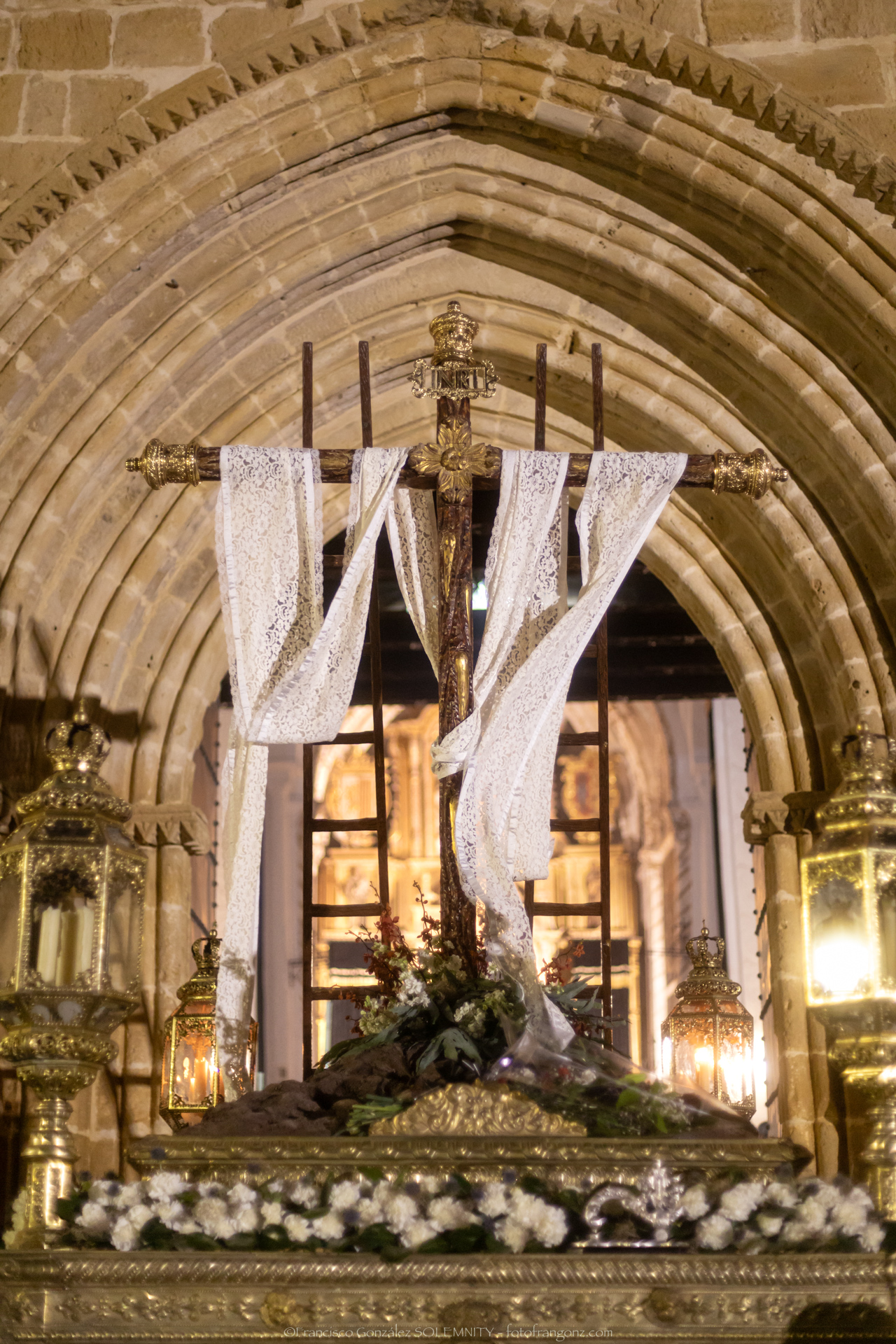
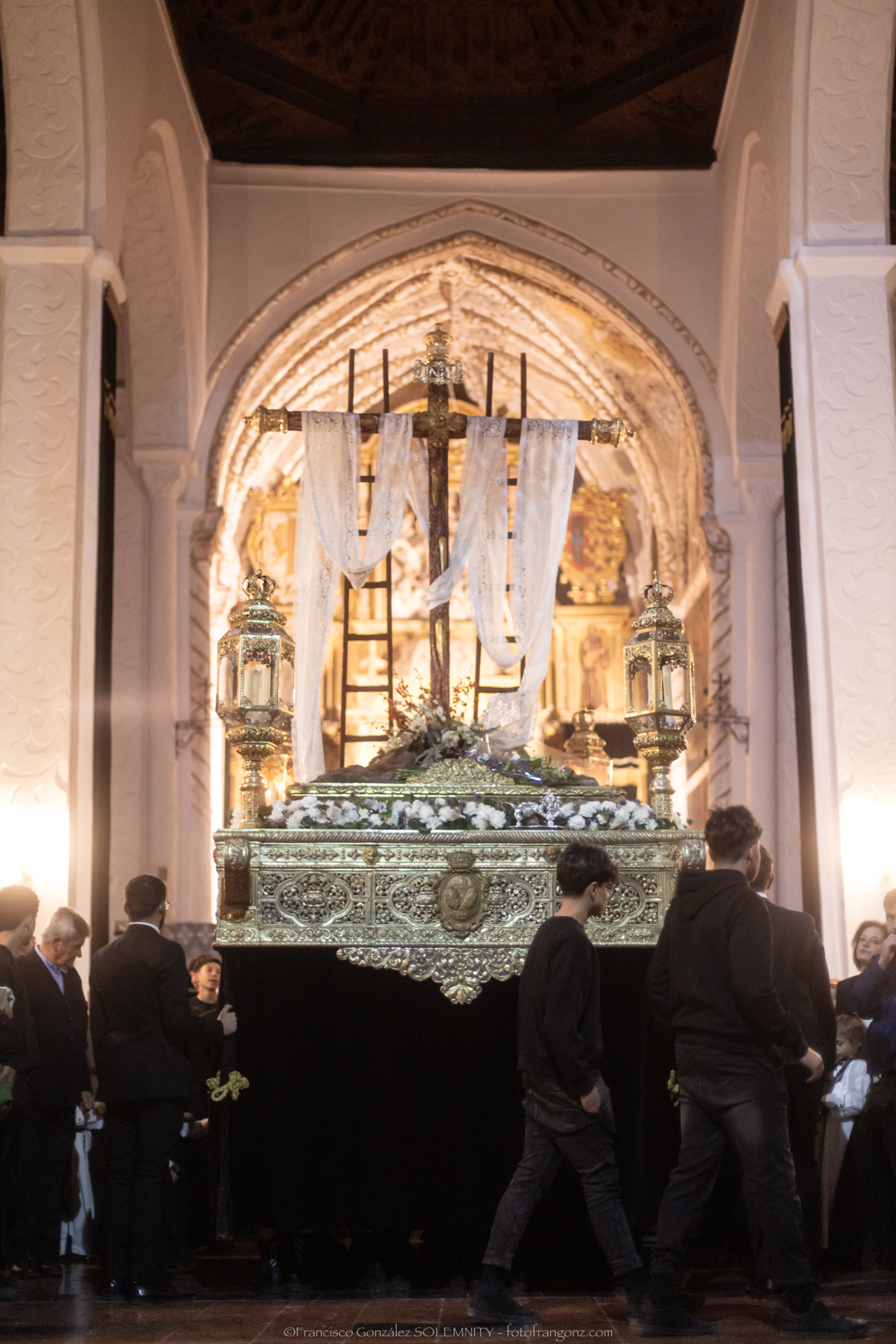
The Triunfo de la Santa Cruz is the first of the three floats that make up the procession. Commonly known as “La Escalerilla,” it is an allegorical float representing the victory of the Cross over death. It is a “training” float, where members of the youth group learn and gain experience for their future within the brotherhood. Originally, it was an independent brotherhood that merged with the Santo Entierro brotherhood in 1828.
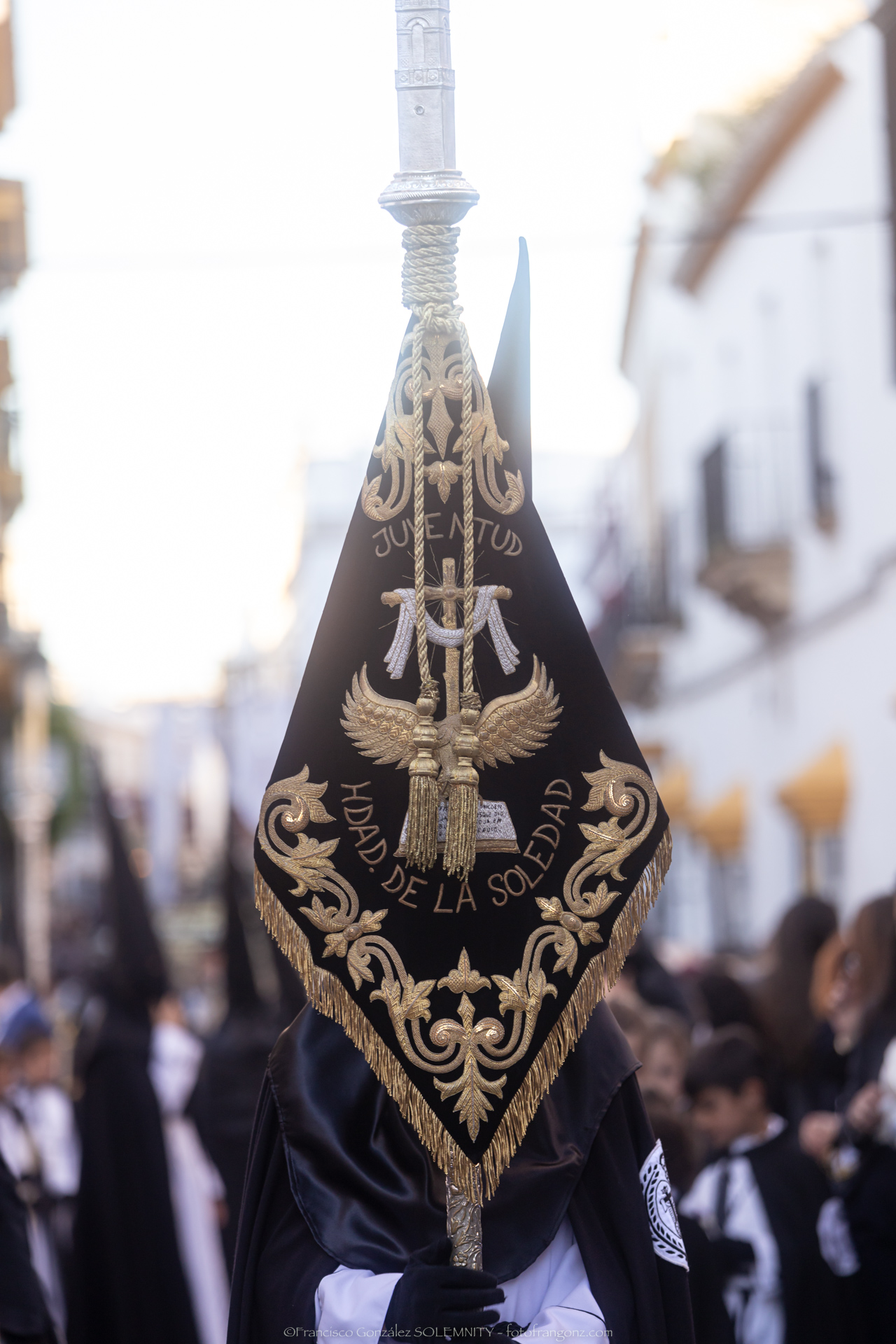
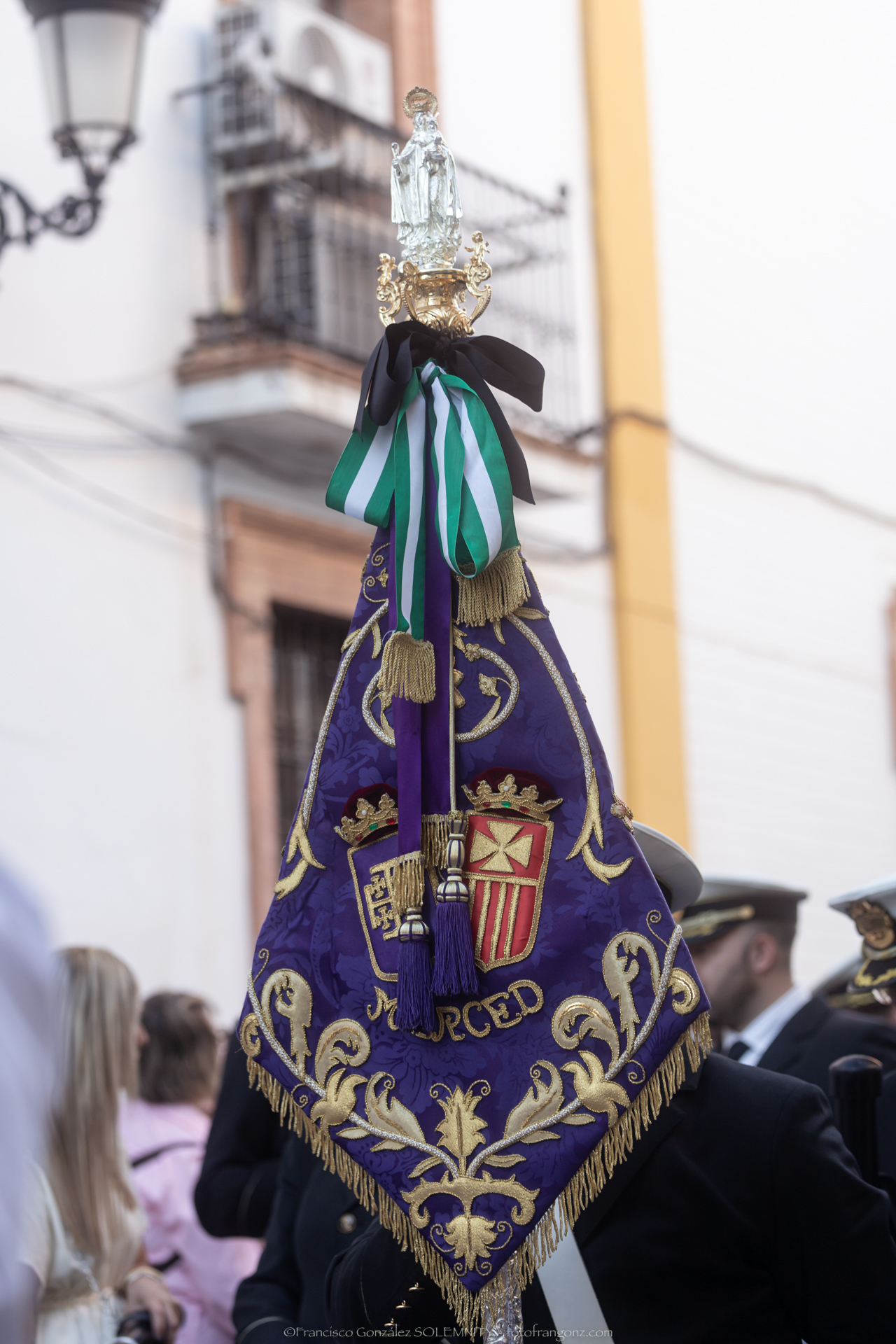
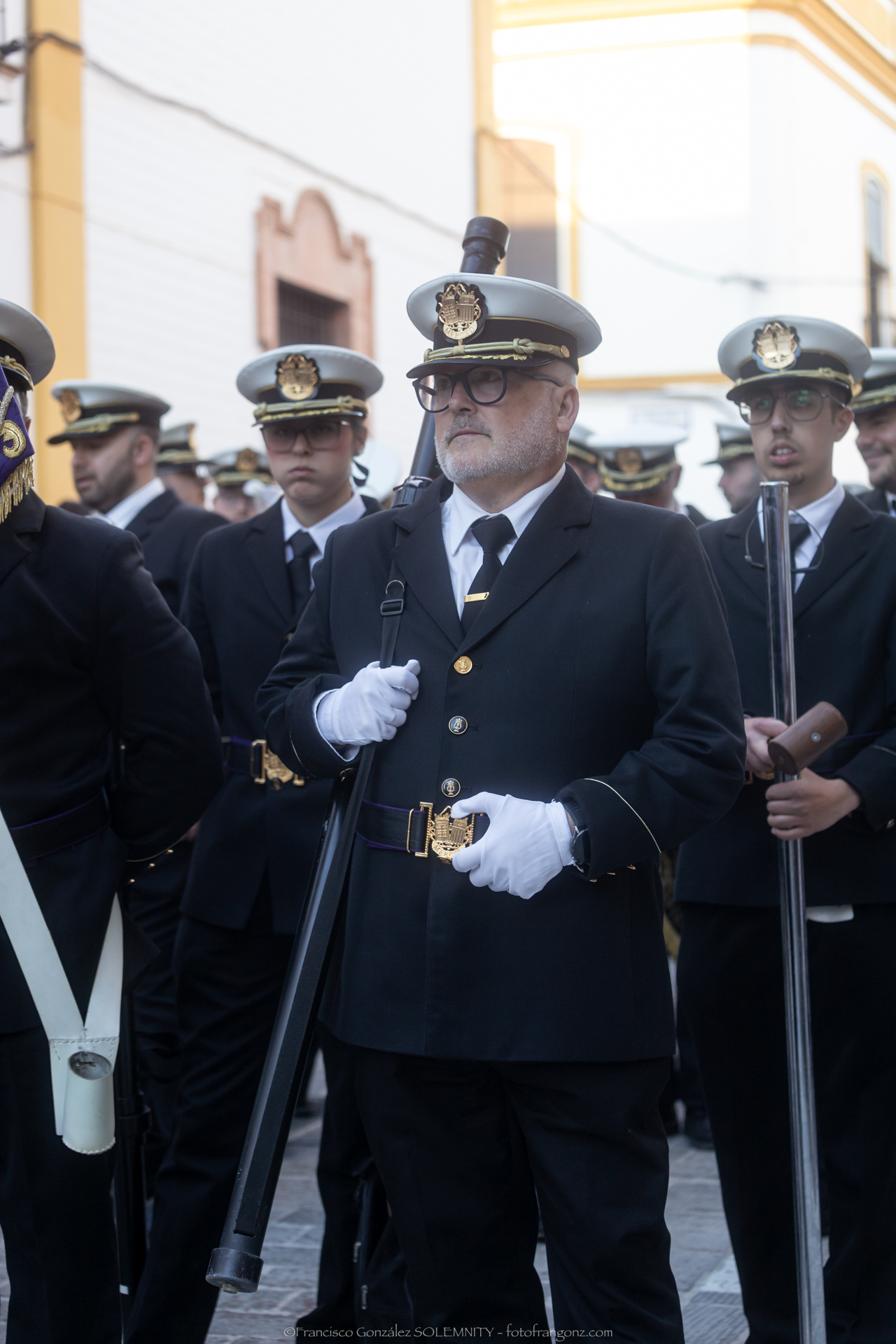
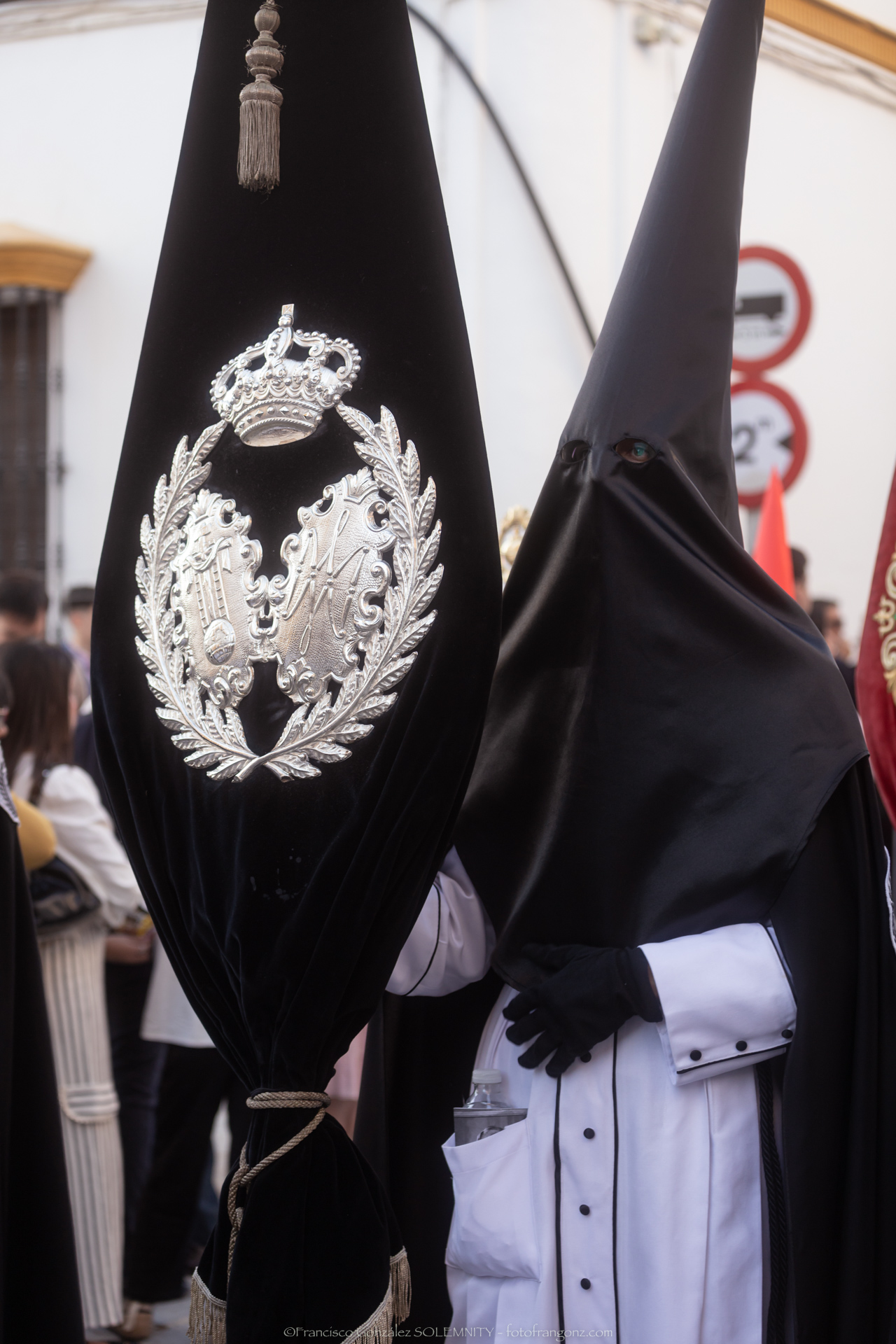
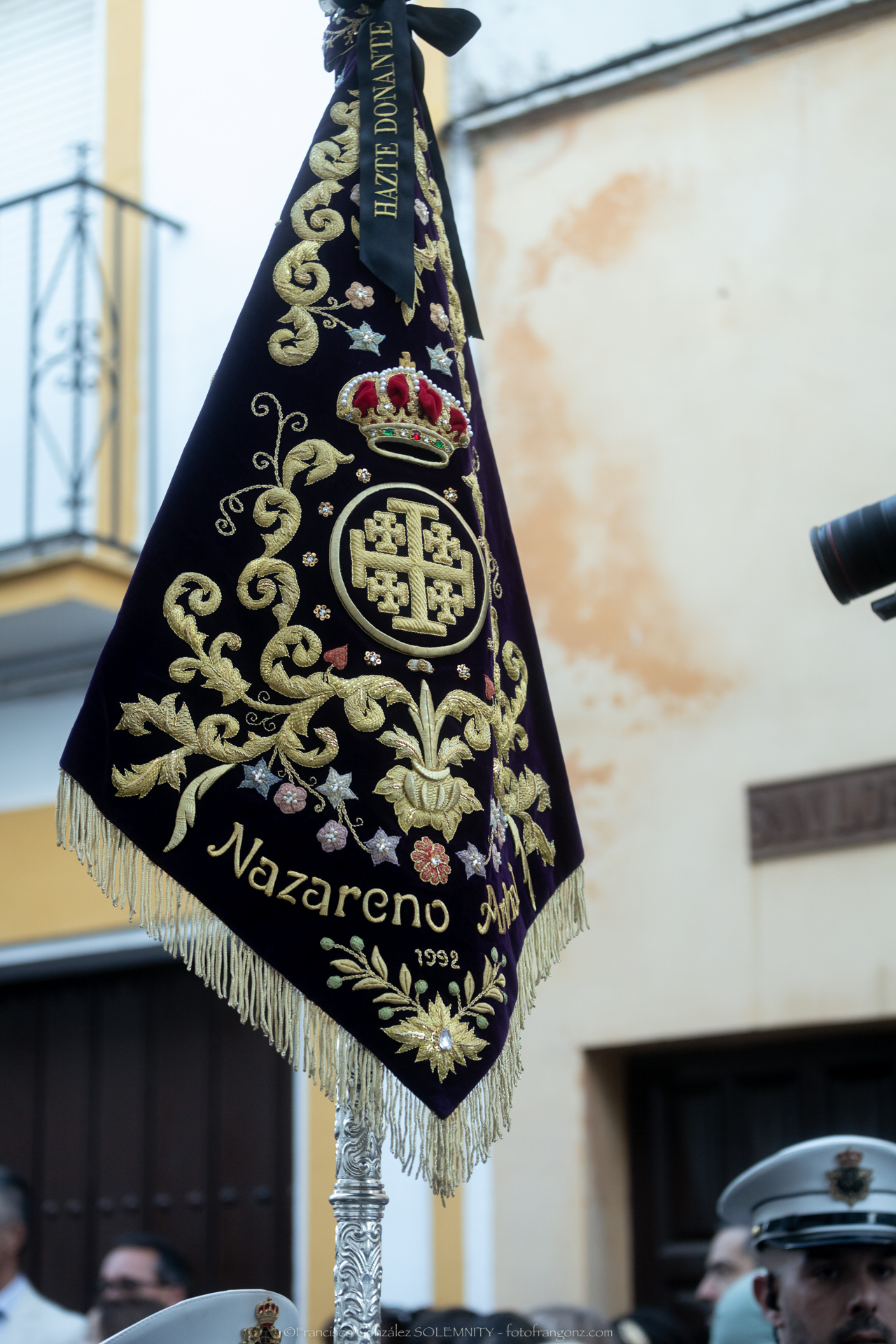
This year, the Grupo Joven donated a new banner embroidered in silk on black velvet. This piece revives a 19th-century French design featuring the Holy Cross with the Holy Shroud surrounded by flowers. As has been customary for the past twenty years, it was accompanied by the Banda de Cornetas y Tambores Nuestra Señora de la Merced de El Viso del Alcor (Sevilla).
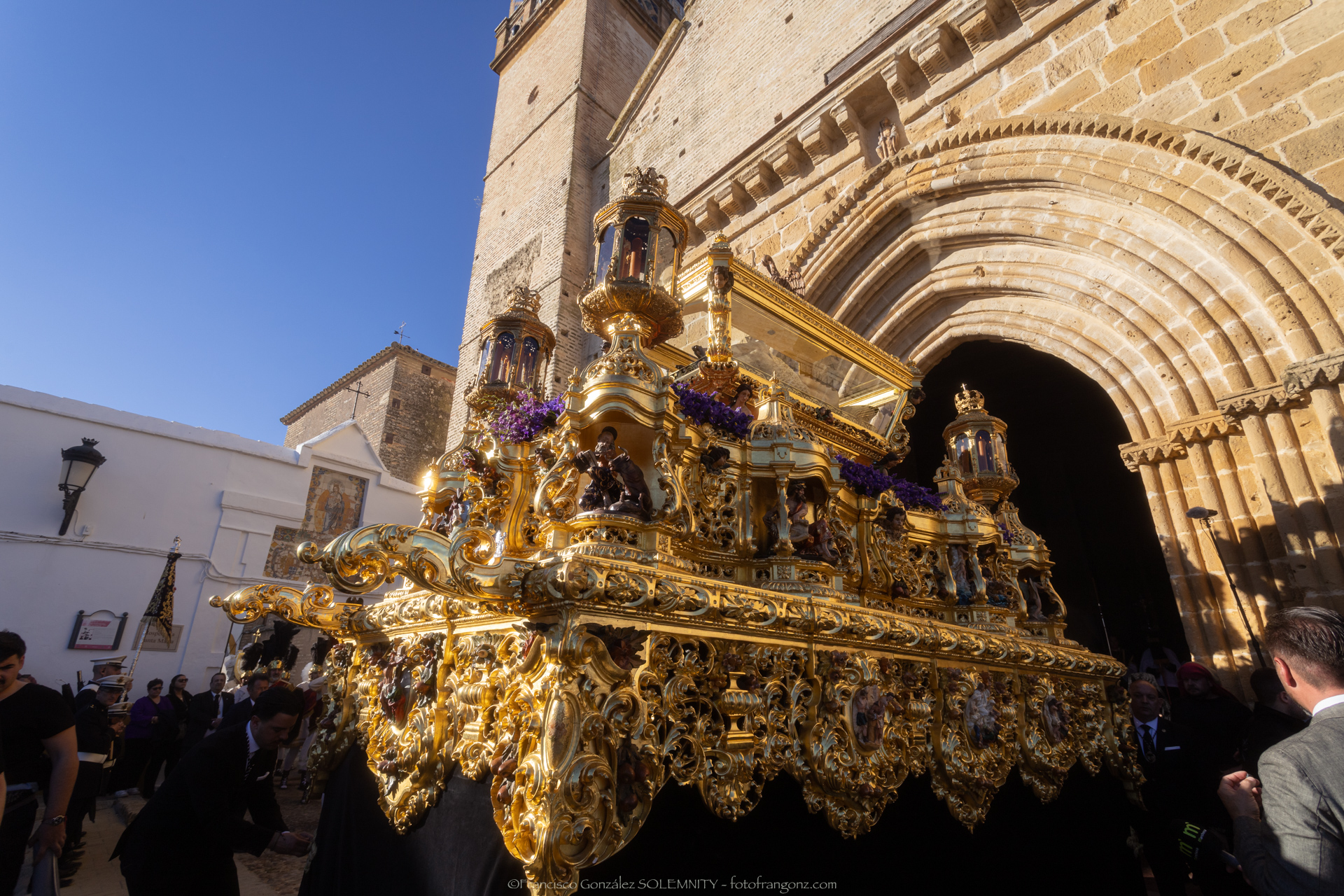
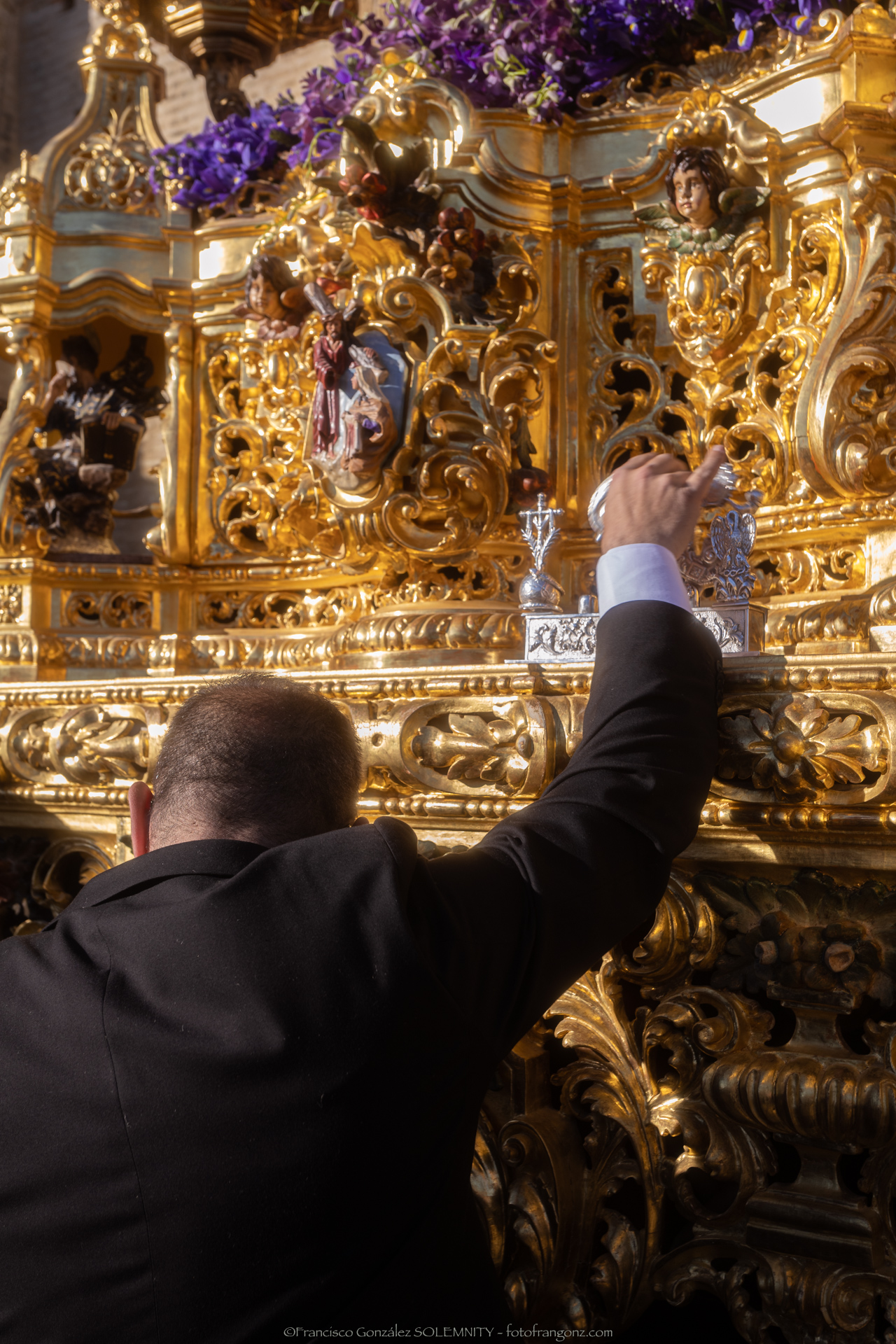
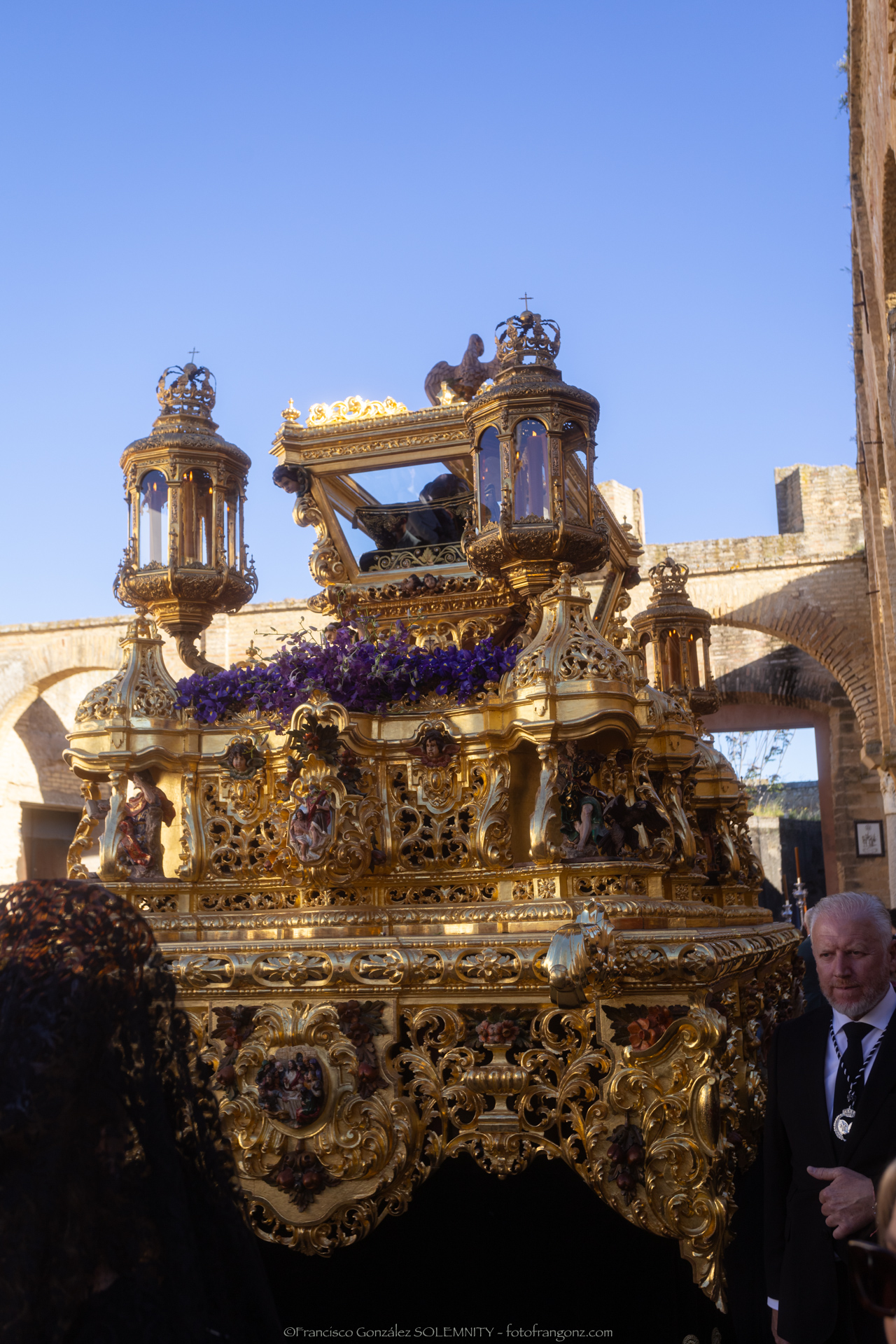
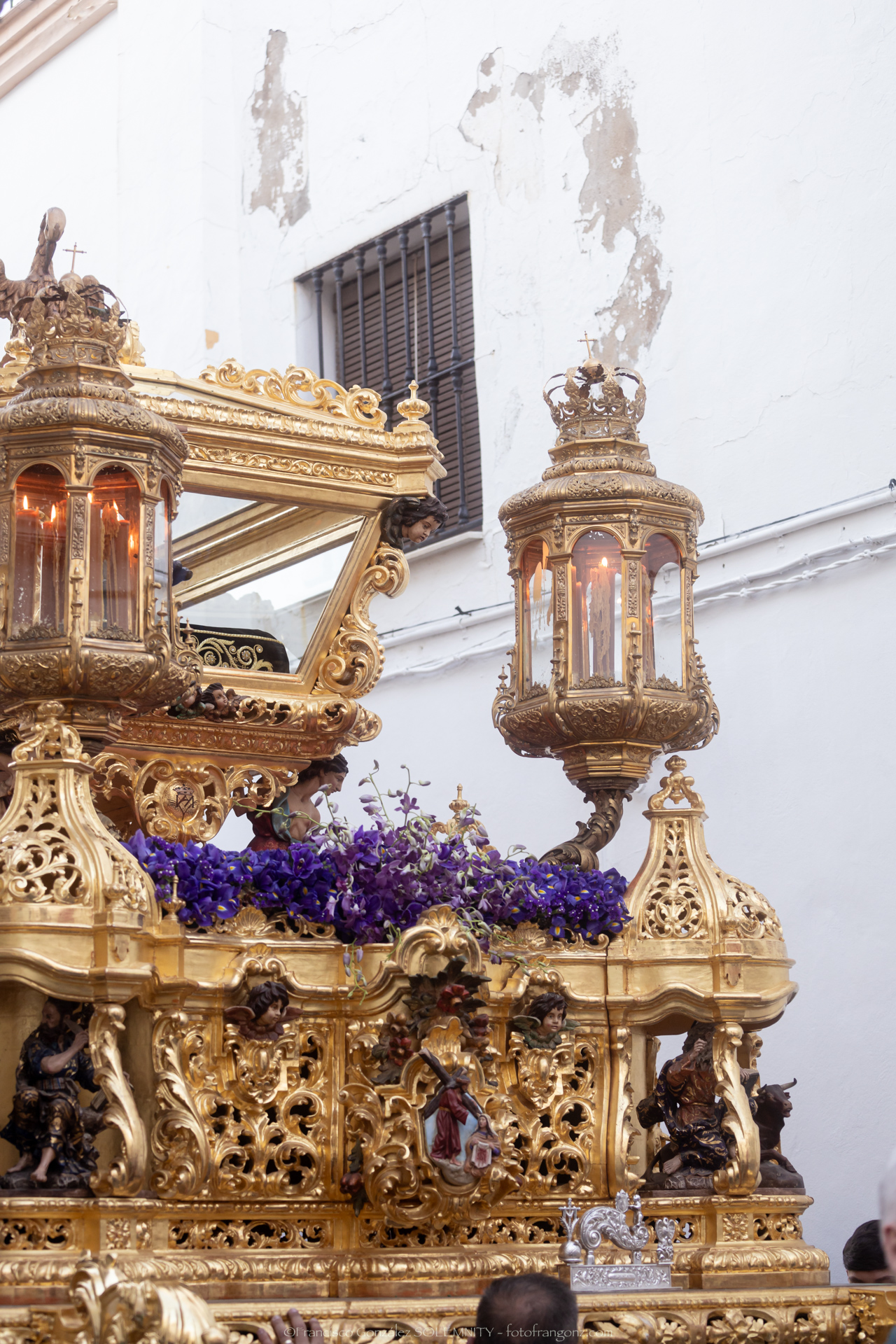
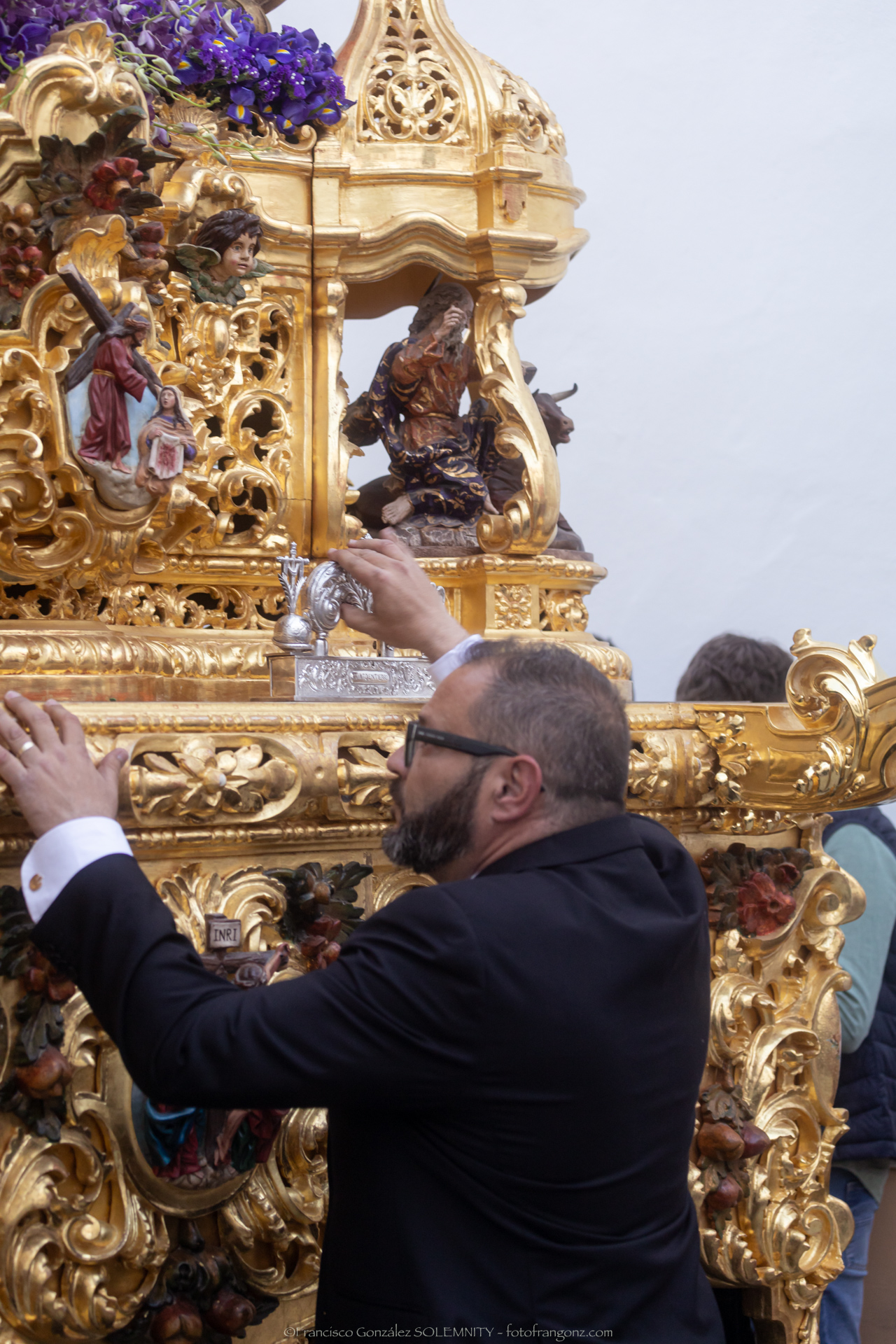
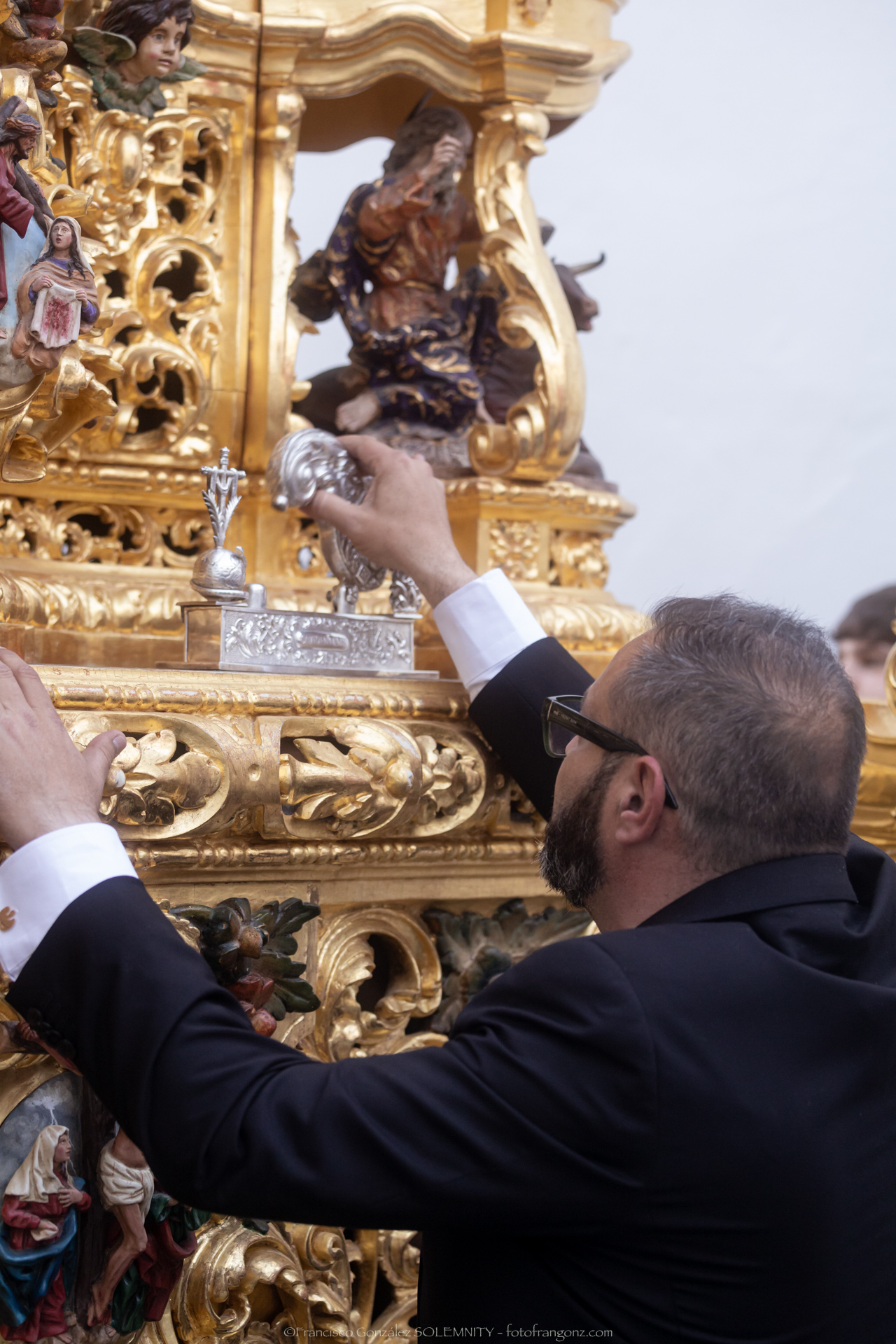
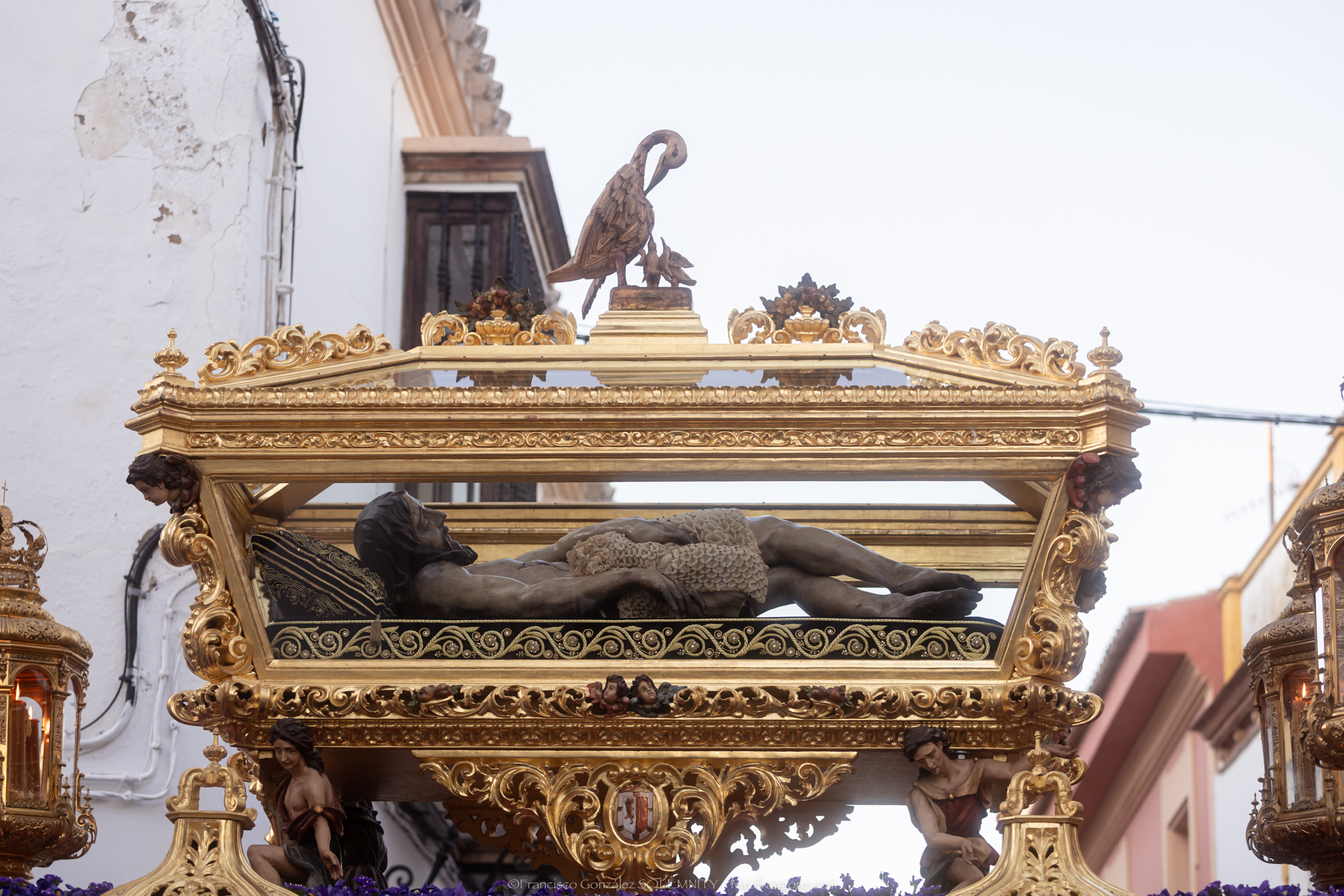
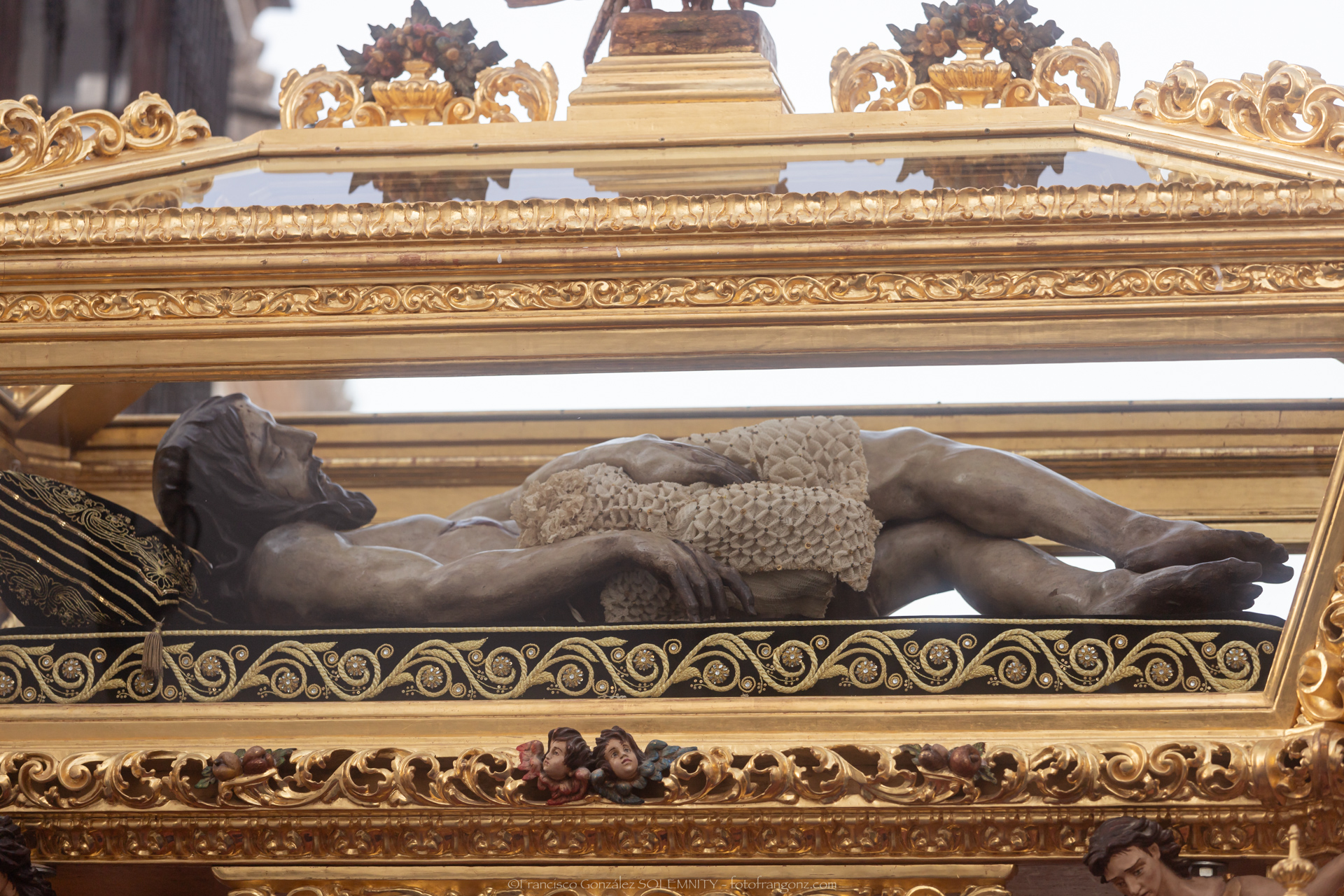
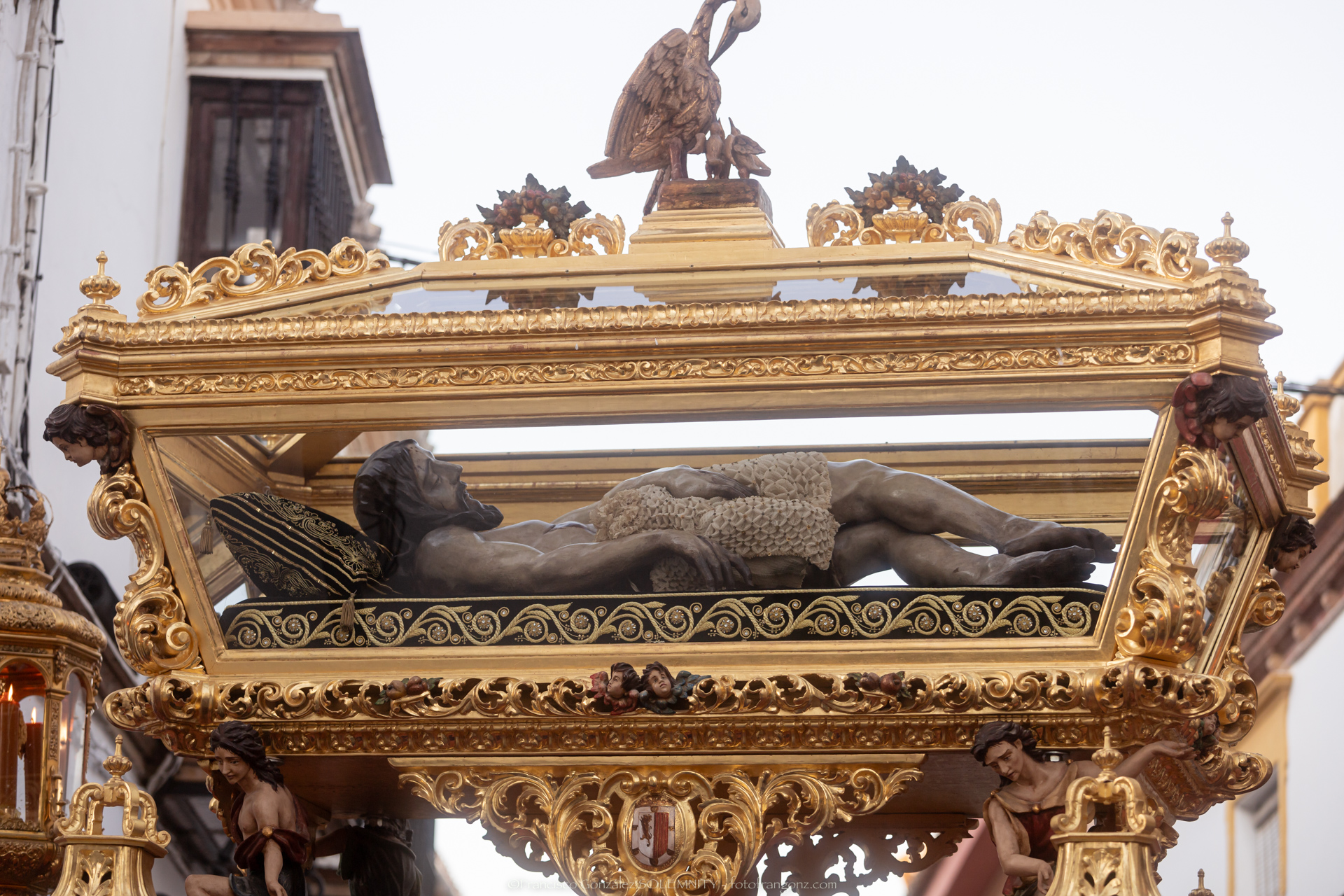
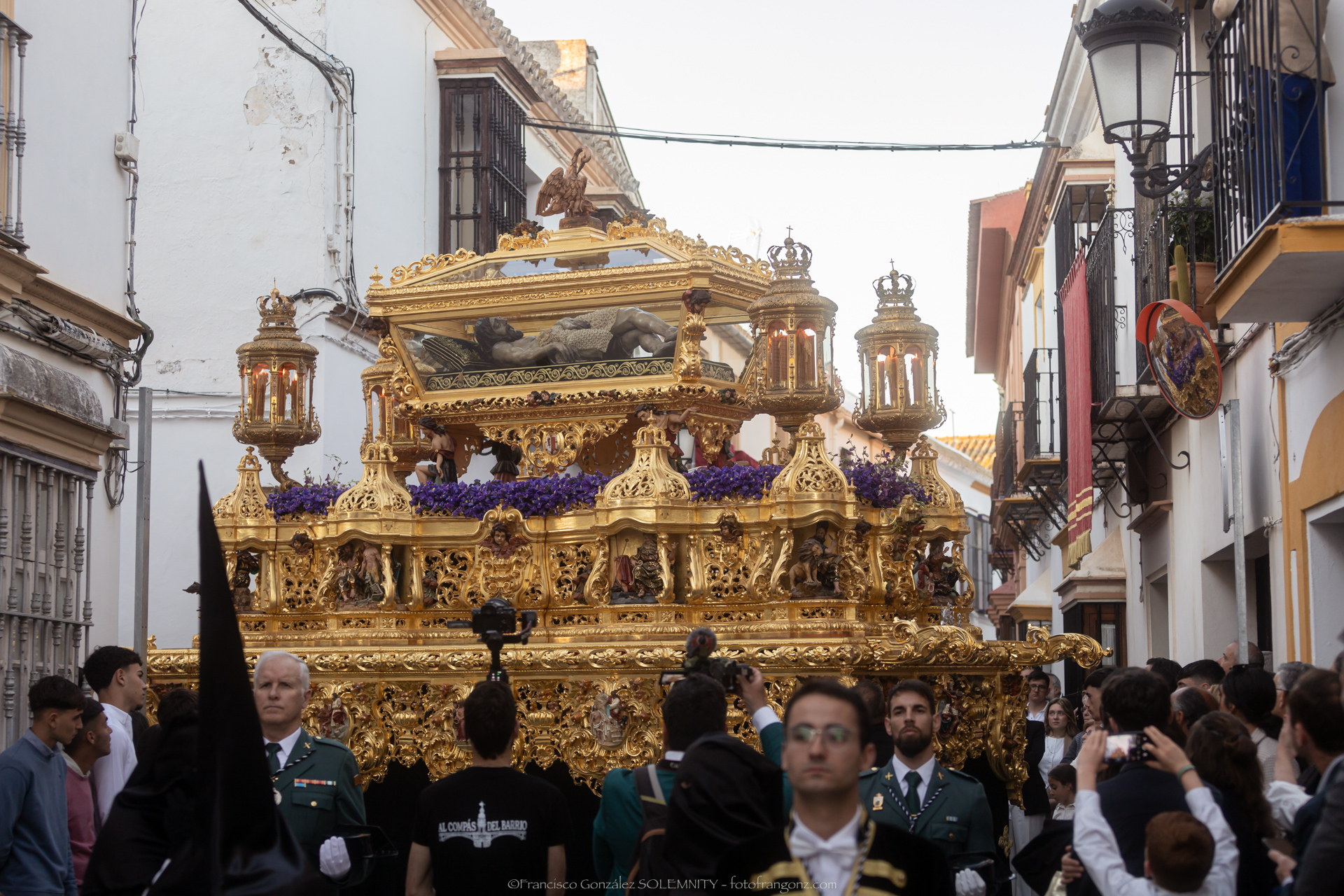
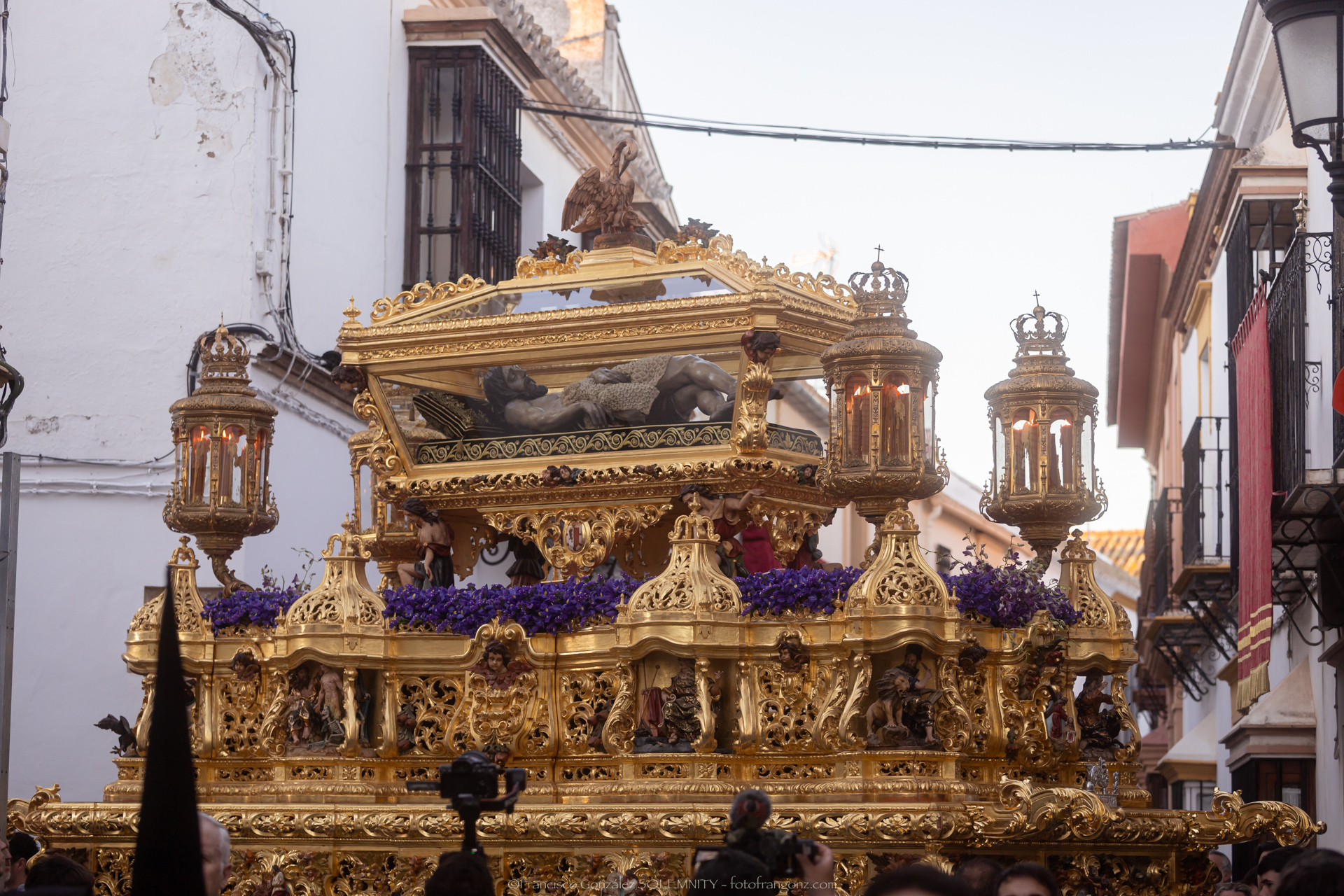
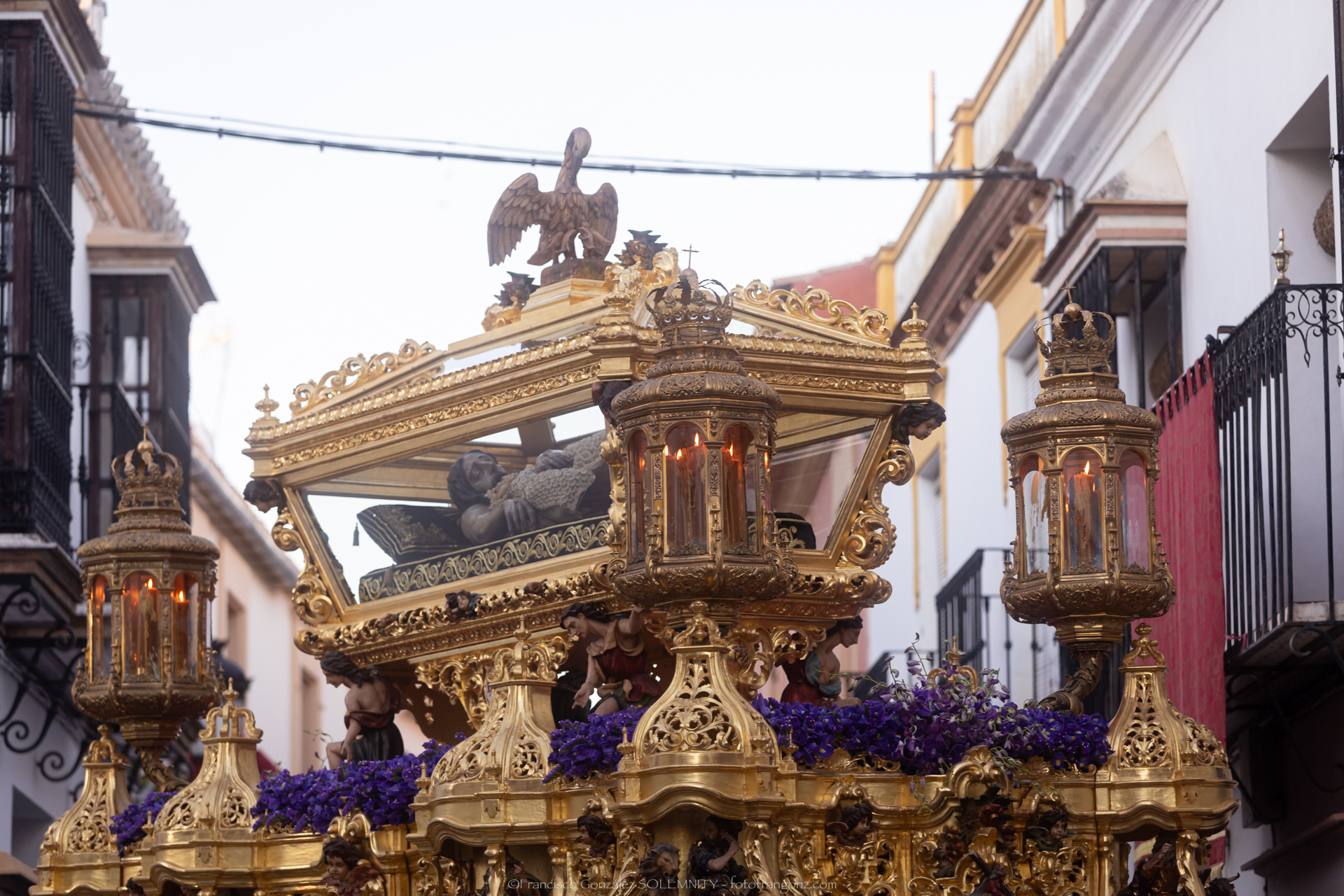
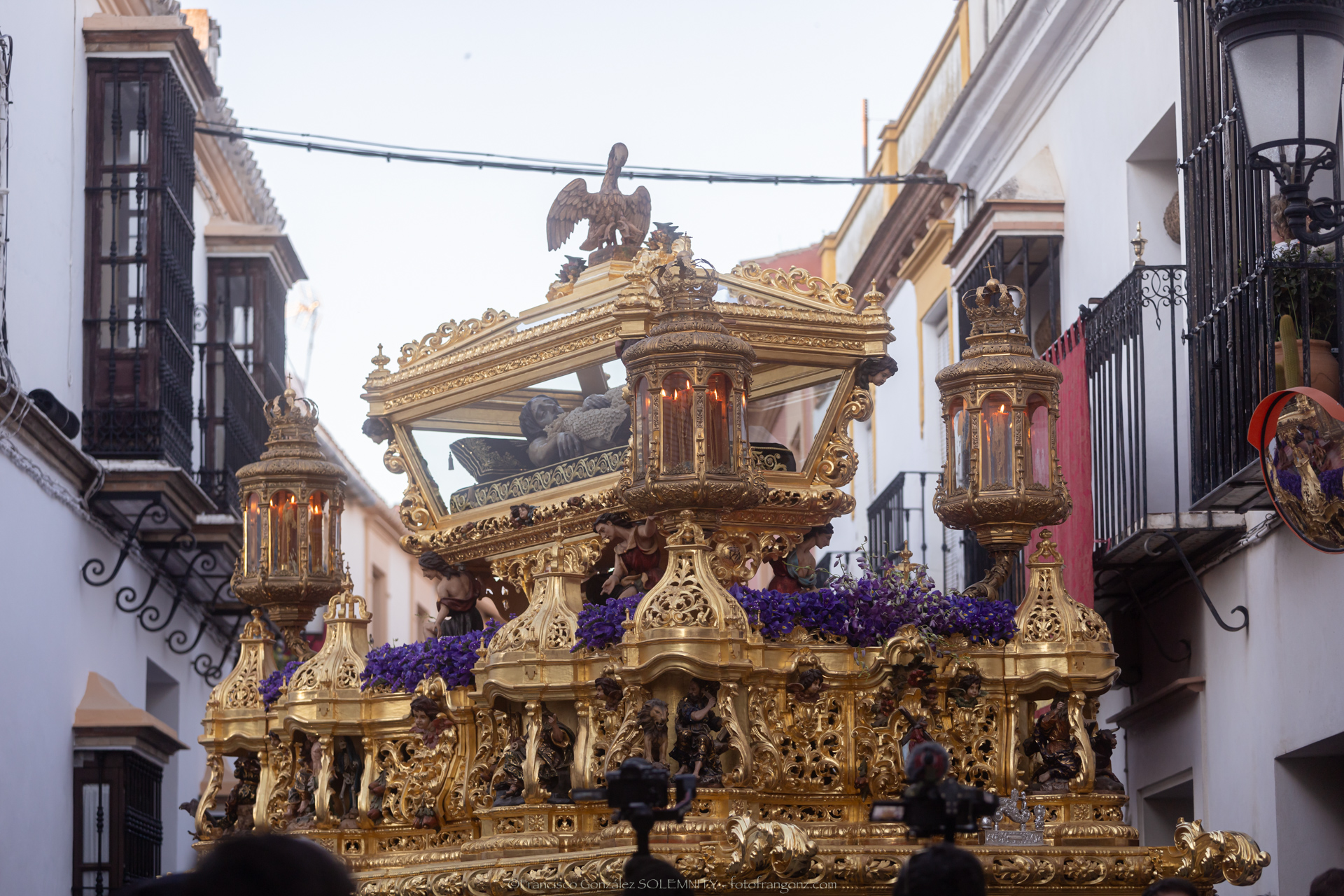
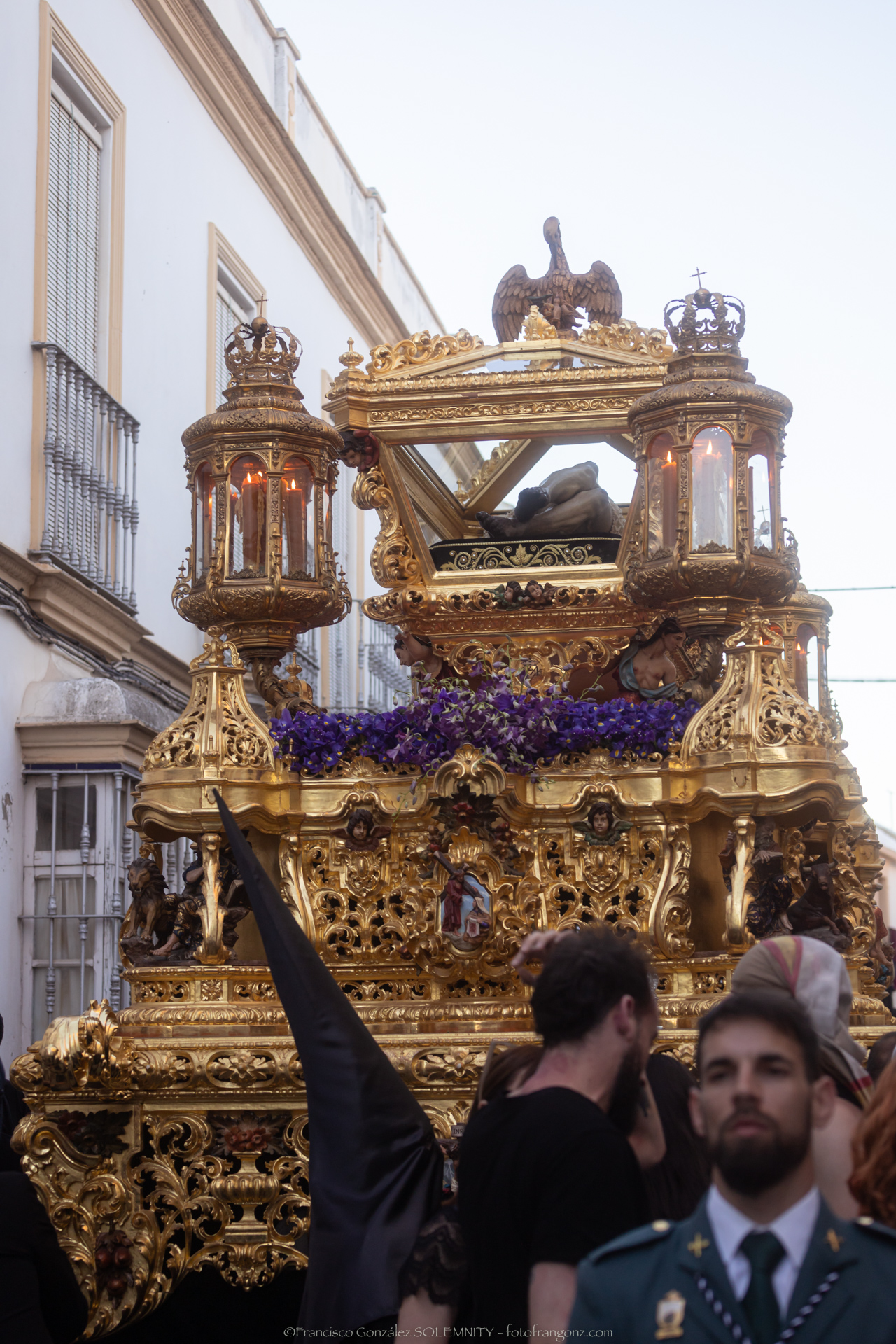
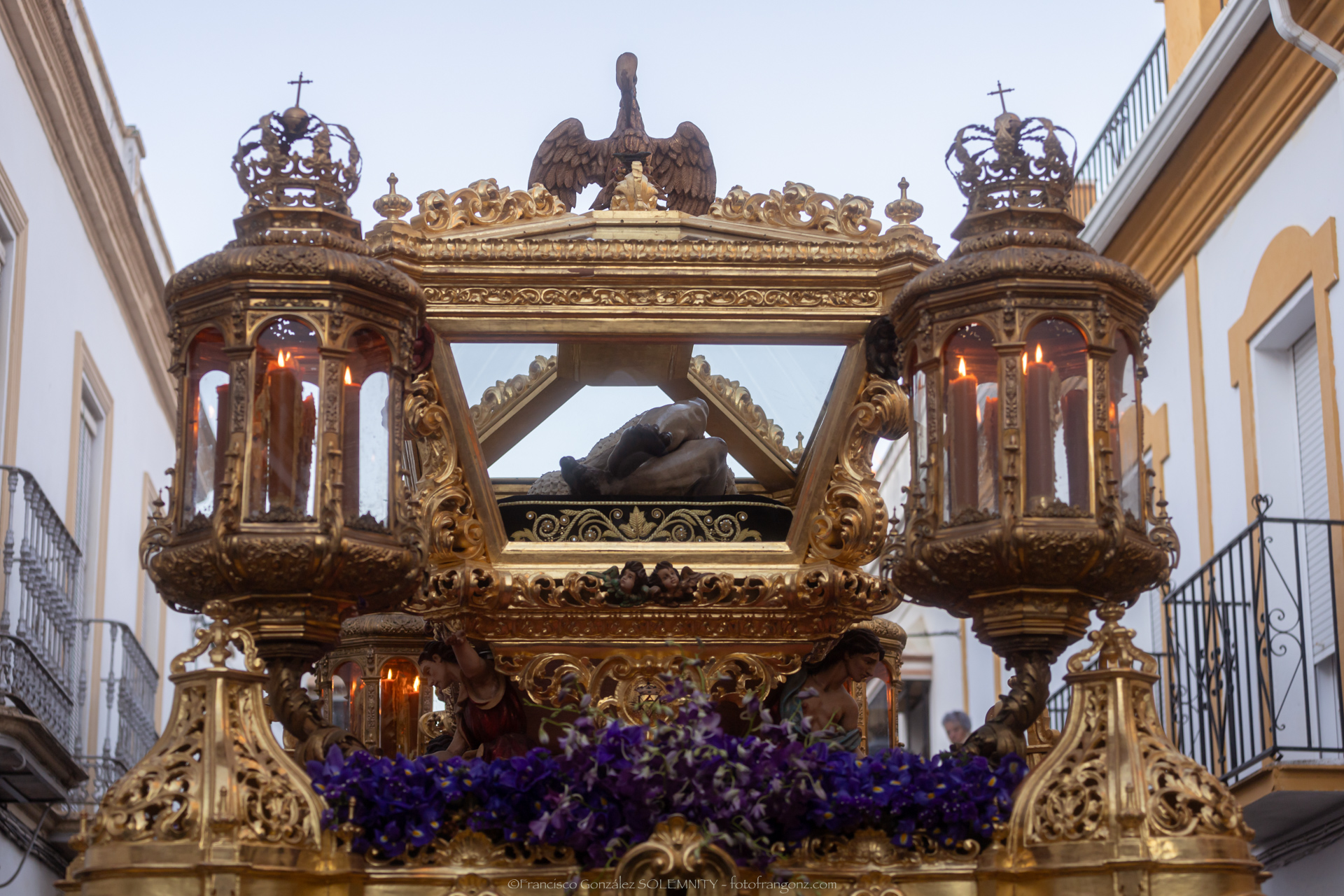
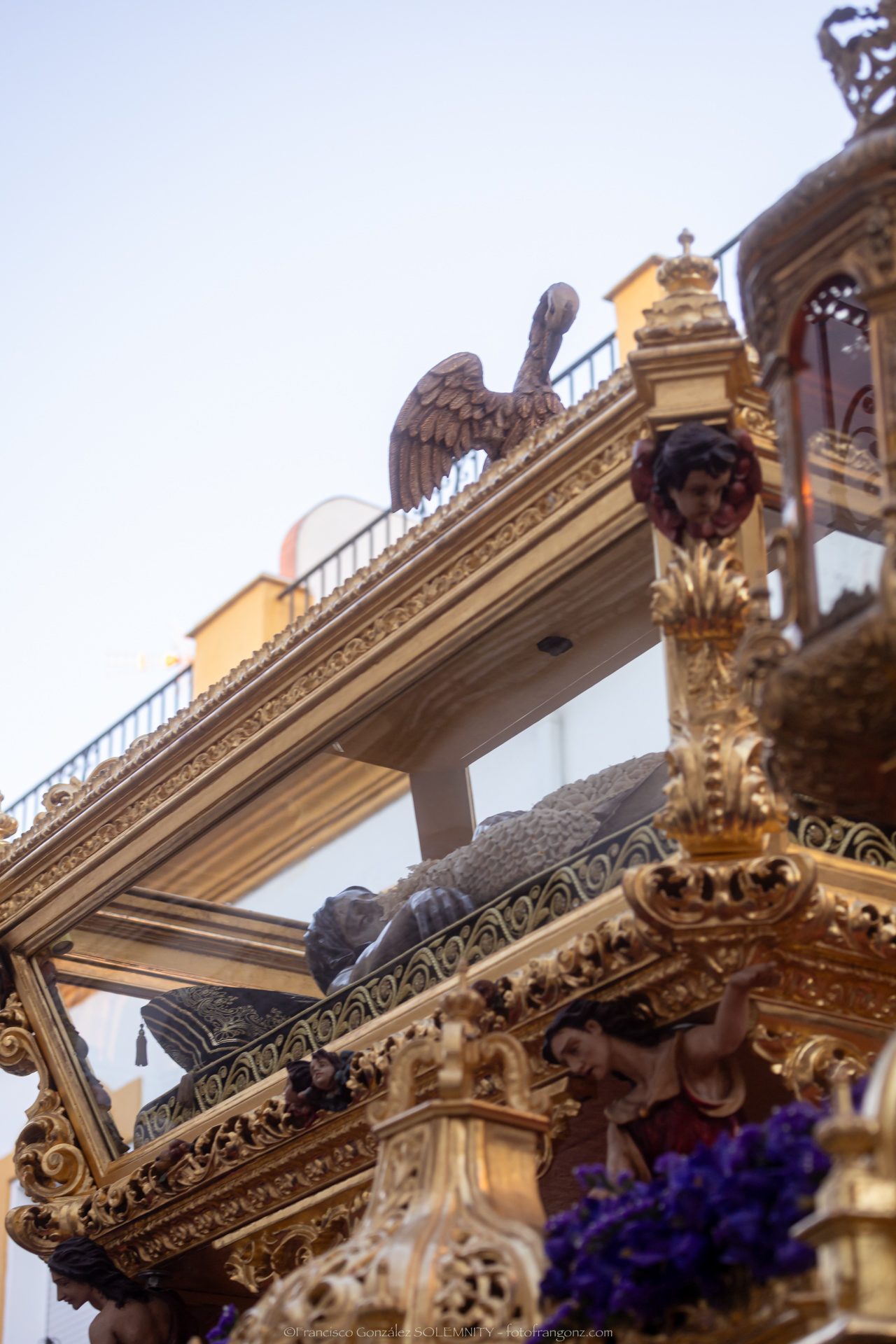
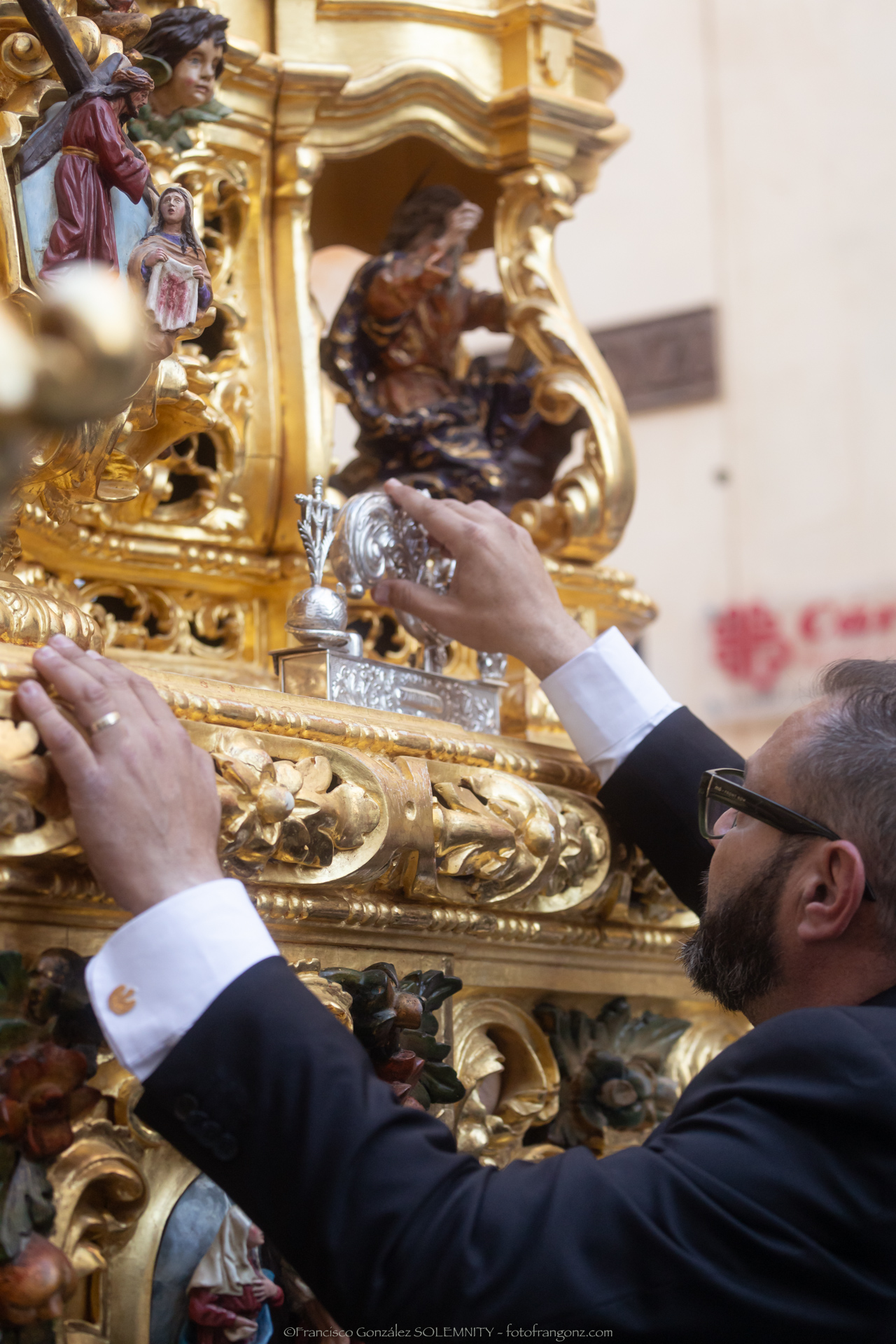
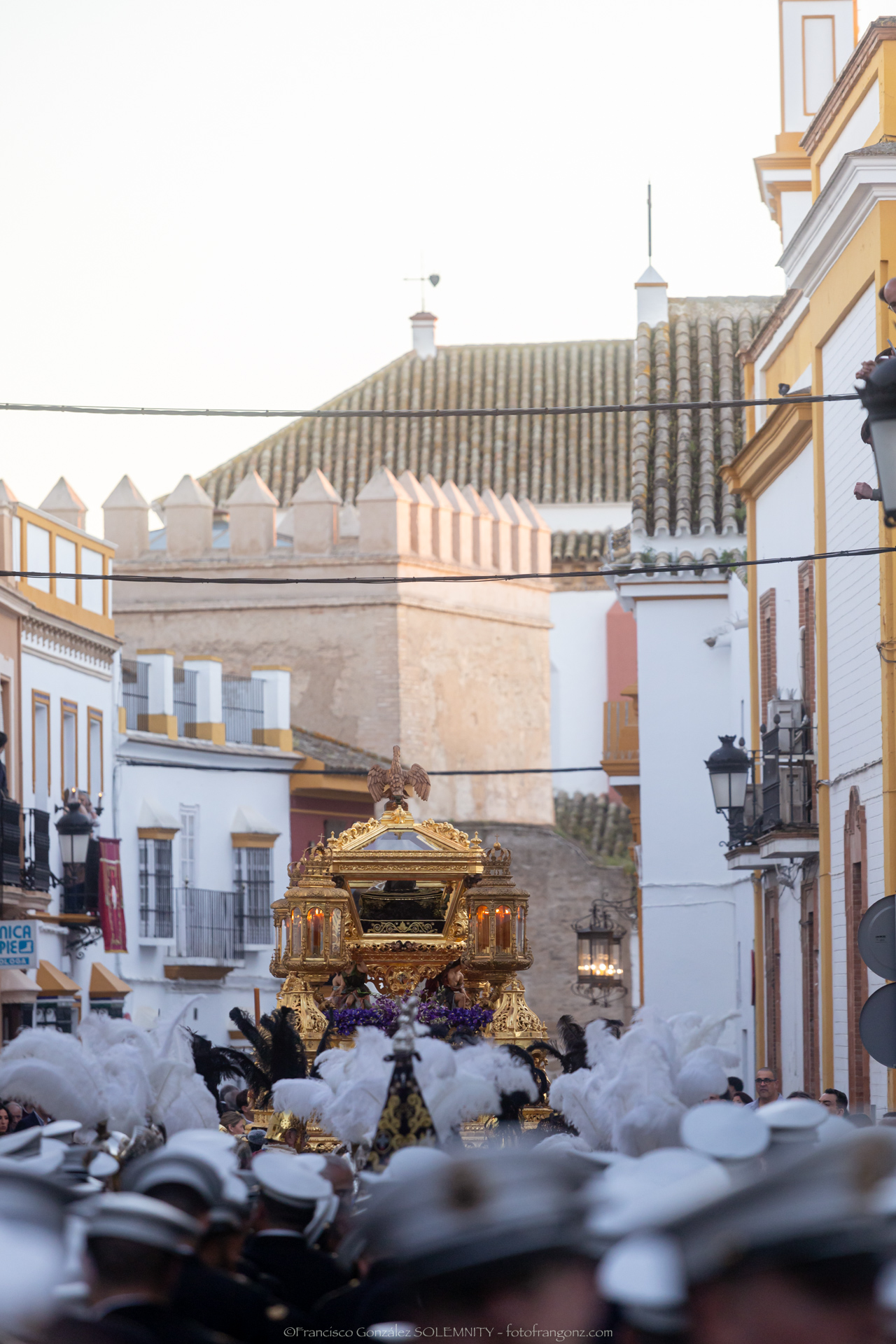
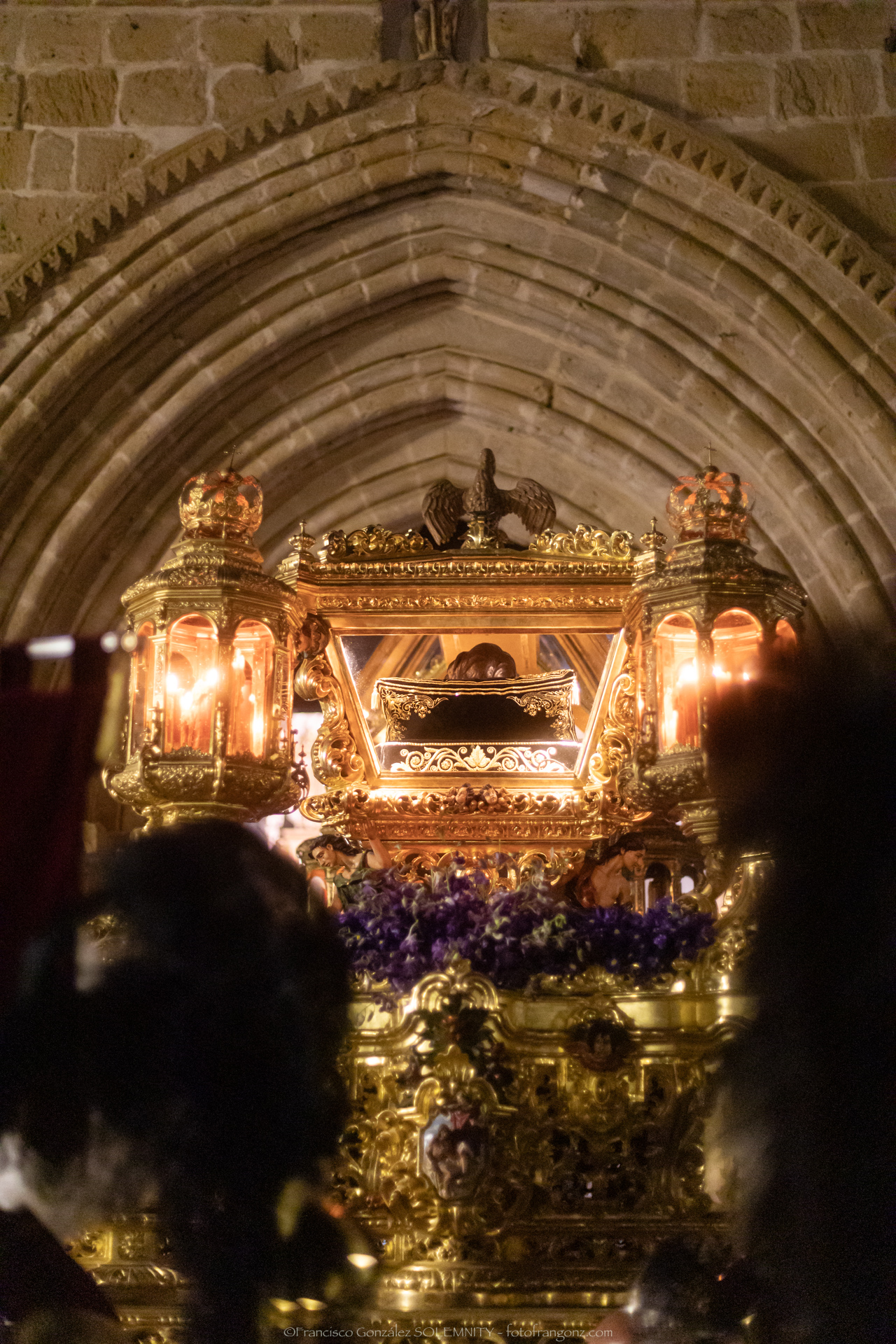
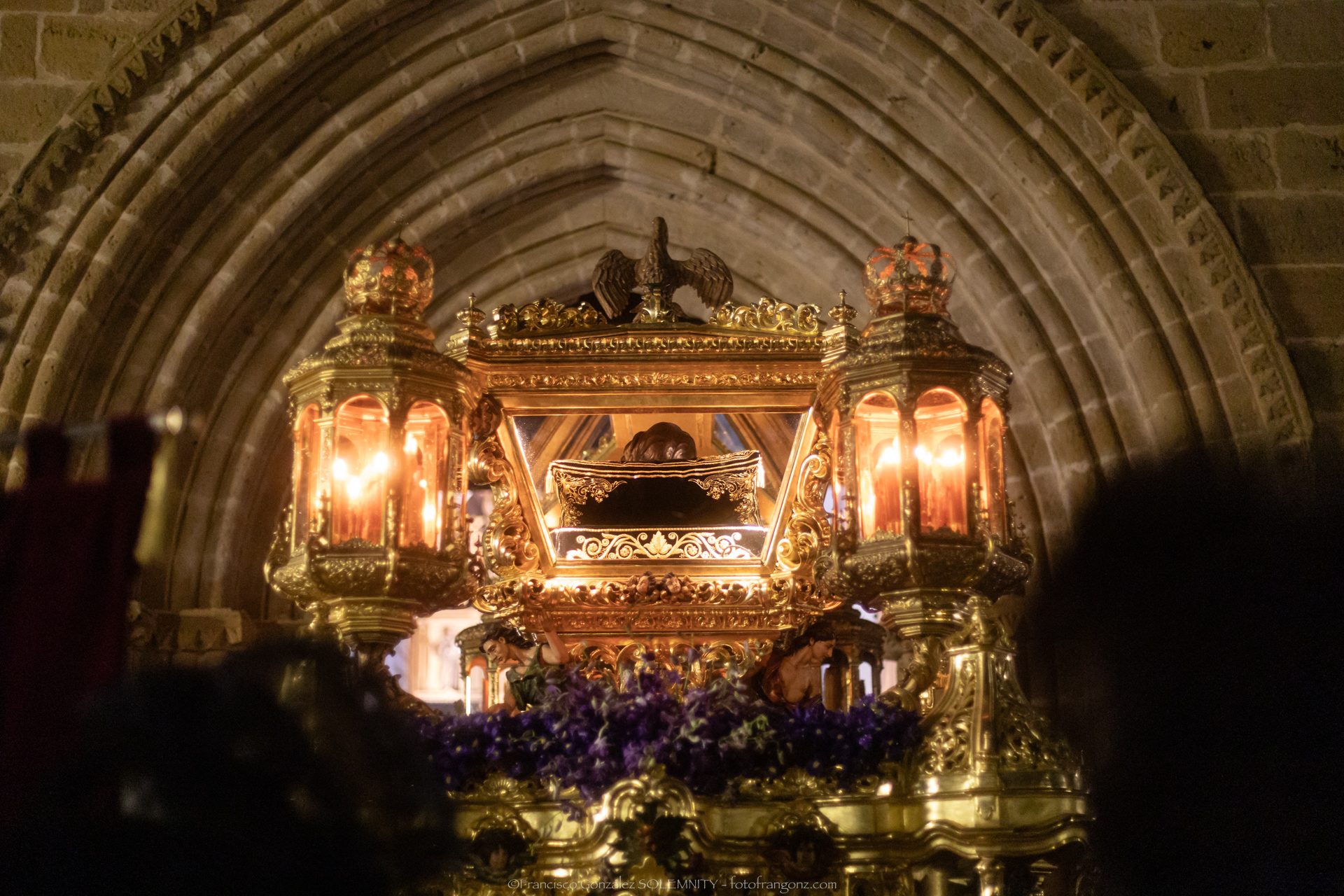
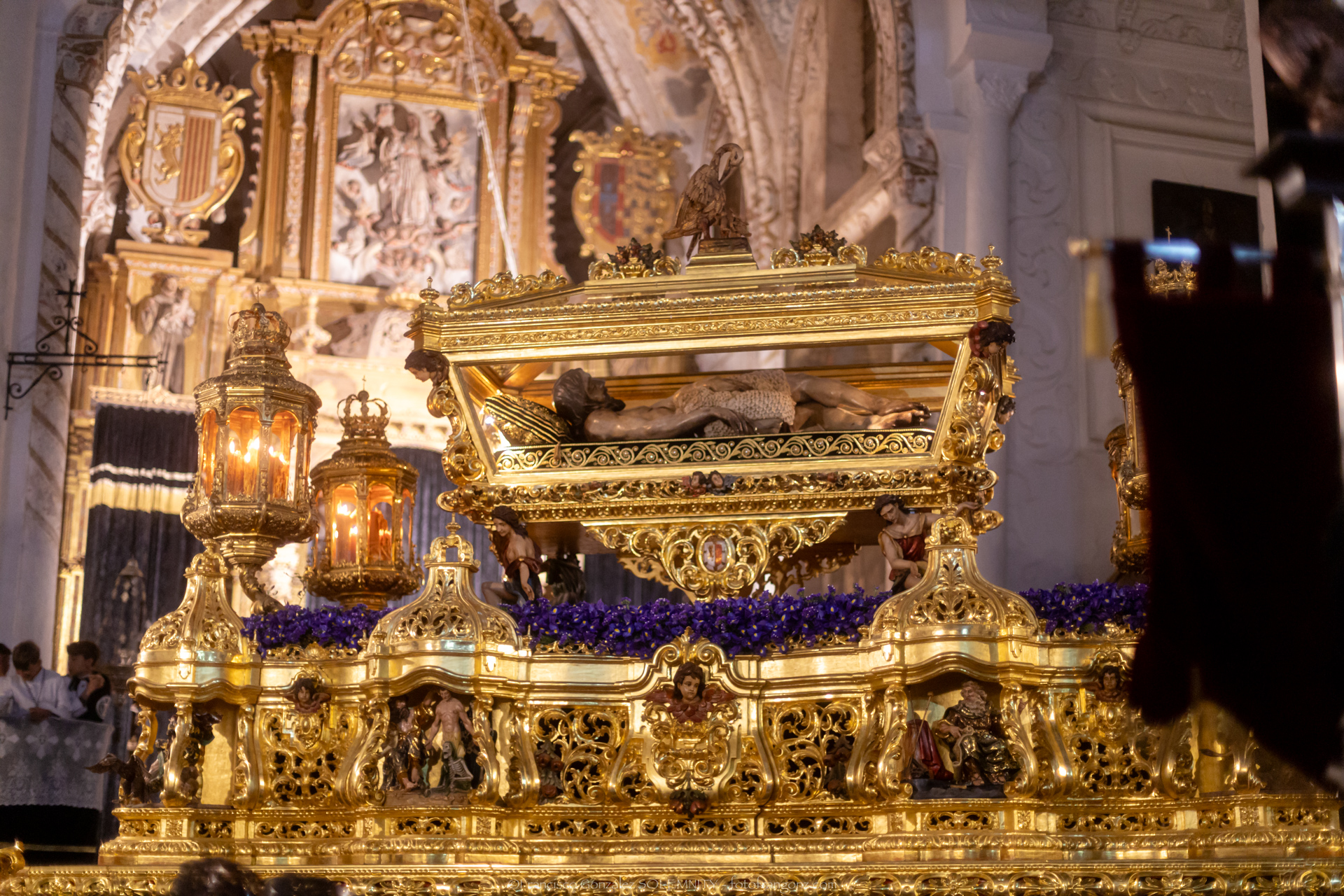
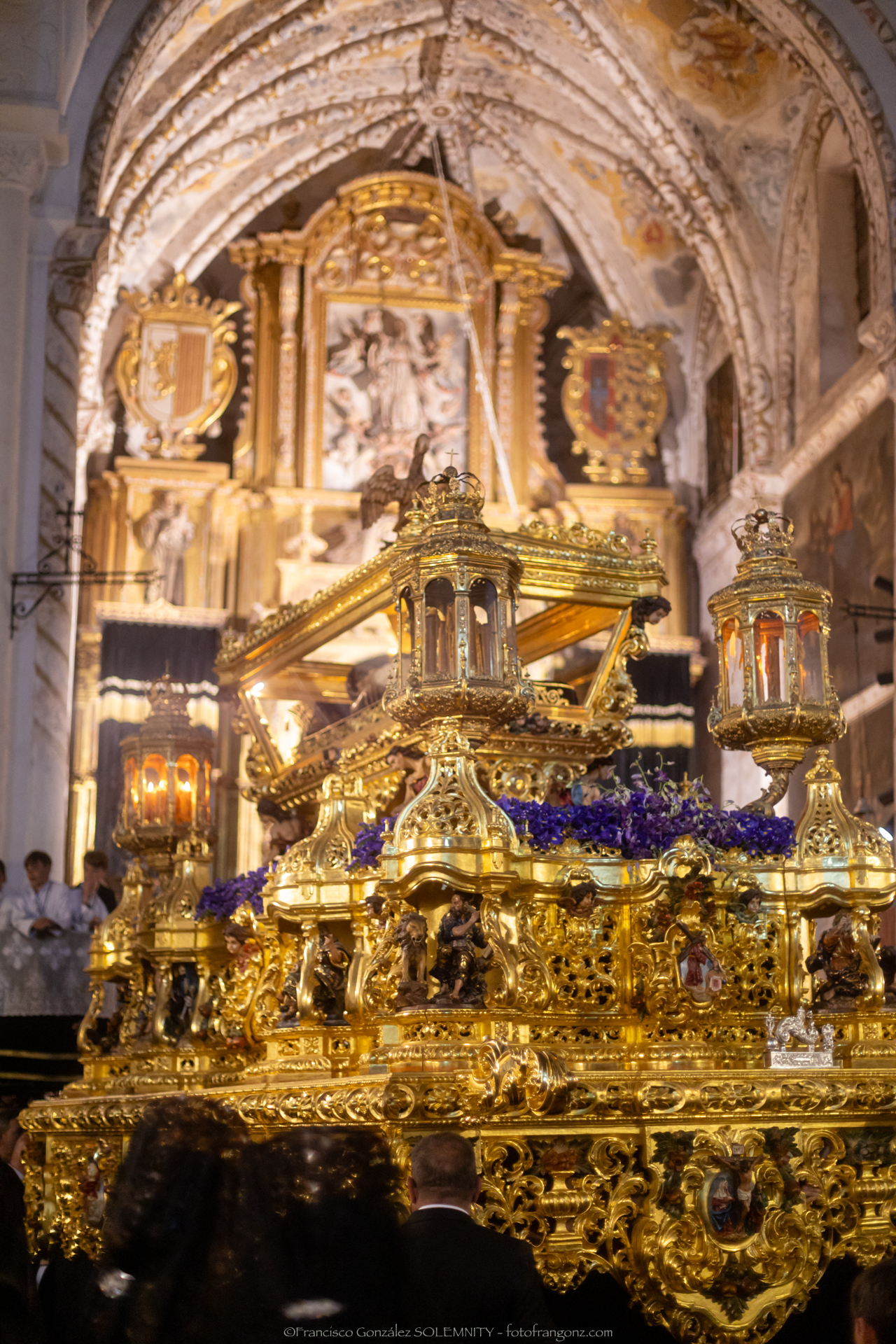
The float of the Santo Entierro de Cristo carries the image of the Señor Yacente inside a glass urn. The float is the posthumous work of Guzmán Bejarano, who passed away before seeing it process for the first time in 2001. The image of the Señor Yacente is attributed to Jerónimo Hernández and depicts the body of Christ after His descent from the Cross, dead and laid in the Holy Sepulchre.
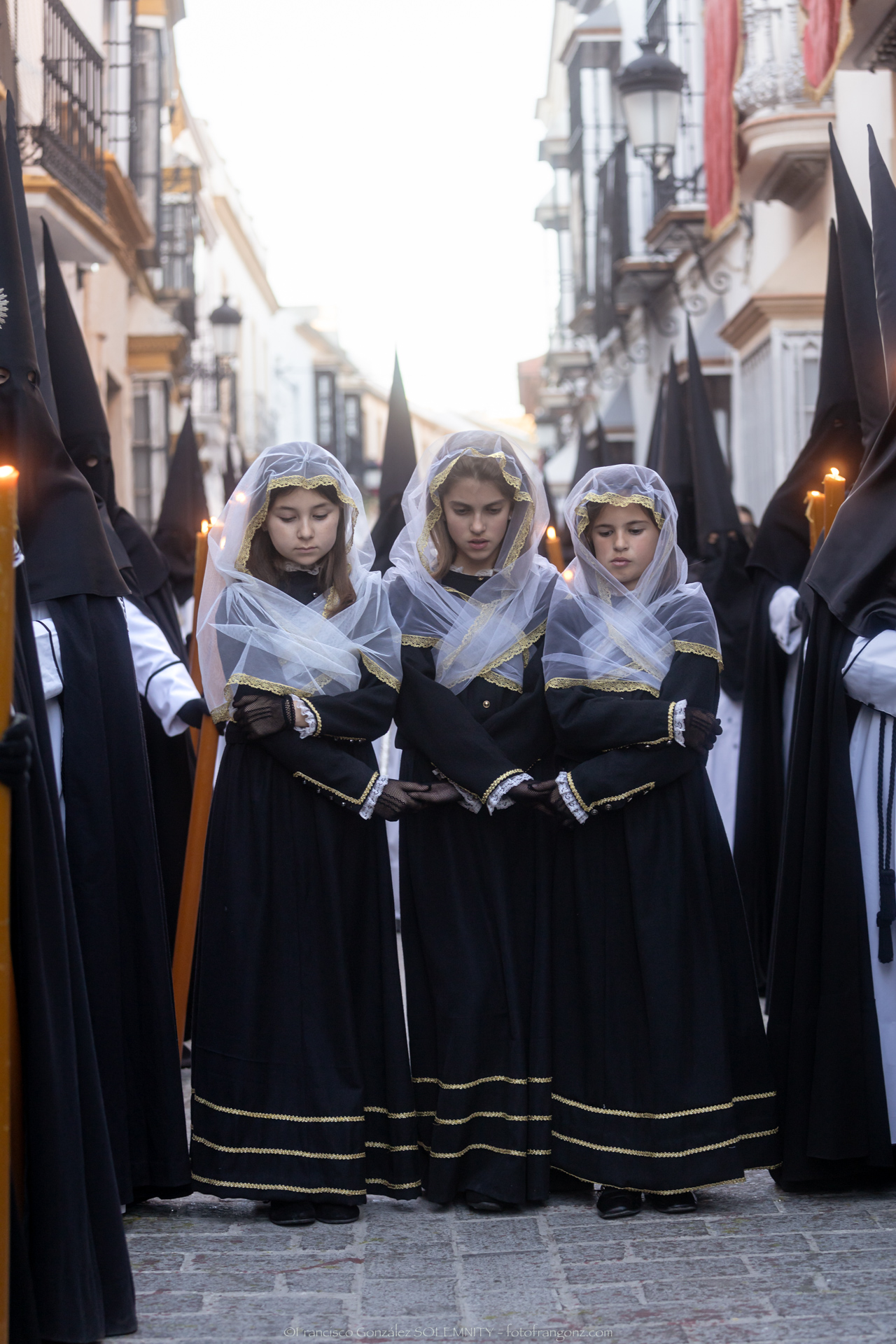
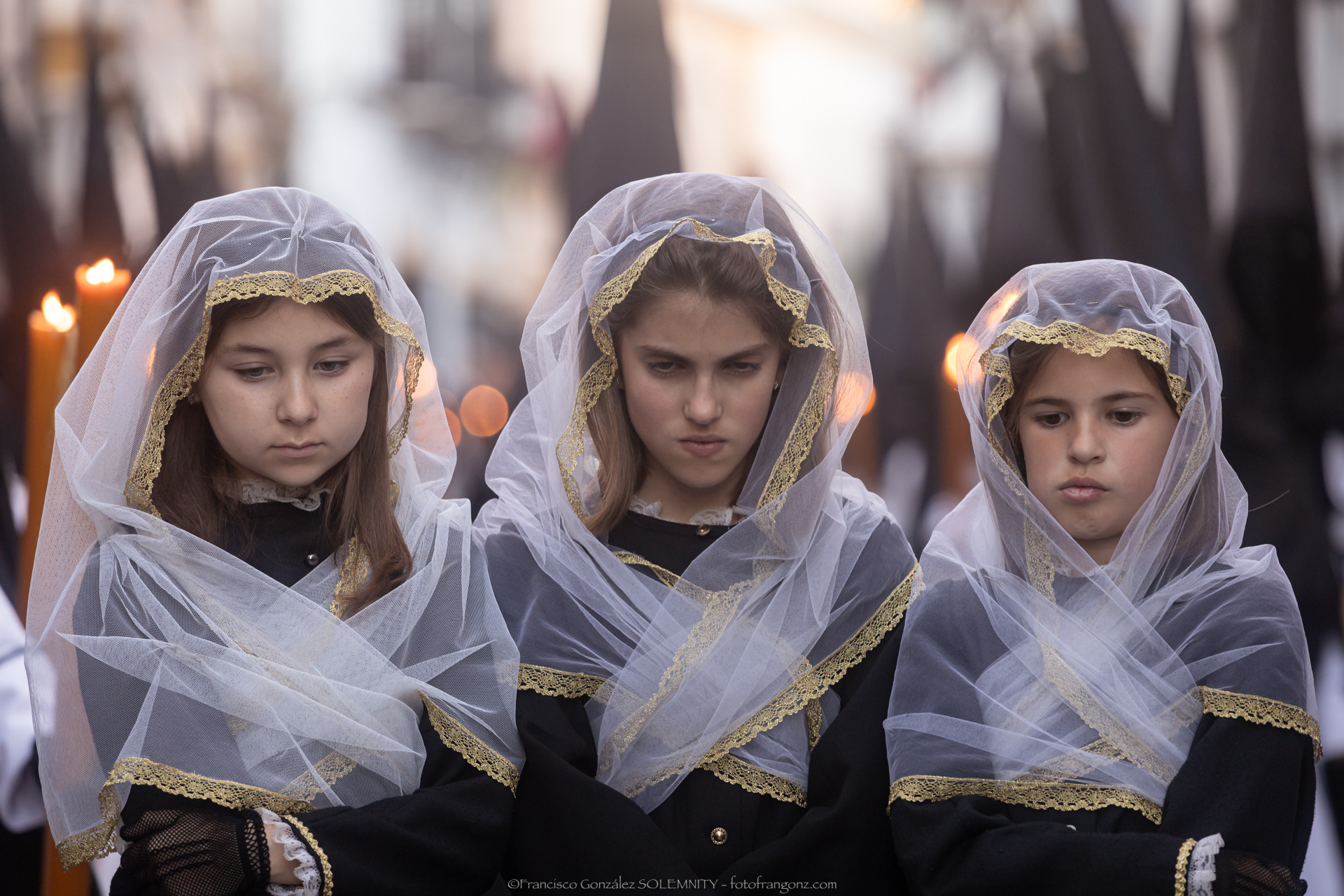
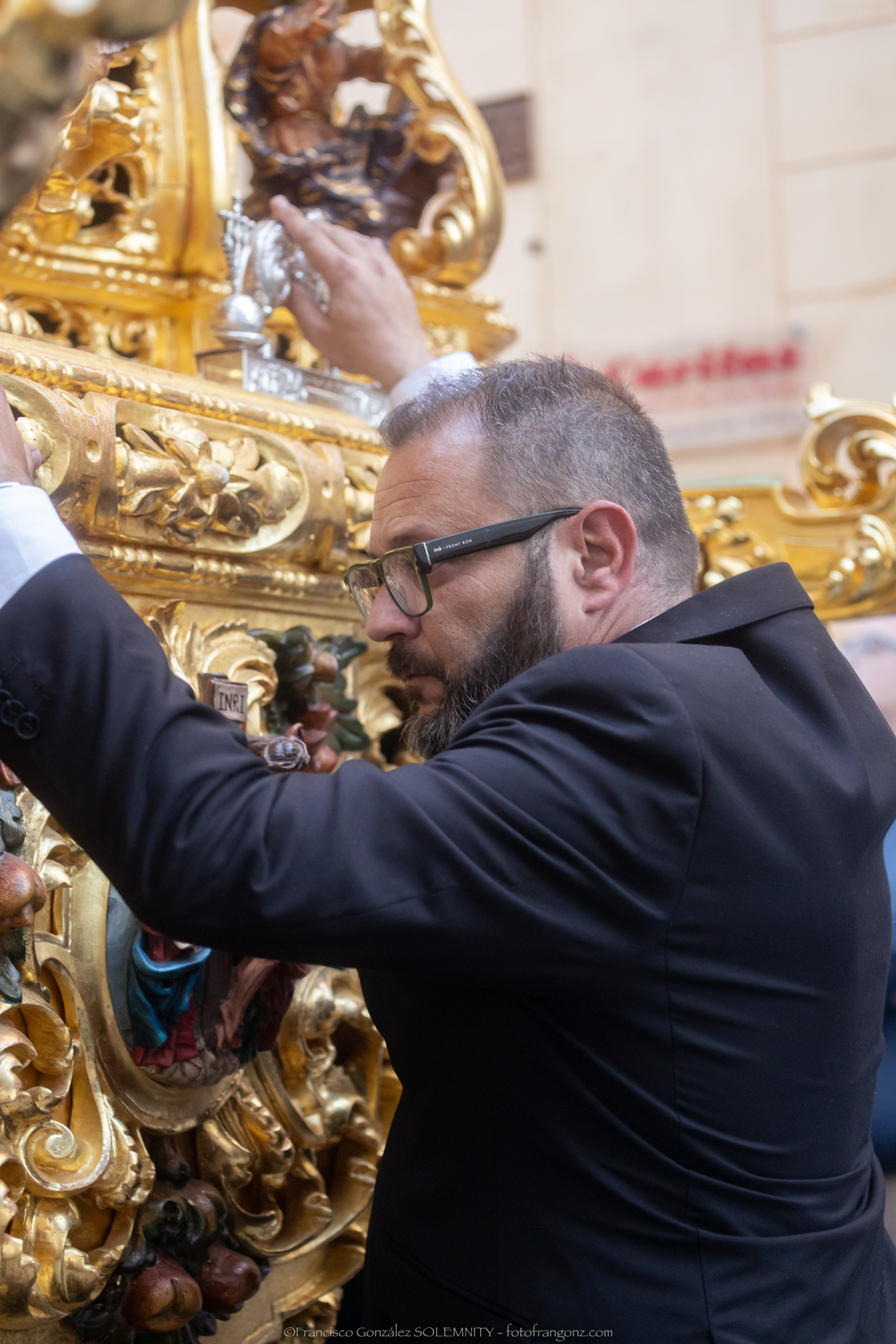
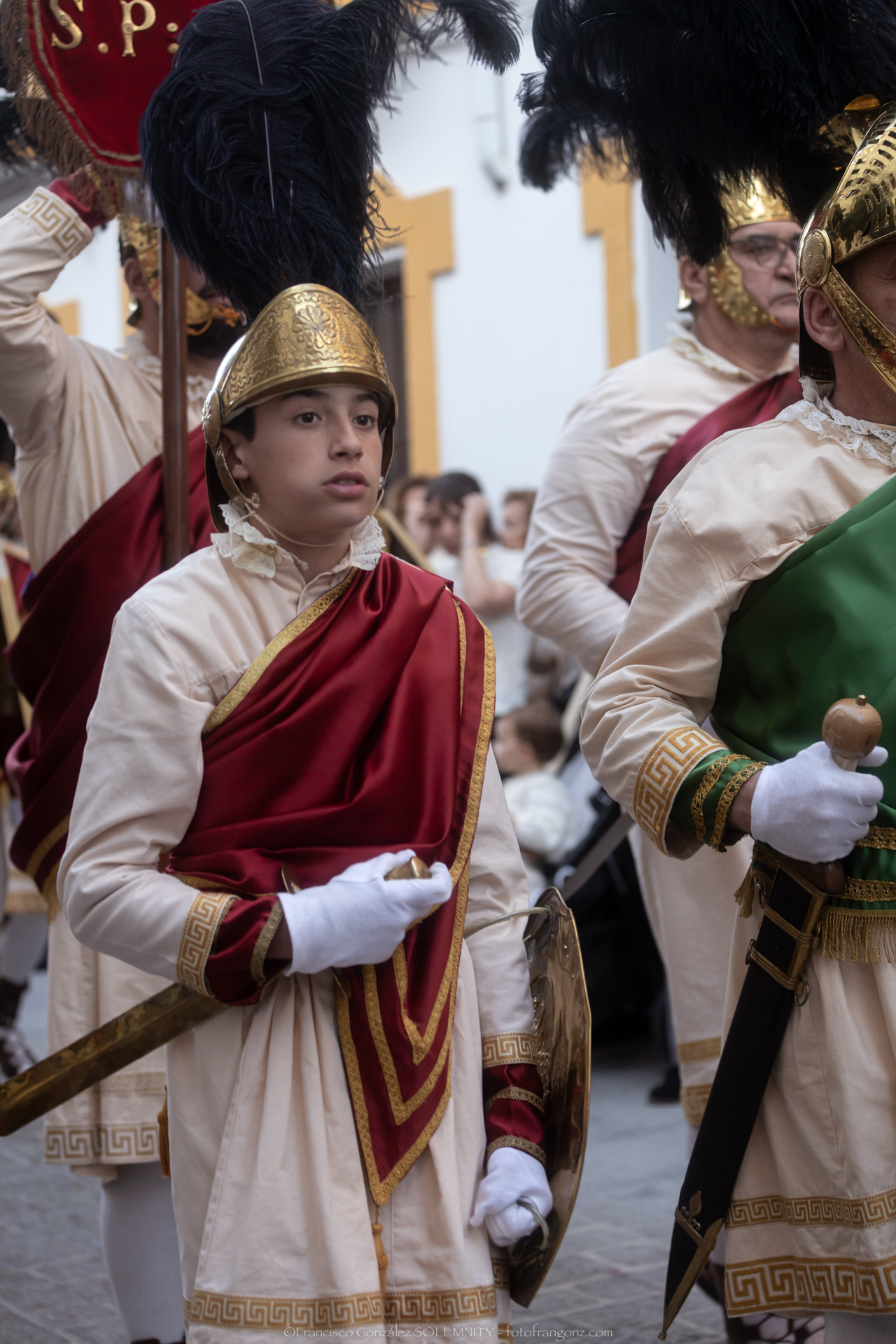
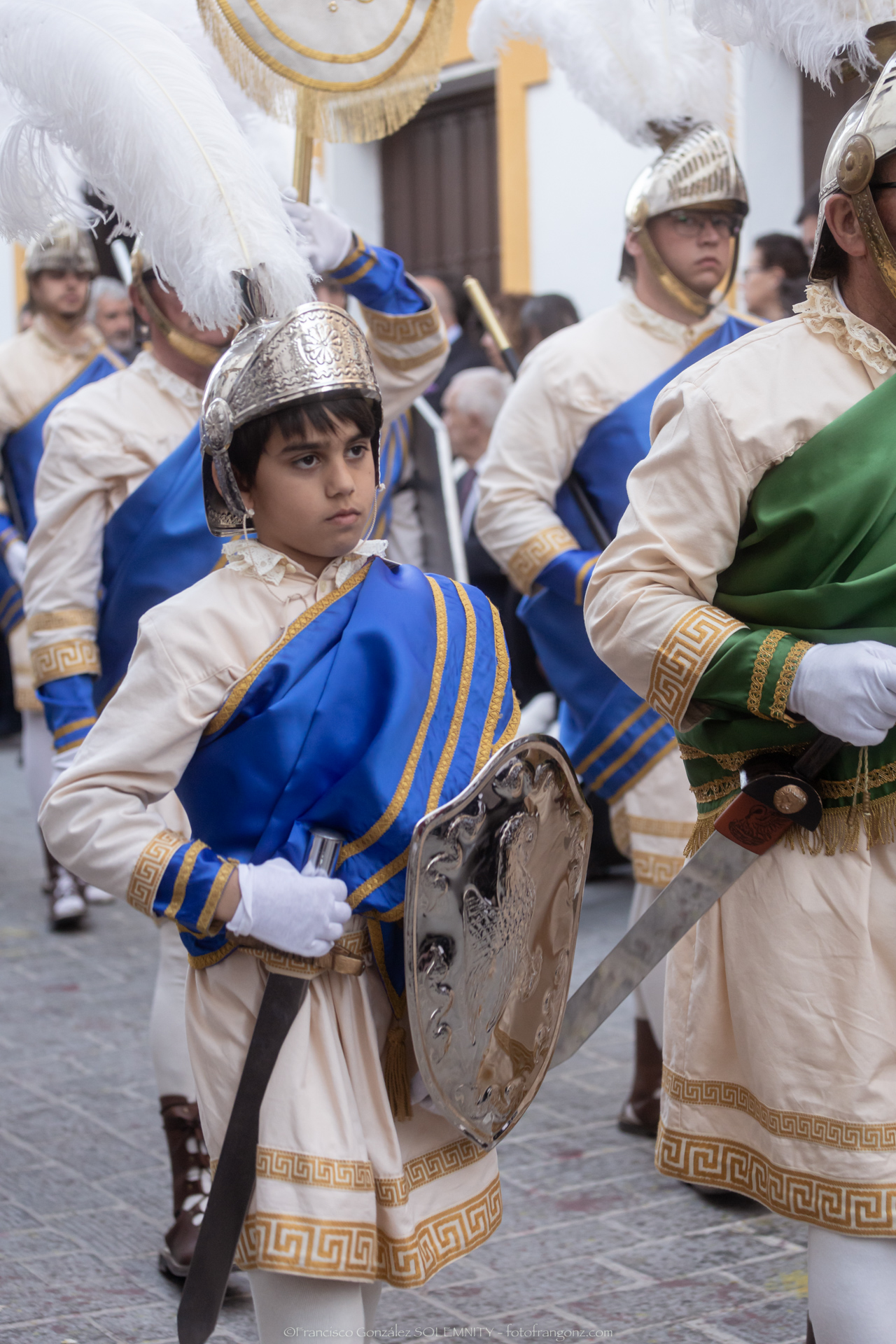
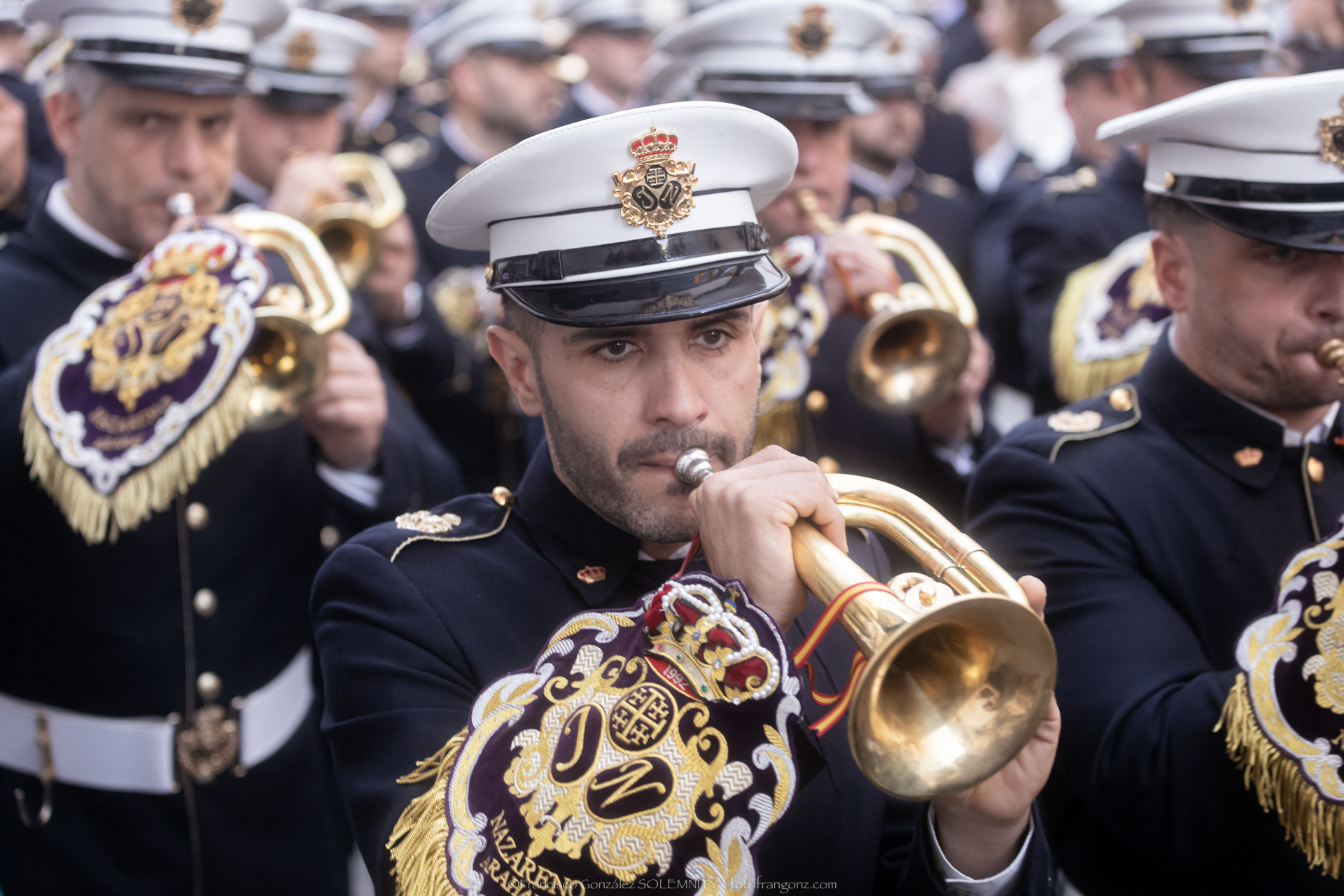
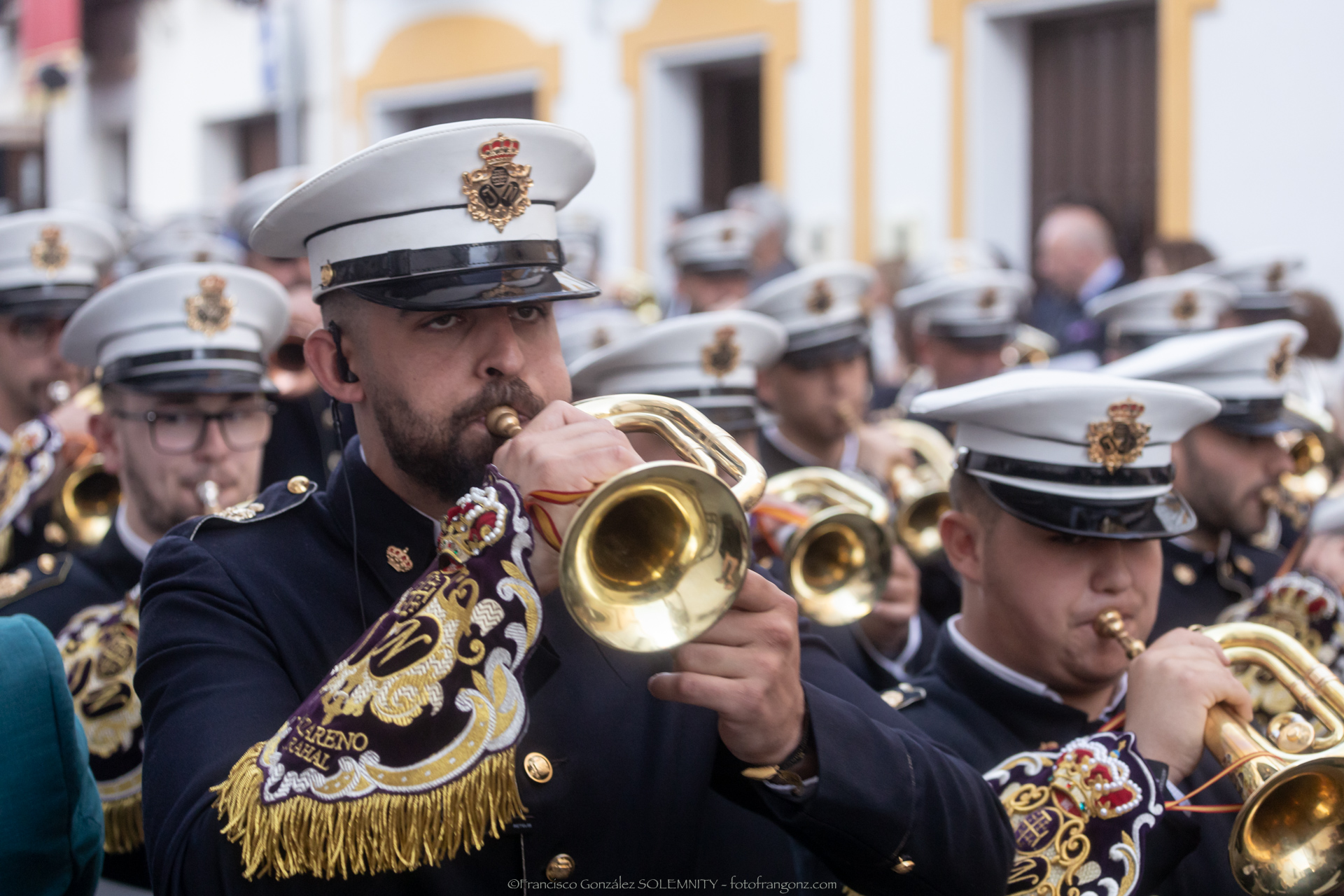
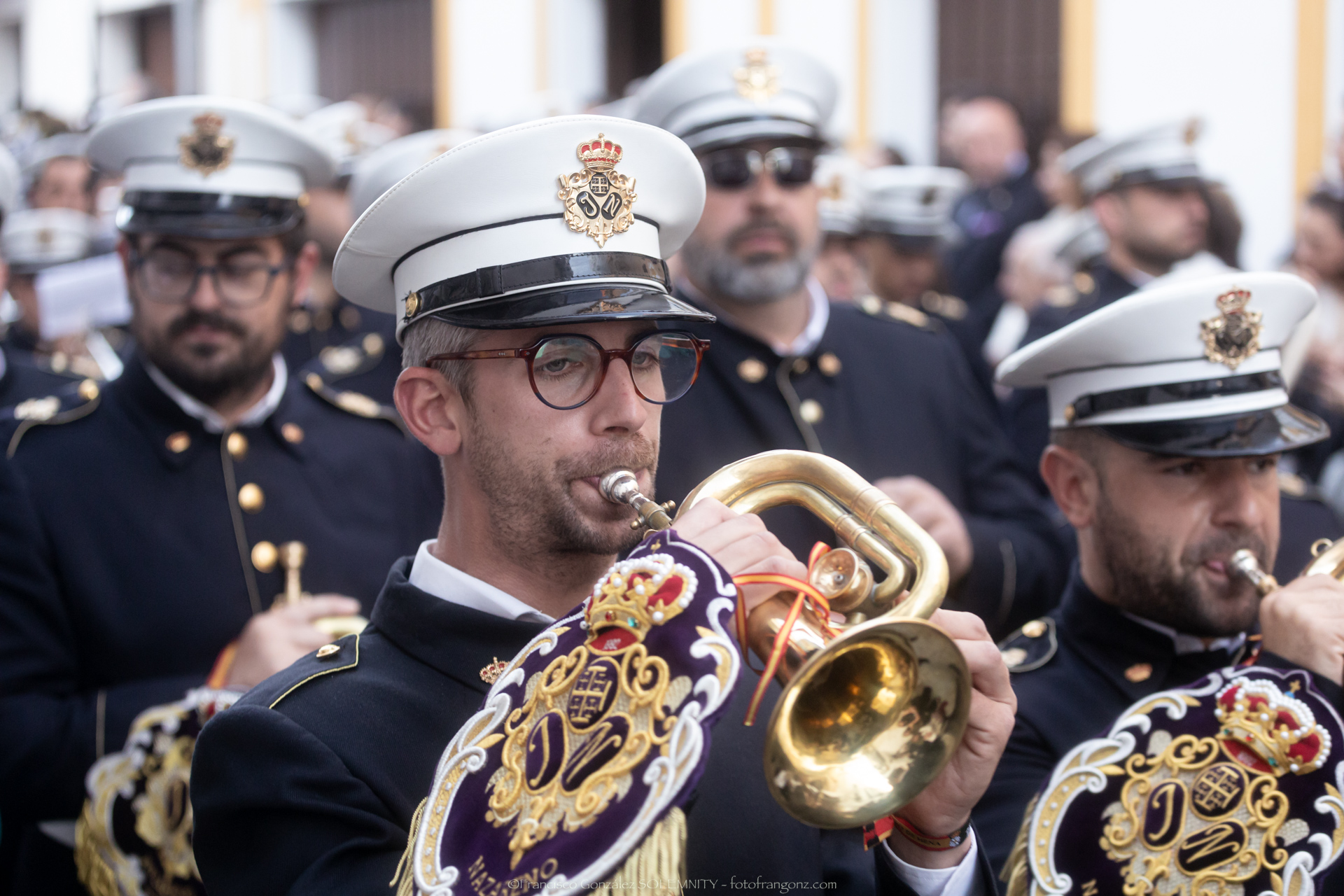
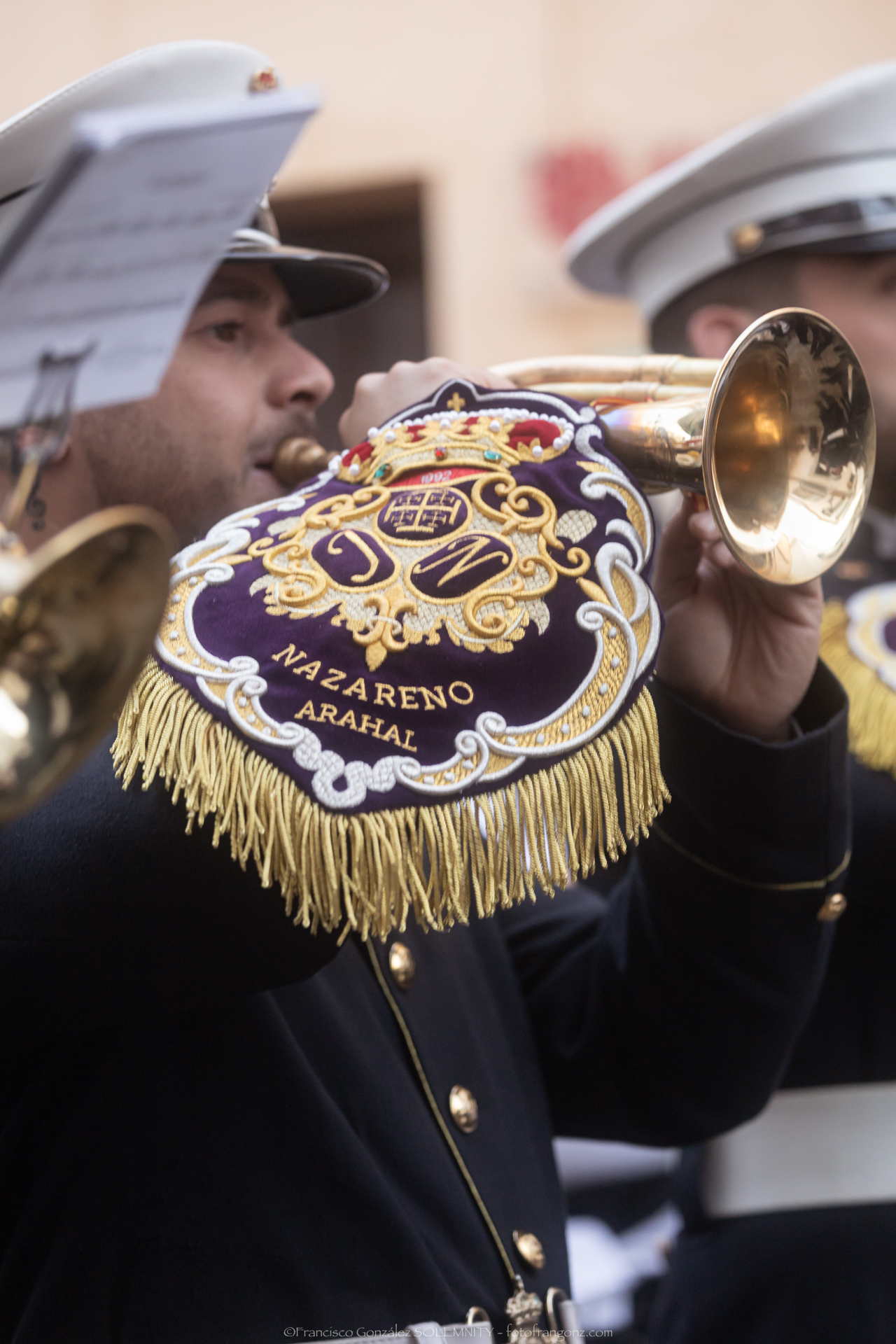
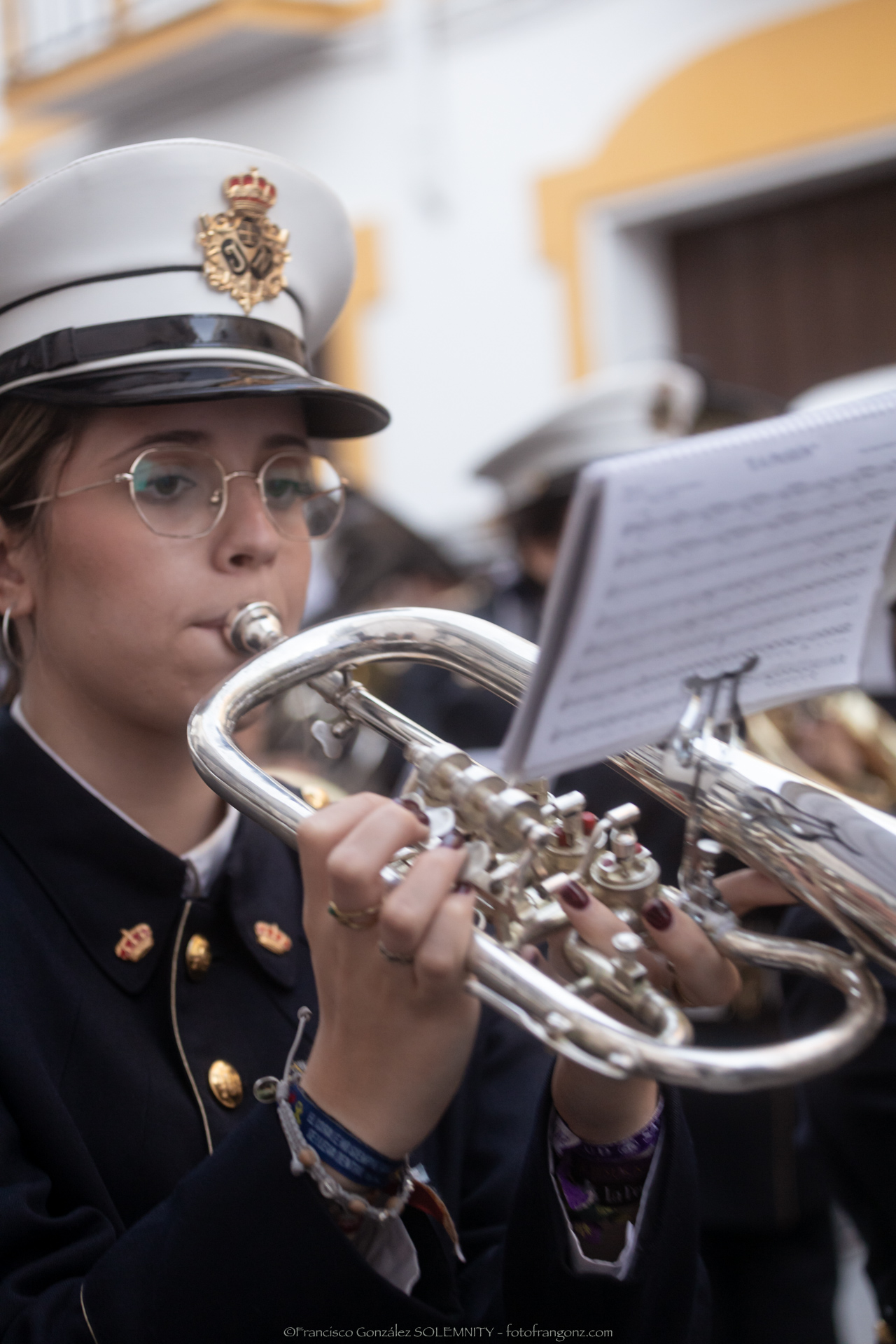
This year, the Santo Entierro unveiled a new bier, crafted by the brotherhood’s embroiderers under the direction of José Librero. The Centuria Romana, which escorts the float and represents the guards of Christ’s tomb who sought to prevent His body from being stolen, celebrated the 30th anniversary of its restoration. Following the women wearing mantillas, the Banda de Cornetas y Tambores del Nazareno de El Arahal (Sevilla) performed its marches. Antonio Calle made his debut as foreman of the Santo Entierro, succeeding Ramón Carmona (son) in the position.
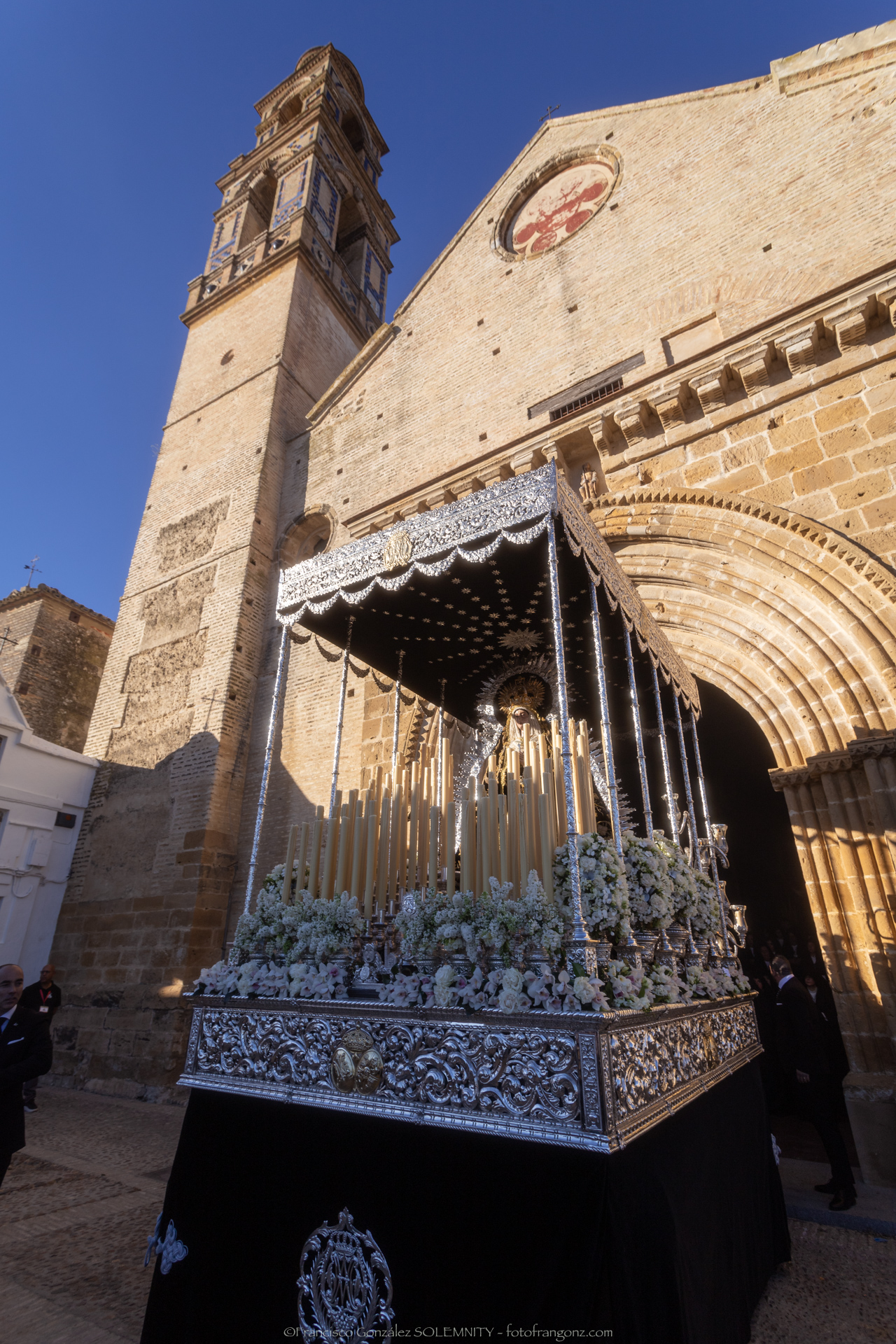
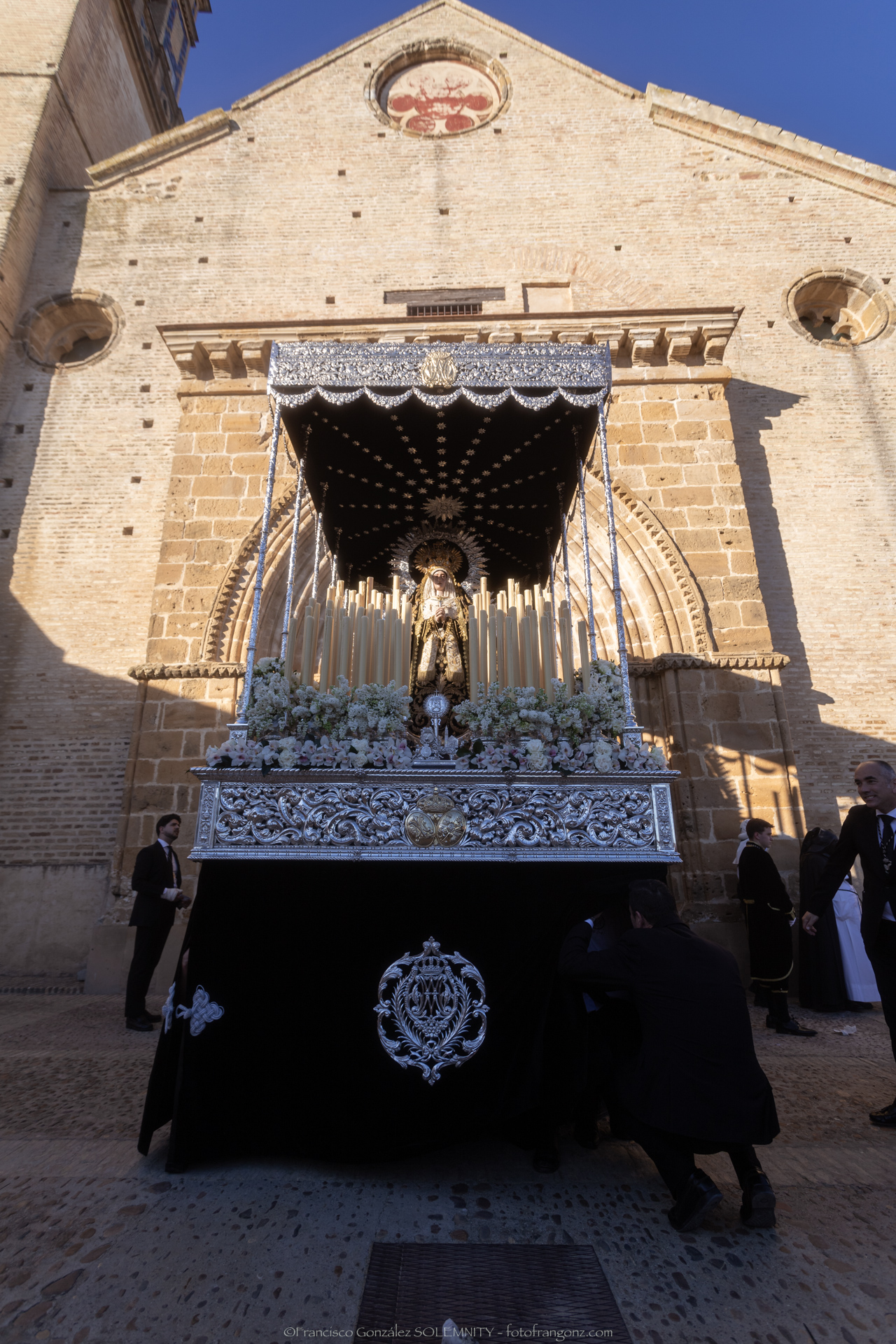
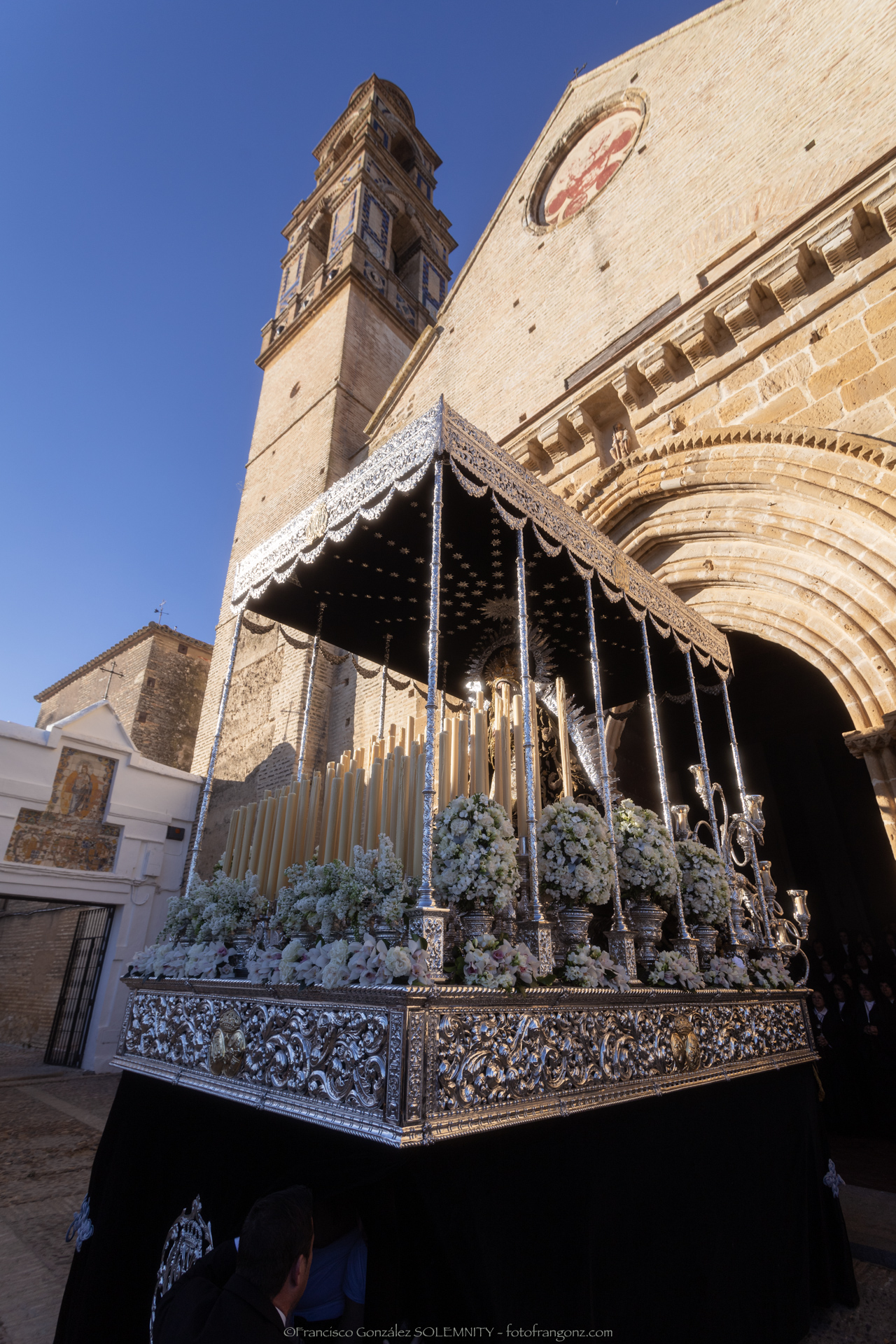
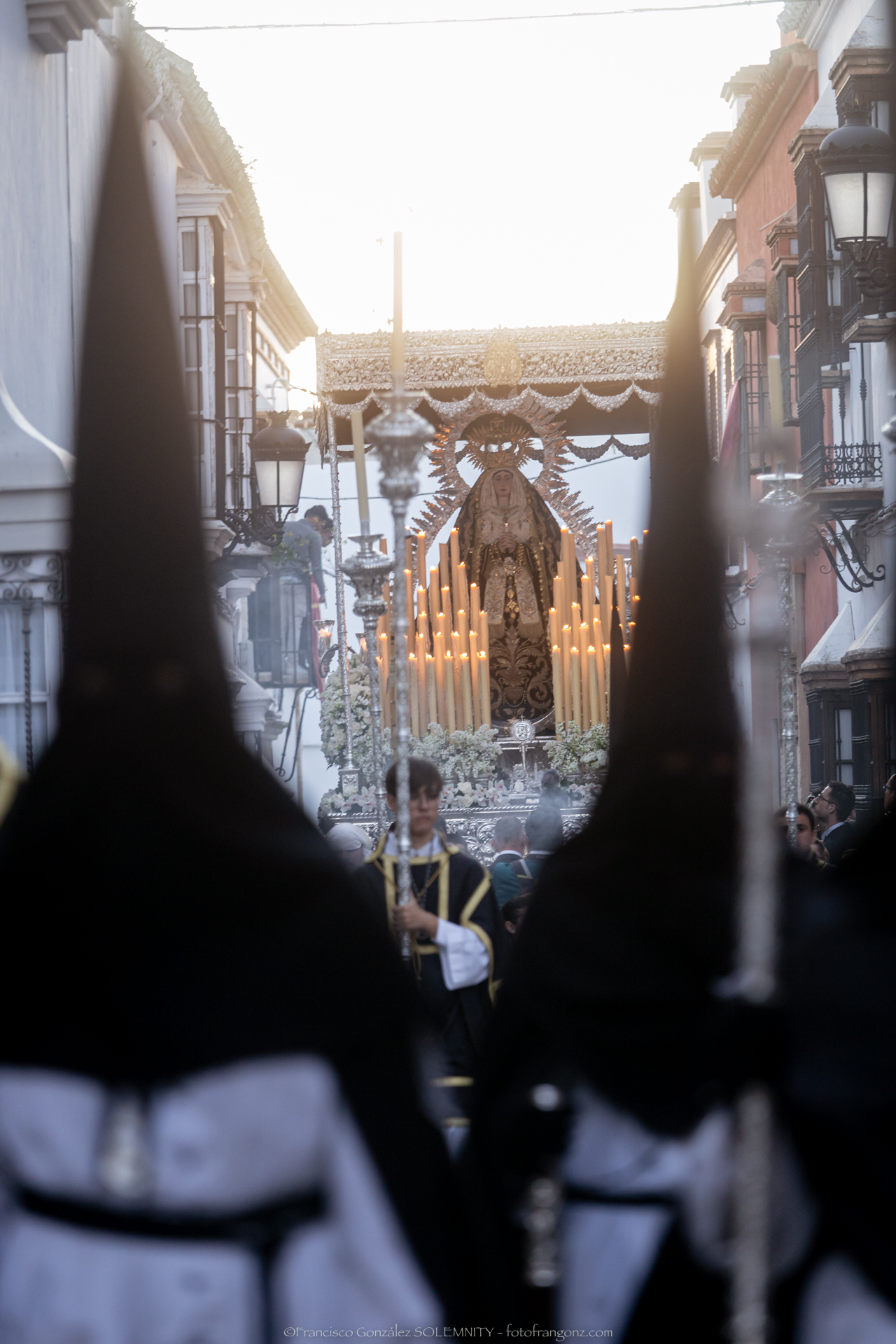
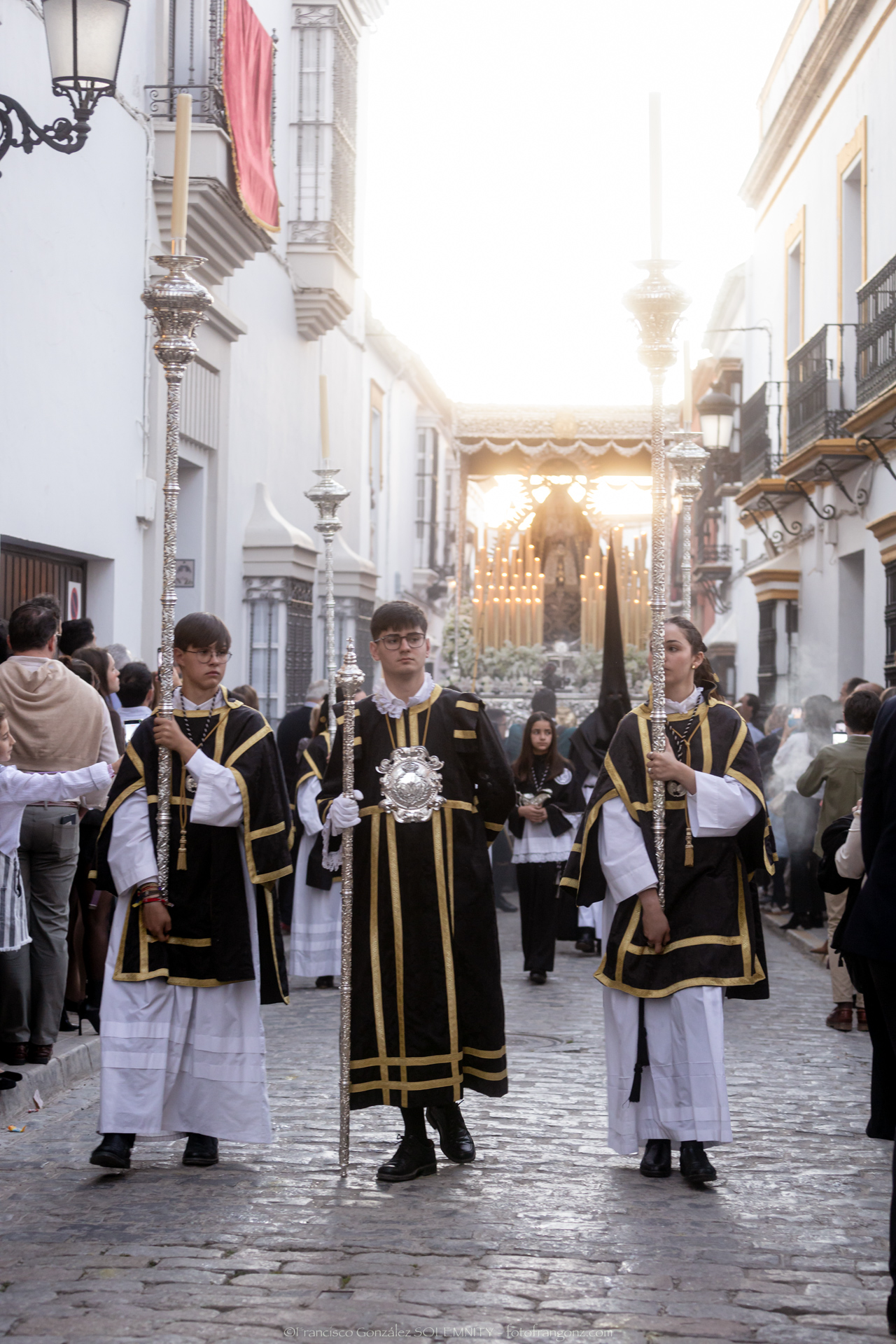
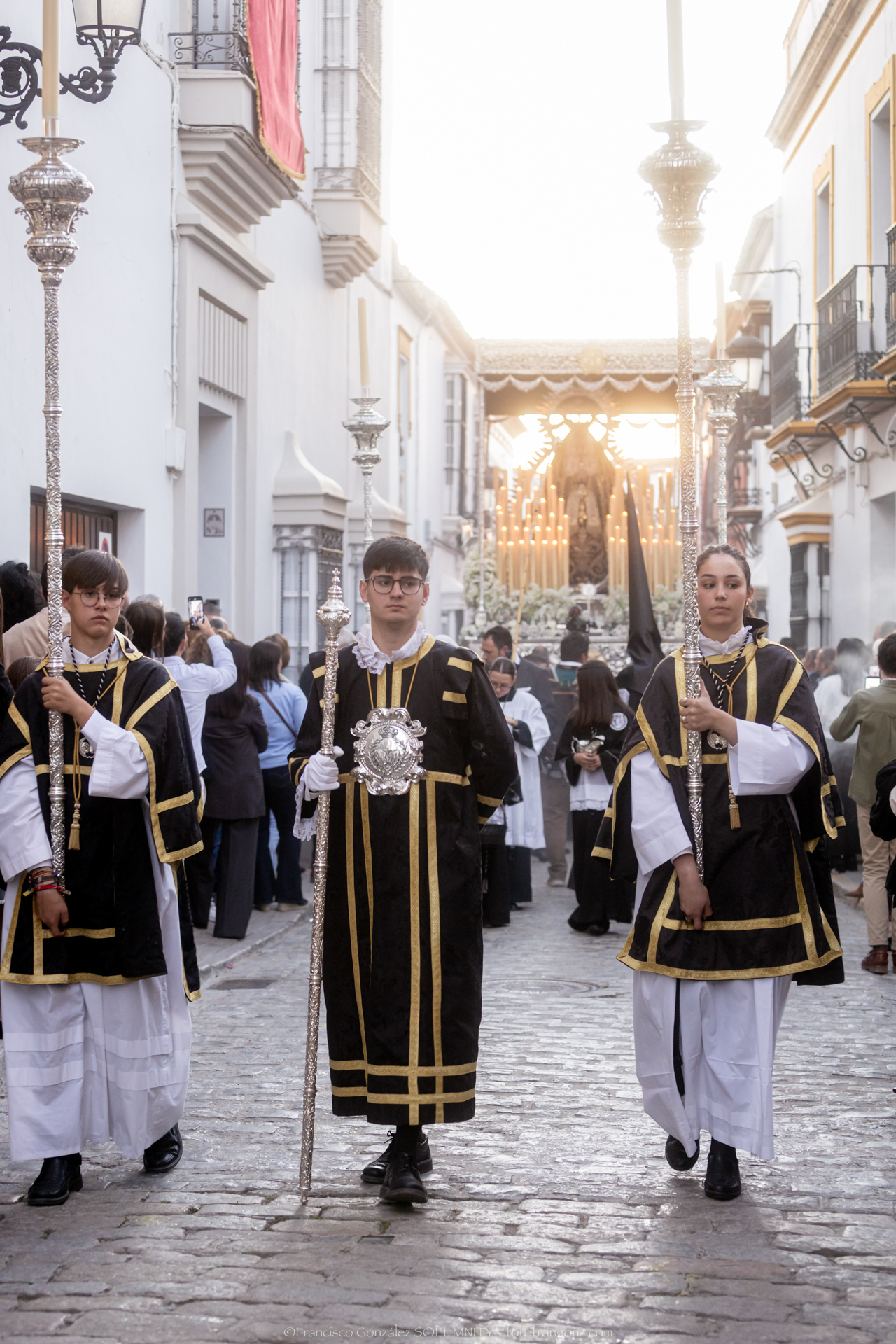
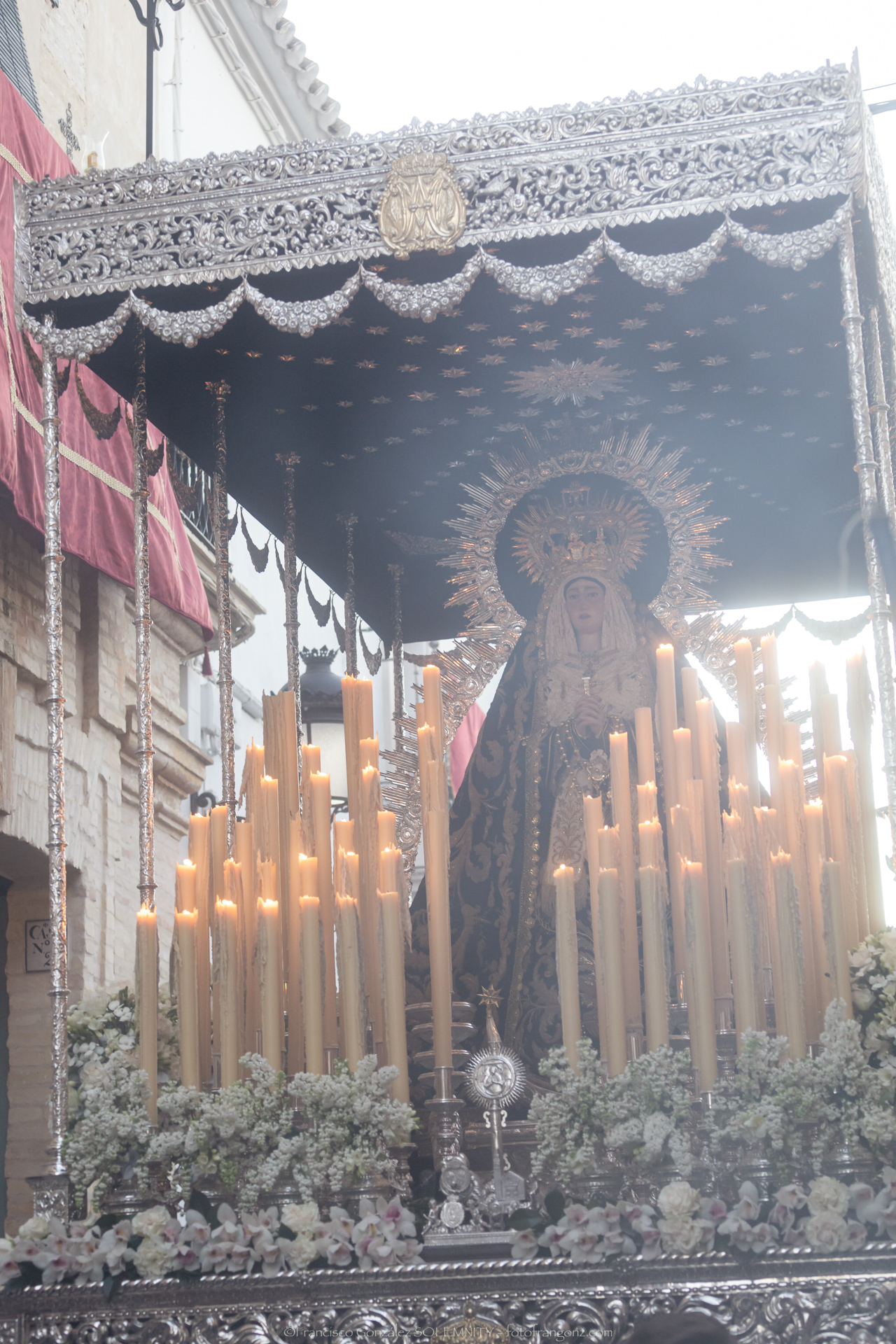
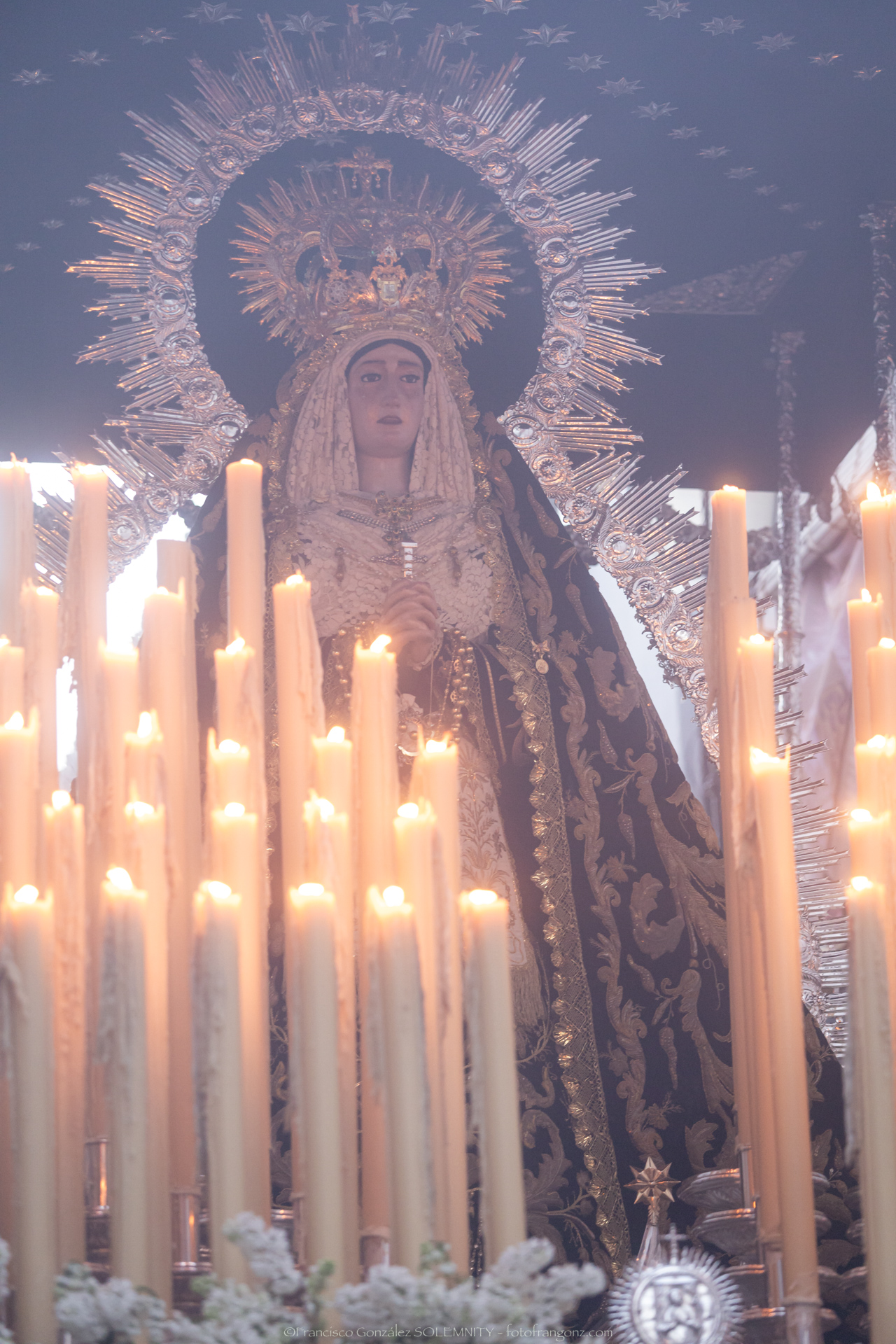
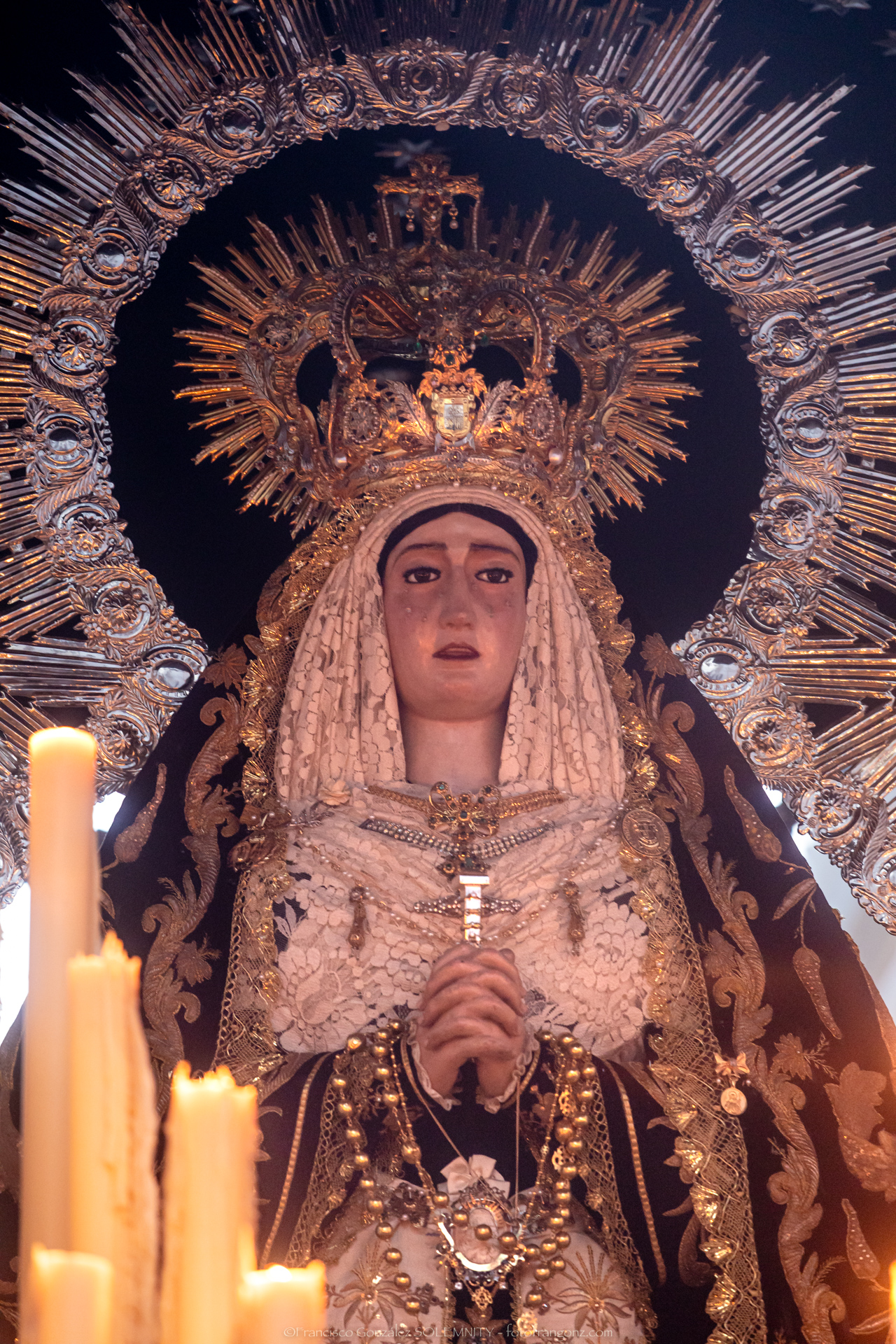
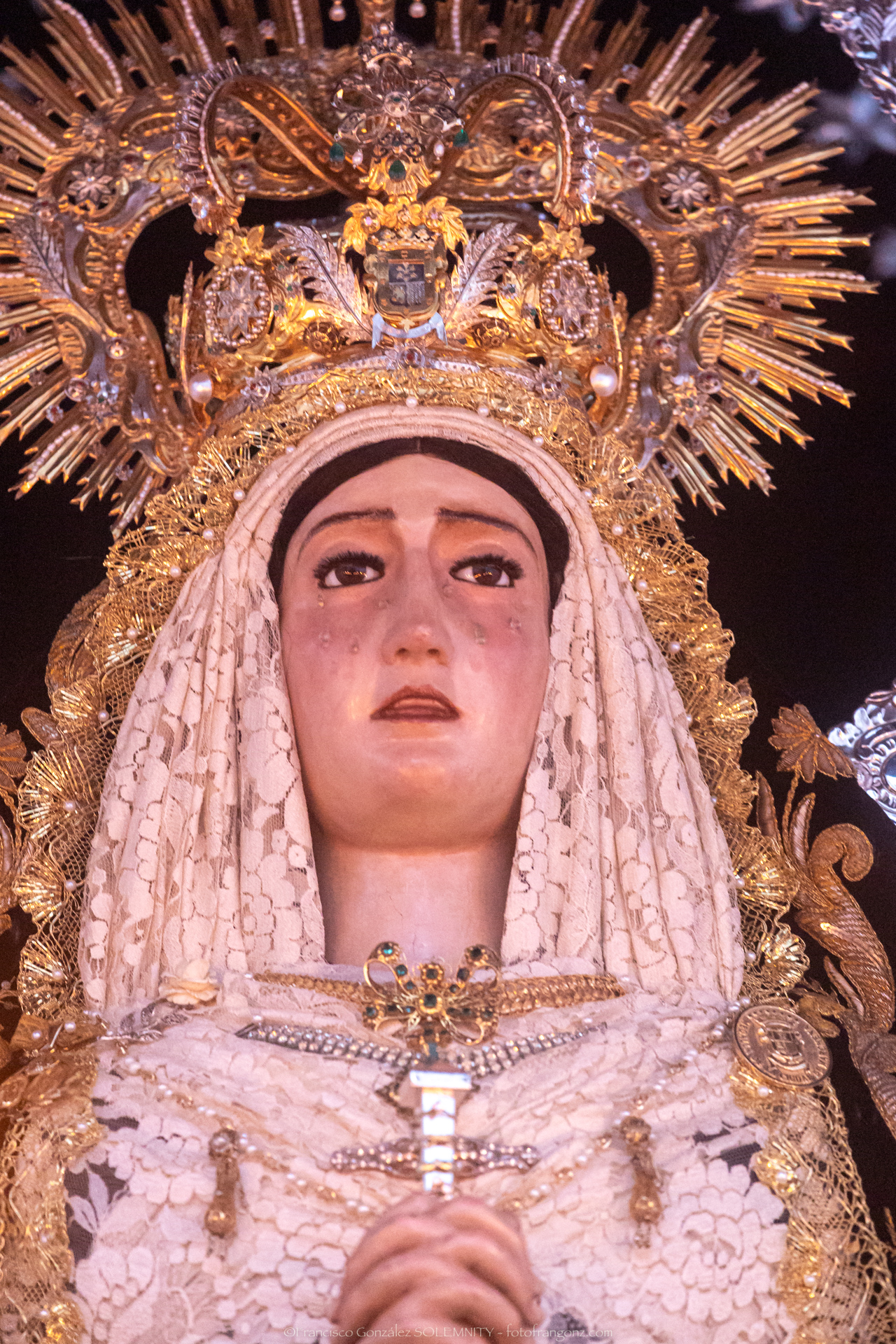
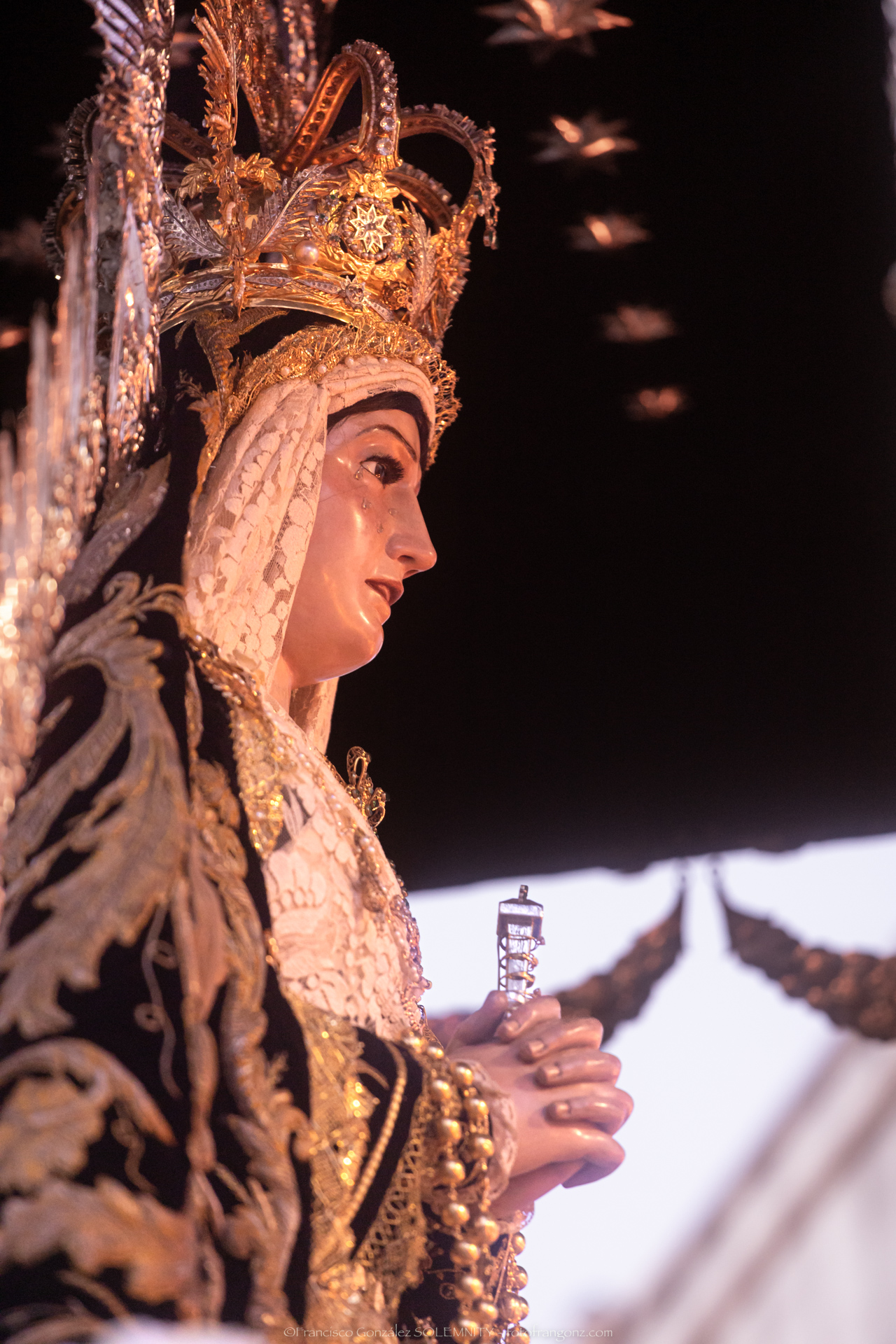
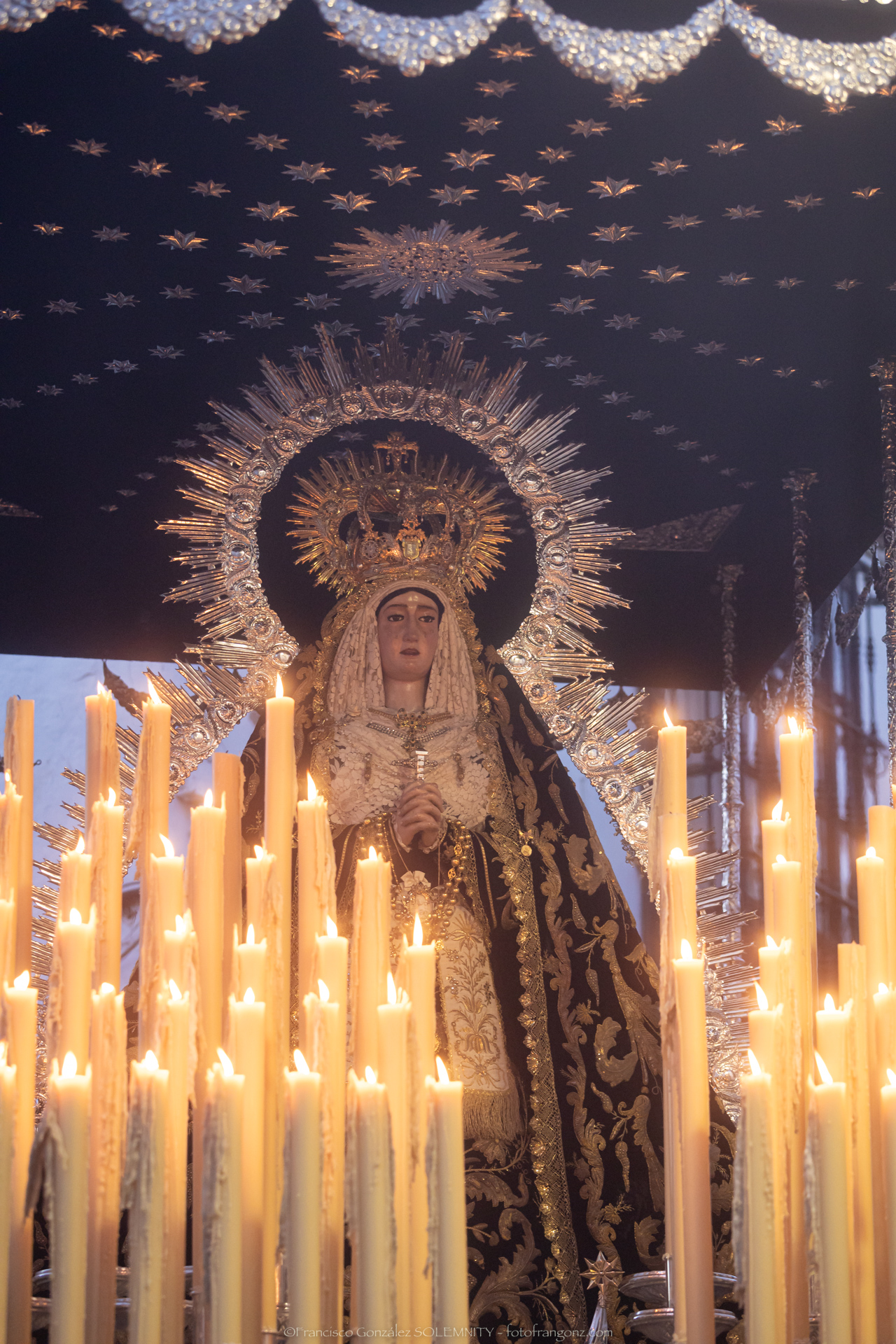
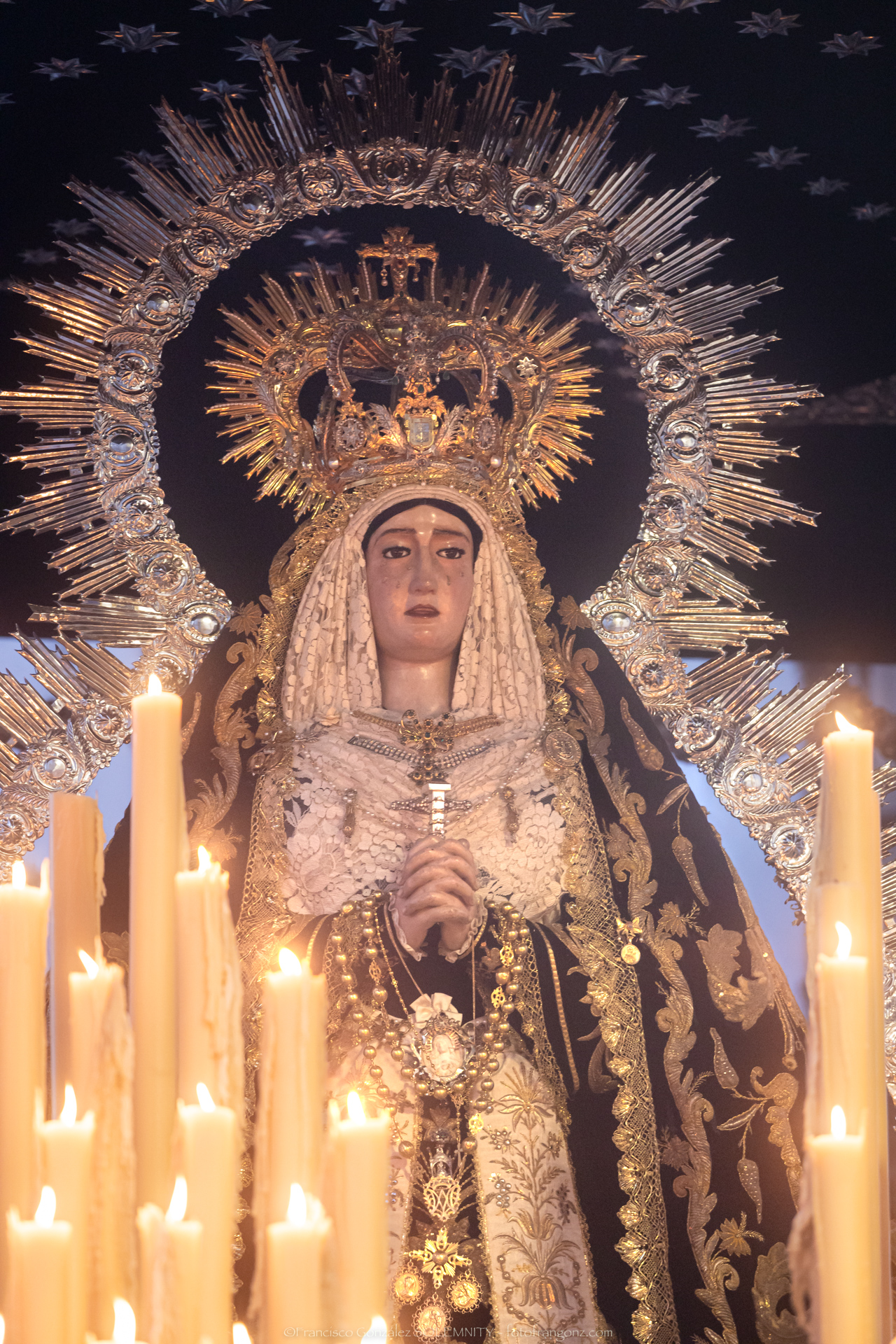
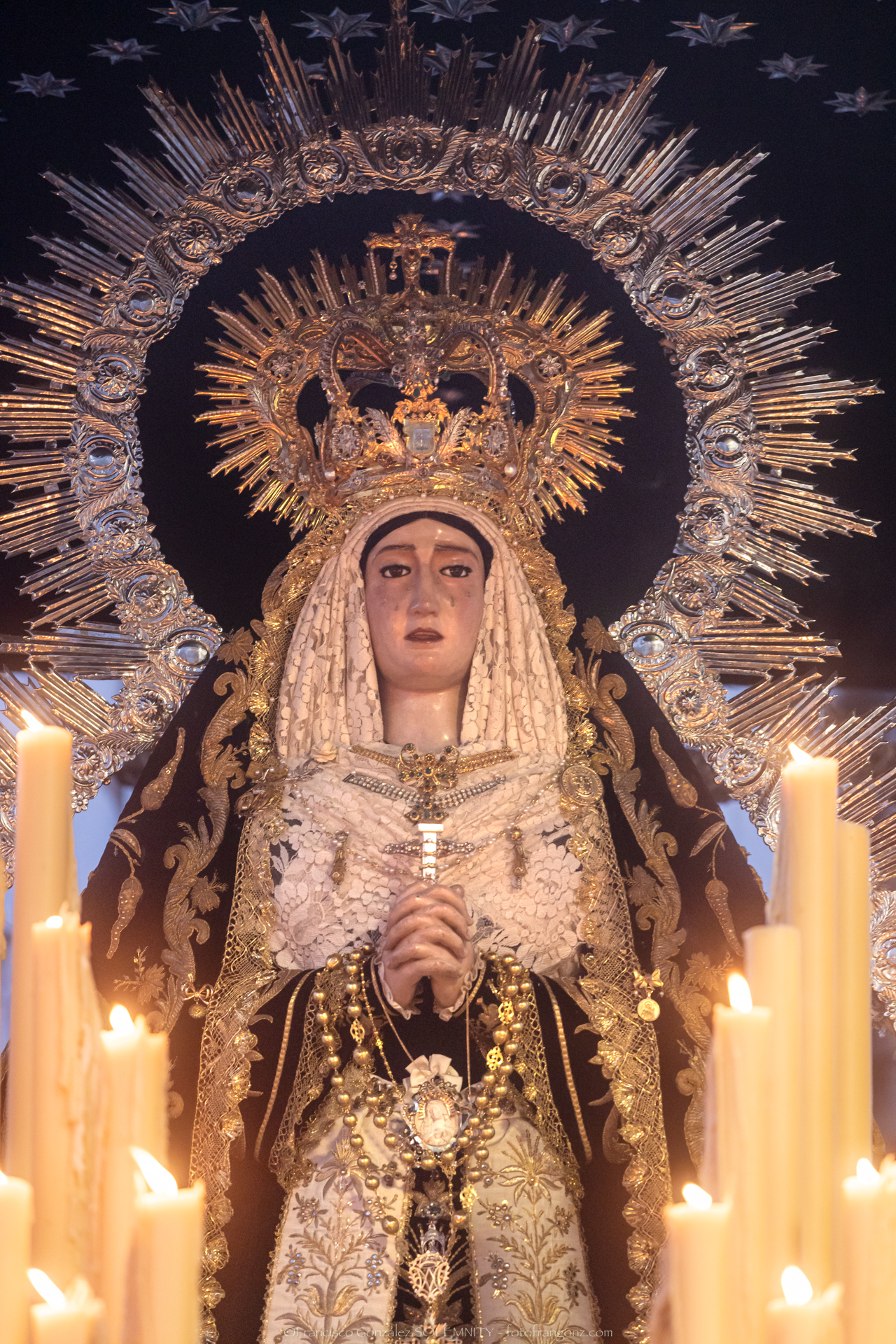
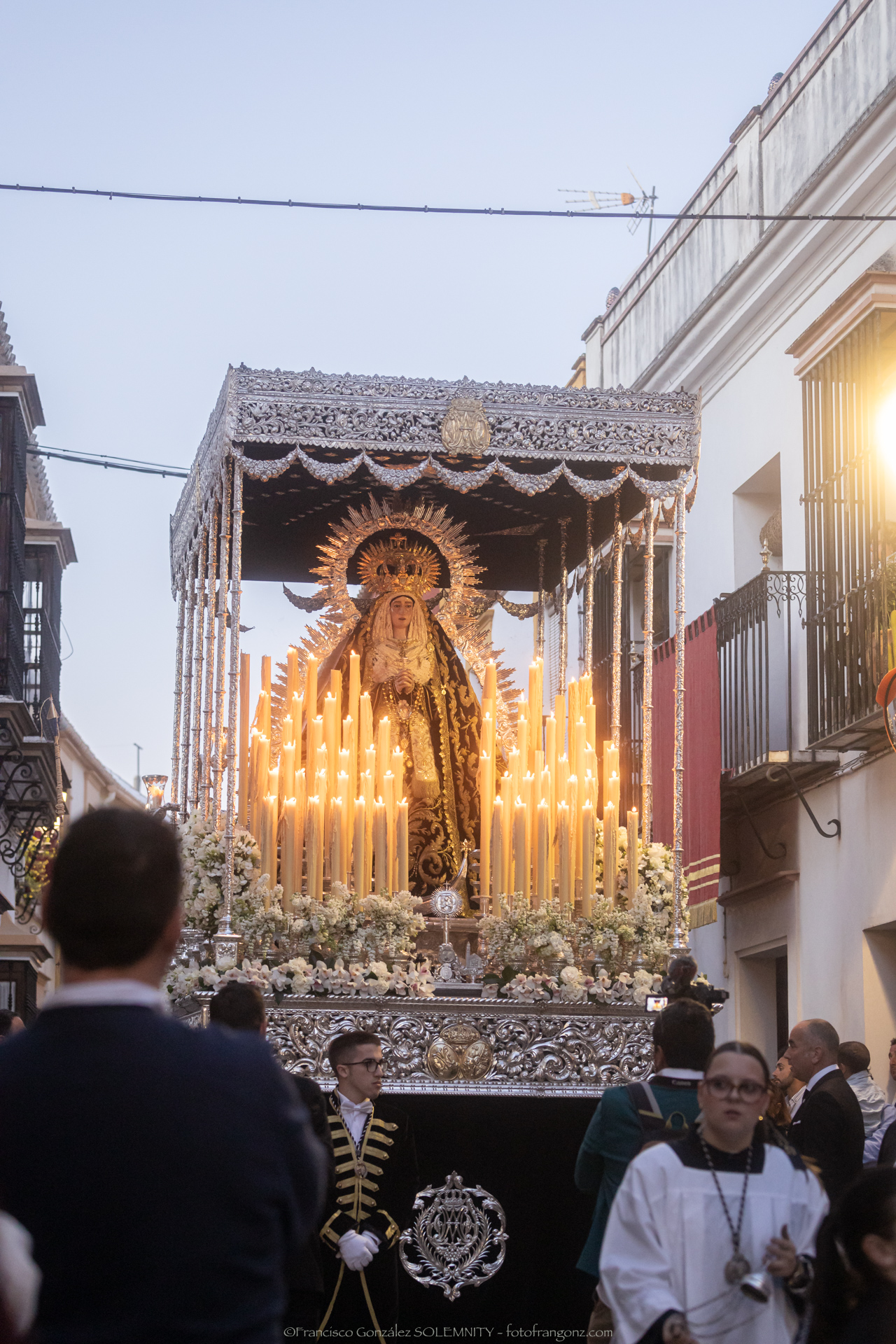
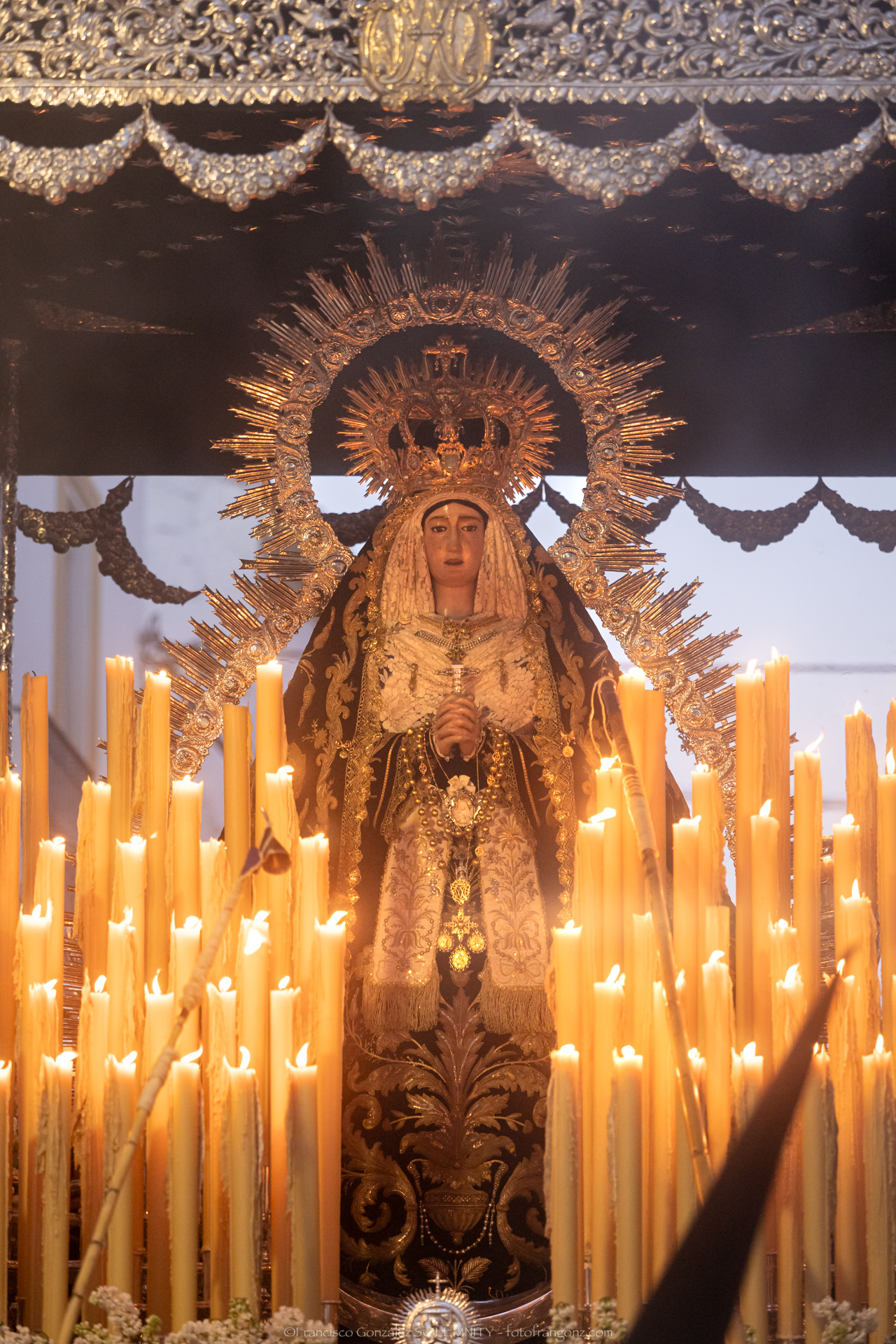
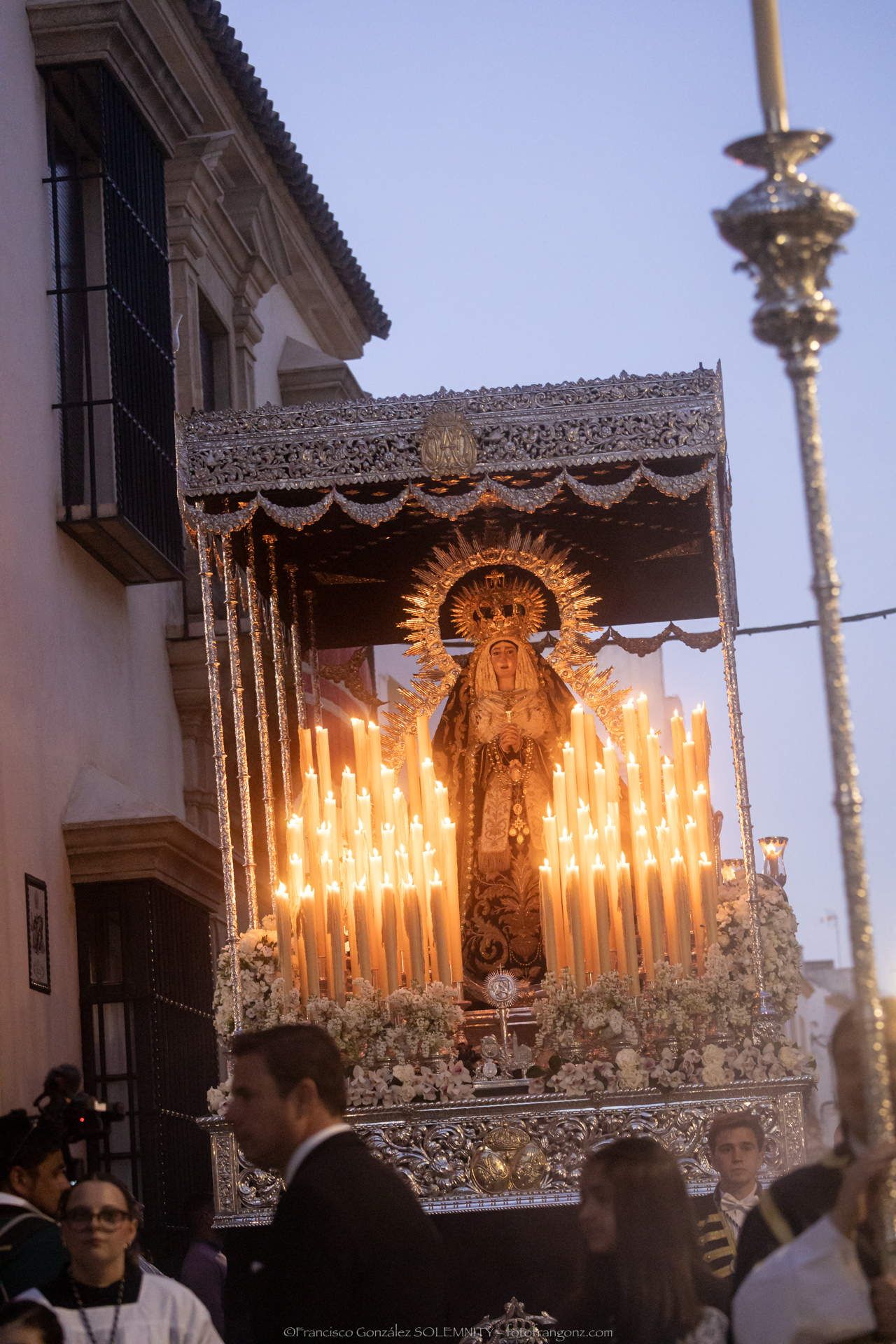
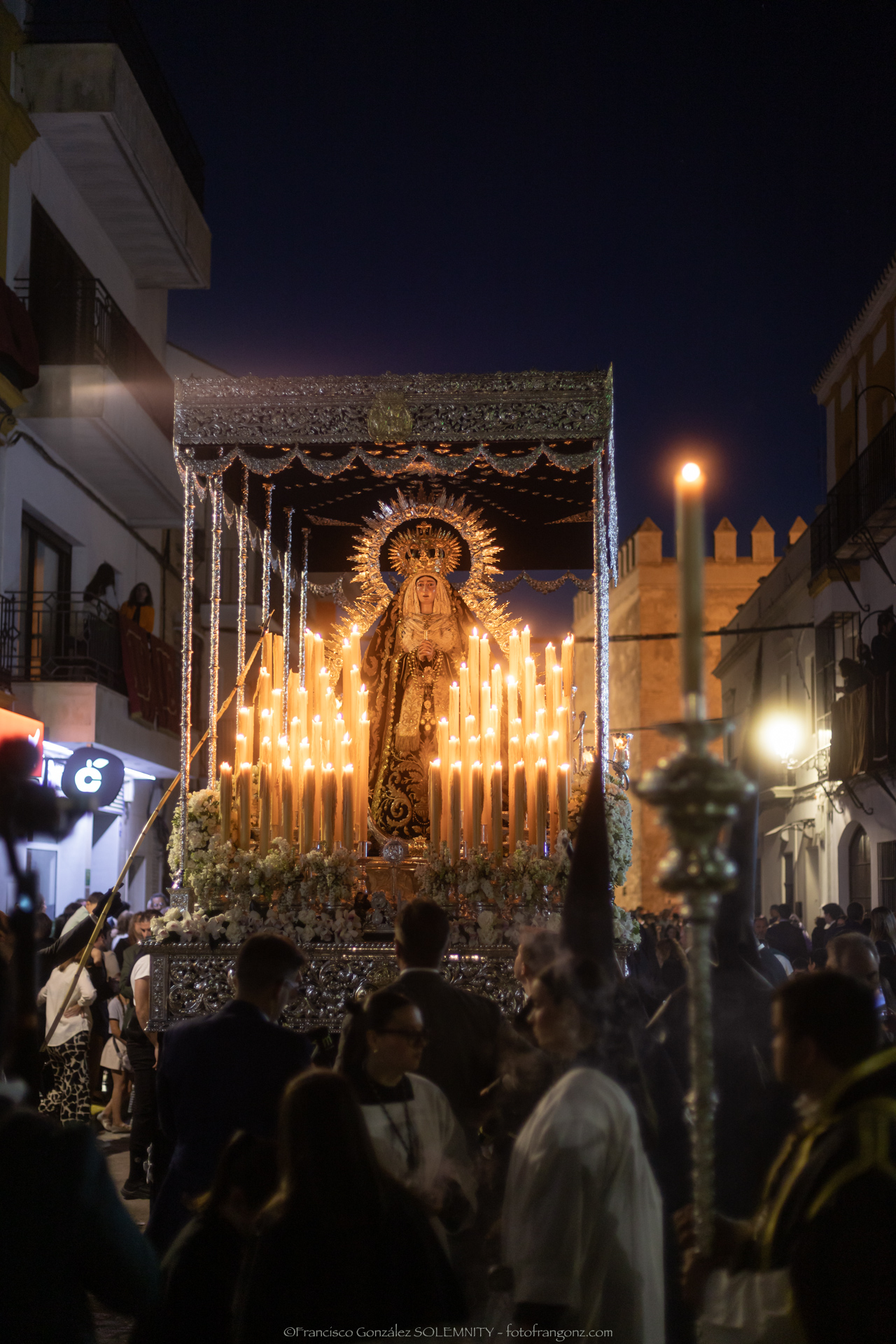
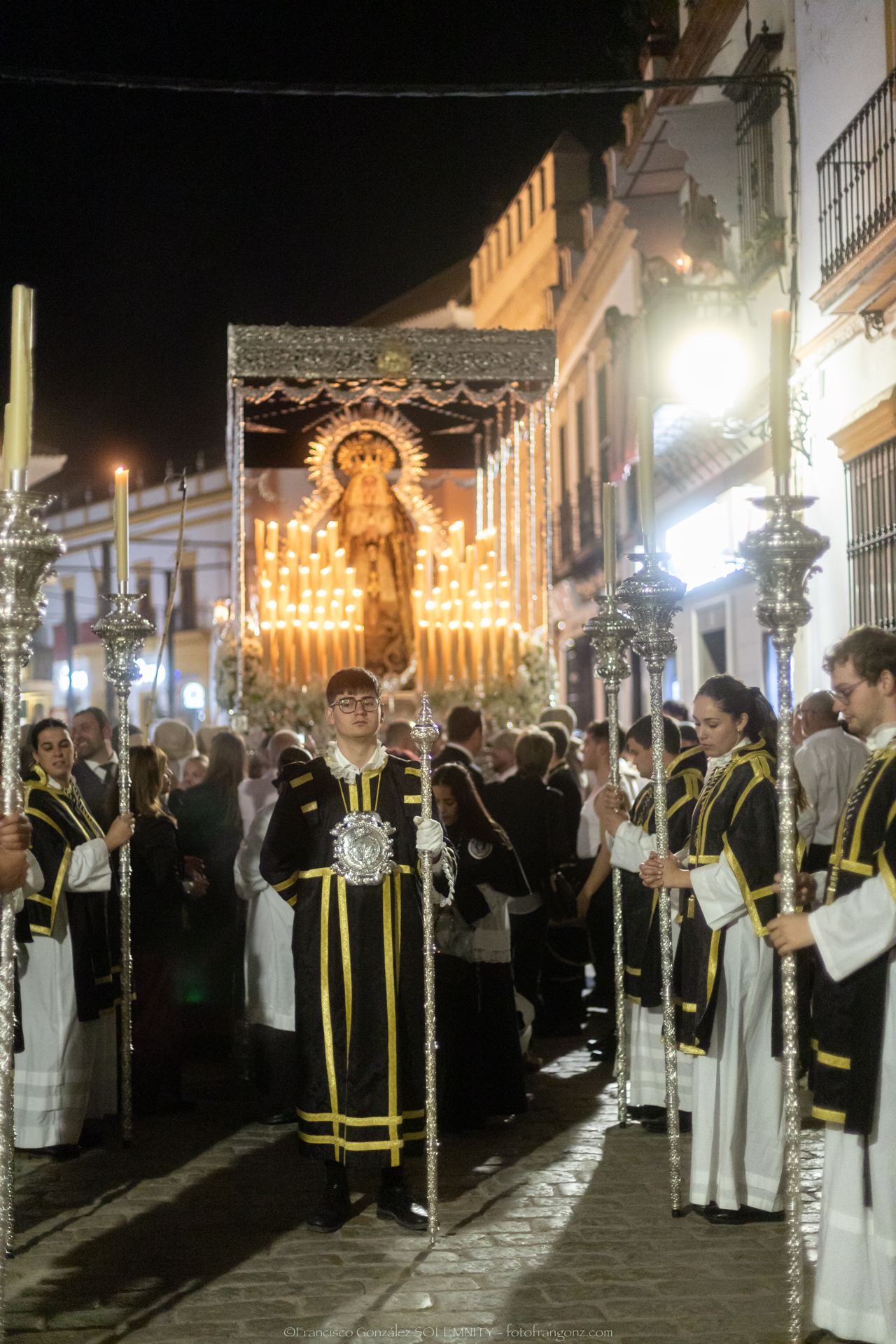
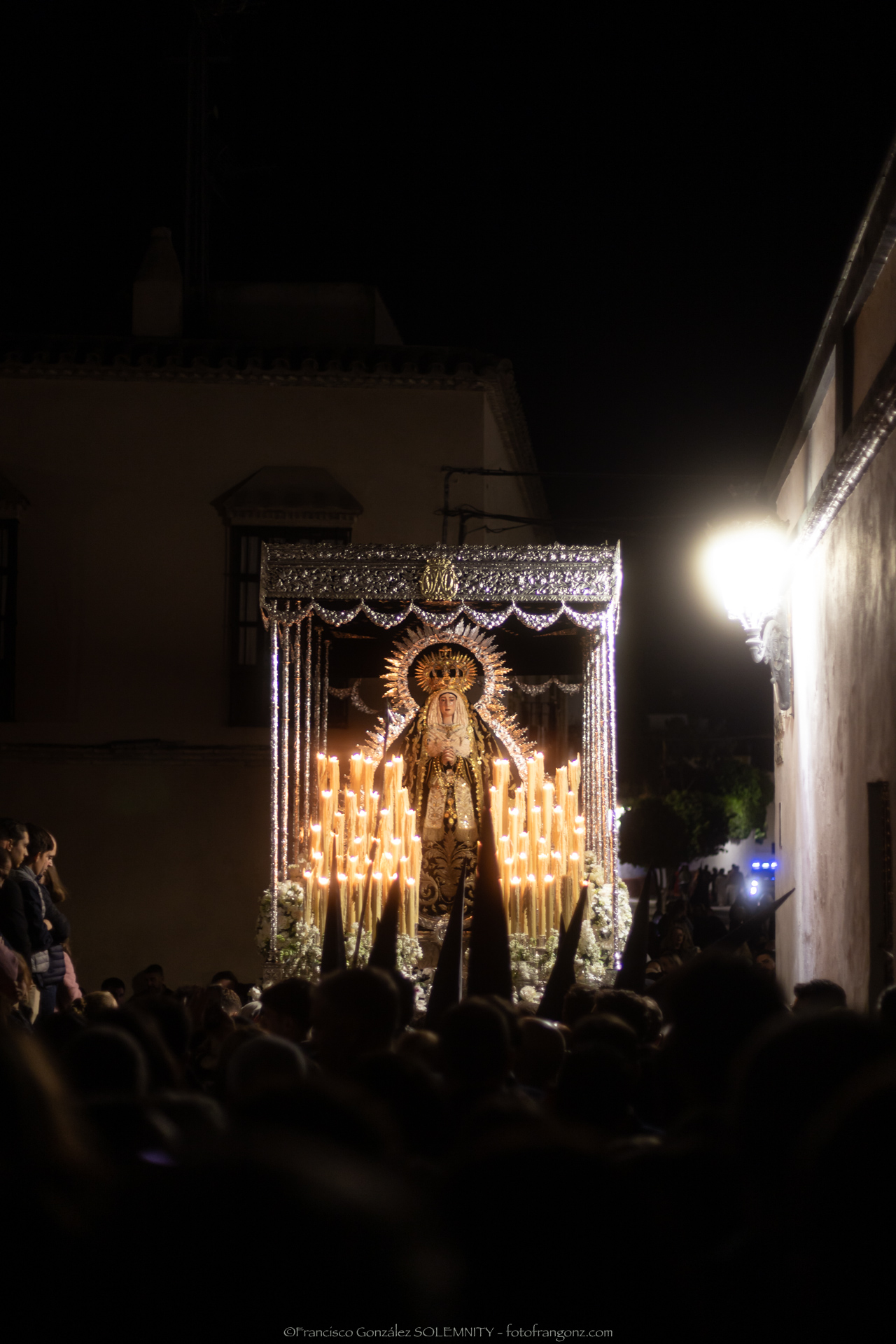
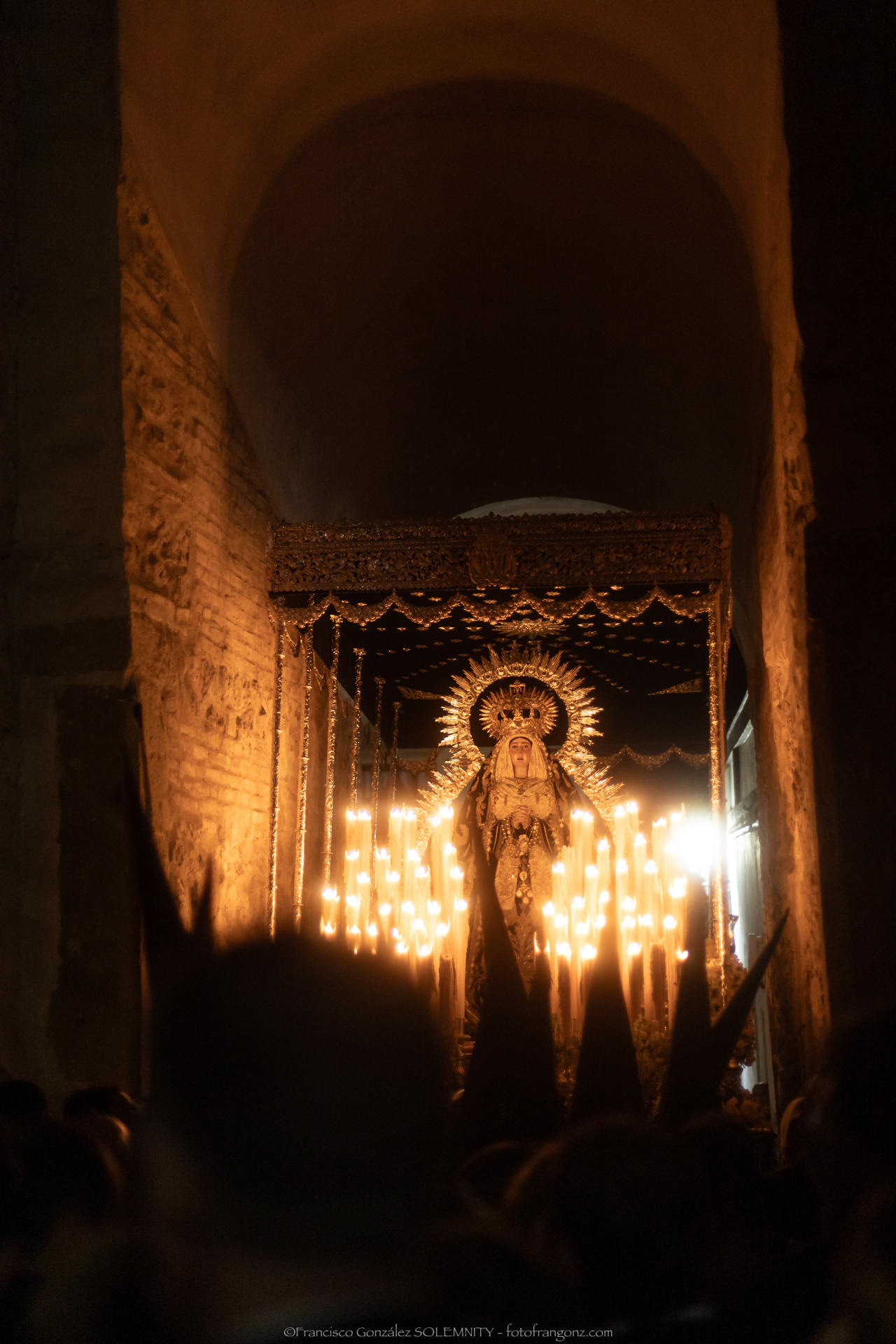
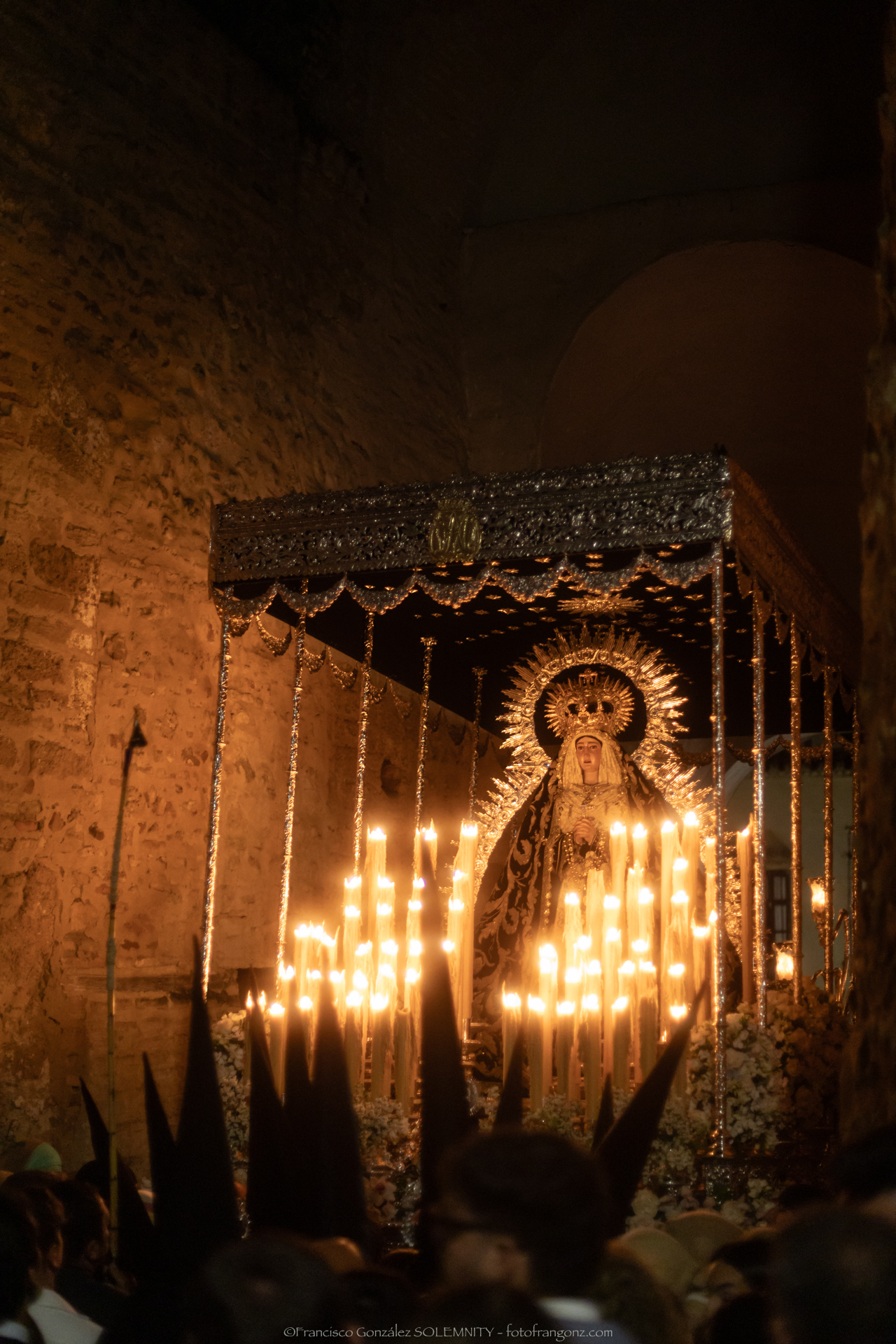
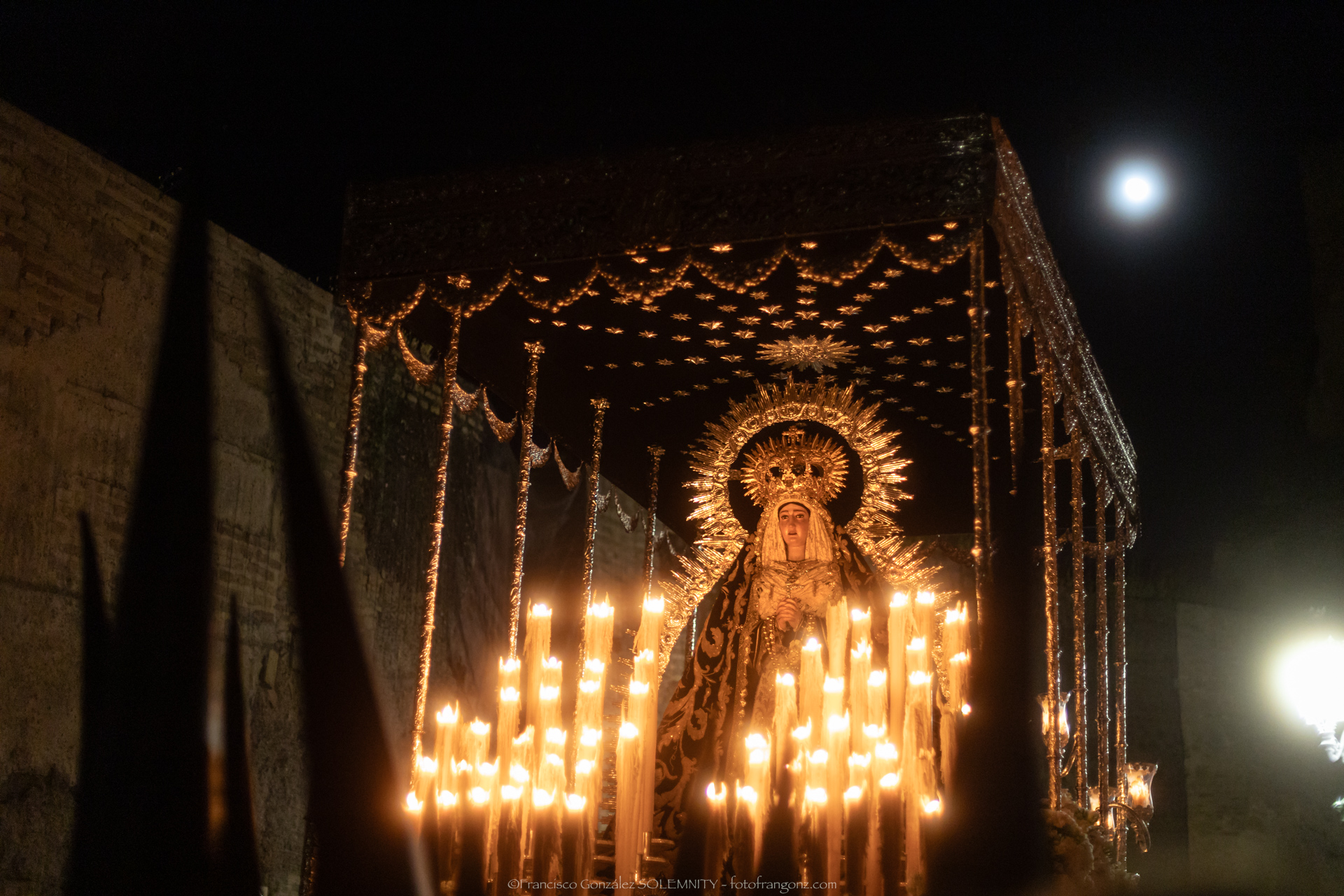
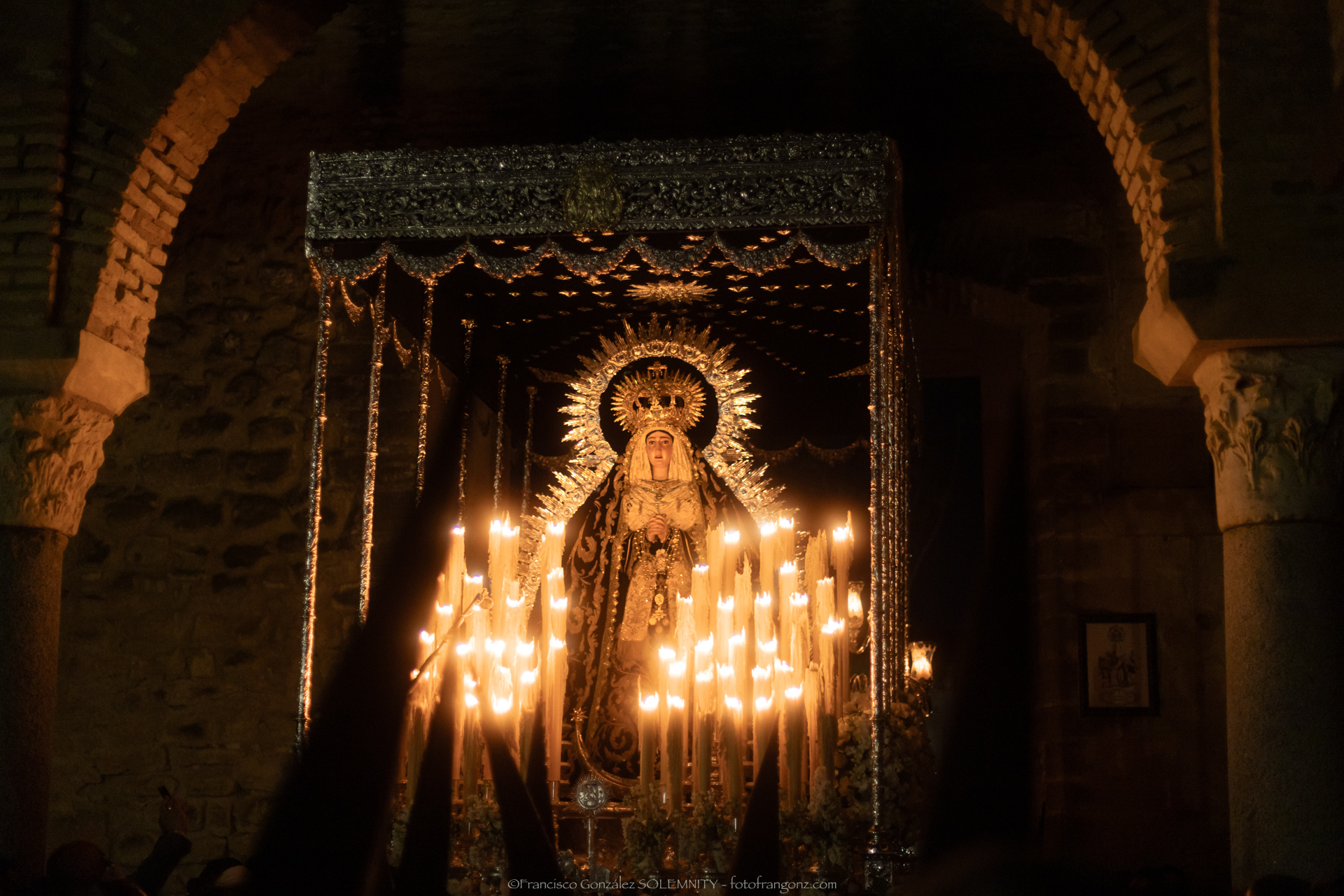
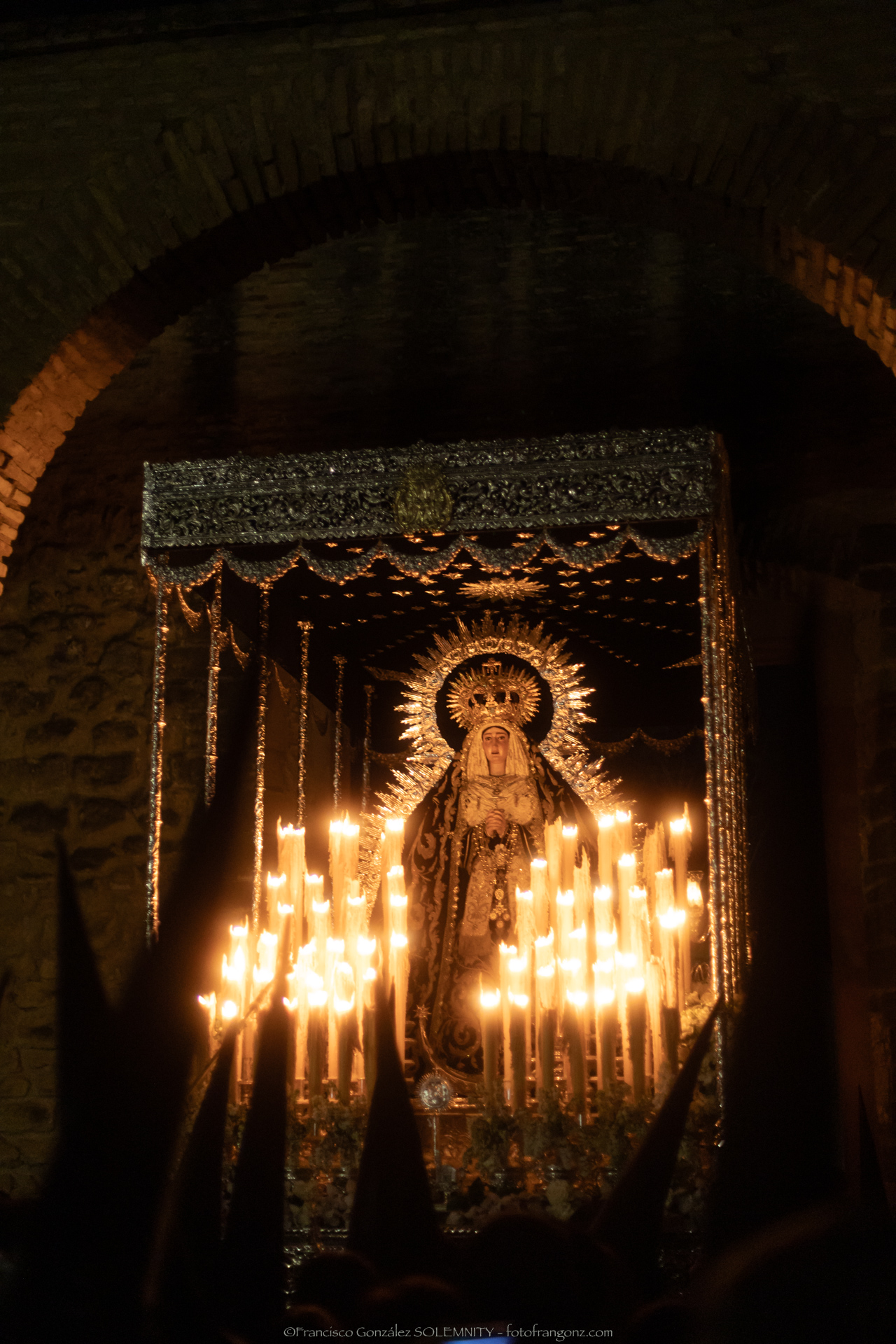
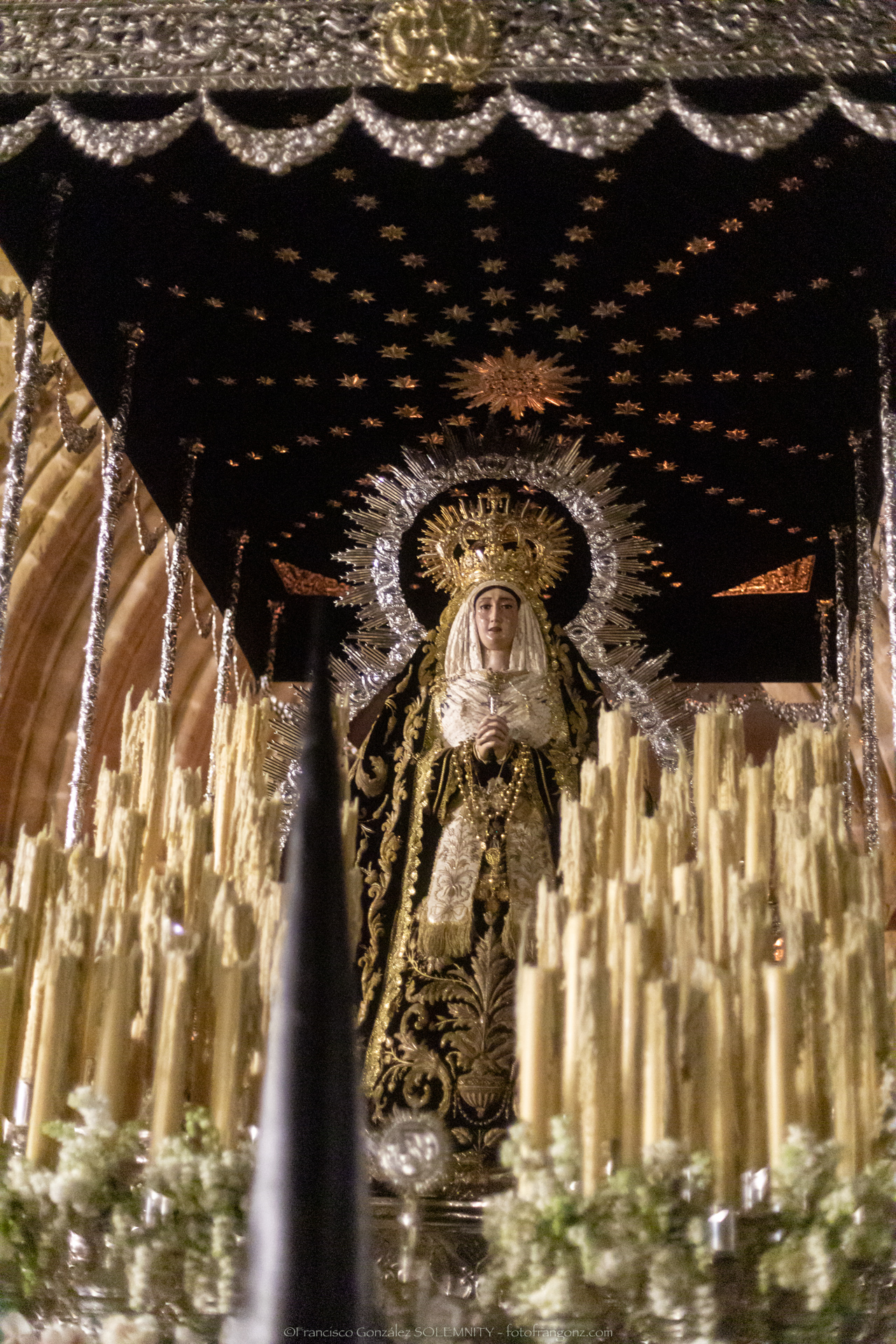
Nuestra Señora y Madre de la Soledad Coronada is the “Lady and Mother of Marchena” and represents the deepest and most deeply rooted Marian devotion of the town. It is commonly said that, although every resident of Marchena has their own particular devotion, “a little of the Soledad belongs to all of us.” She was Canonically Crowned in September 2024, an event that kept the “Queen of Marchena” in the streets for sixteen consecutive hours. This year, she carried her star-studded canopy and a very distinctive and striking floral decoration.
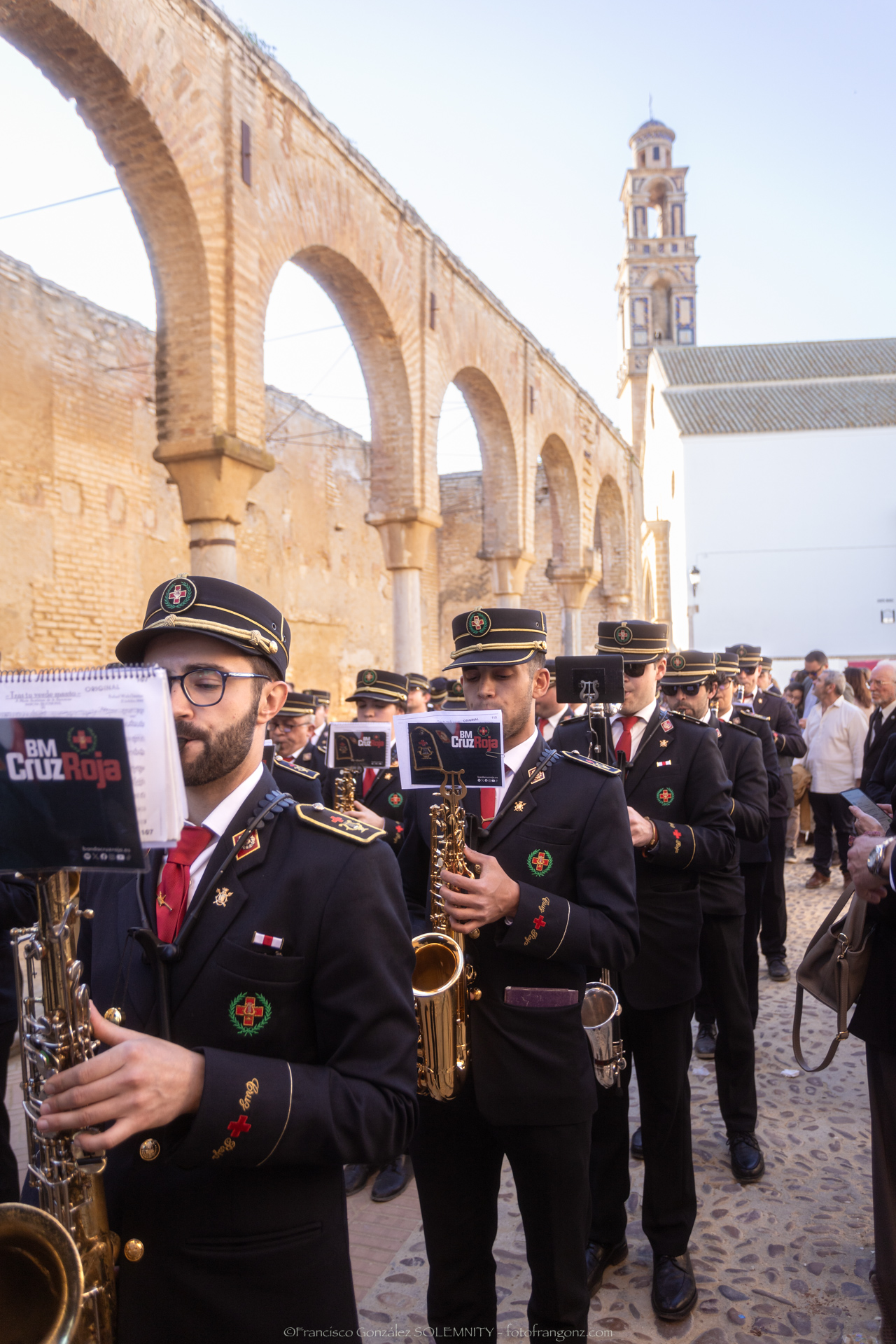
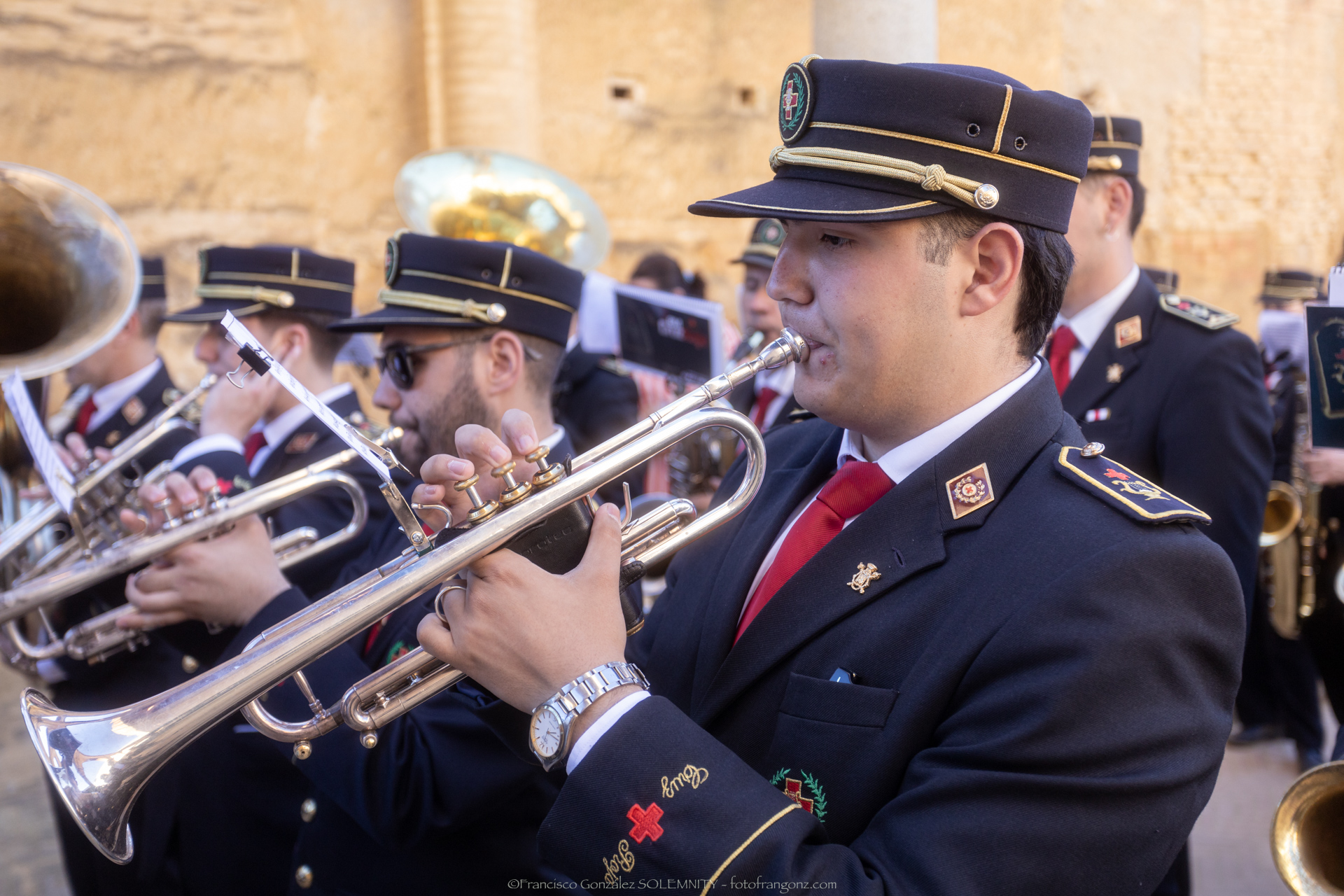
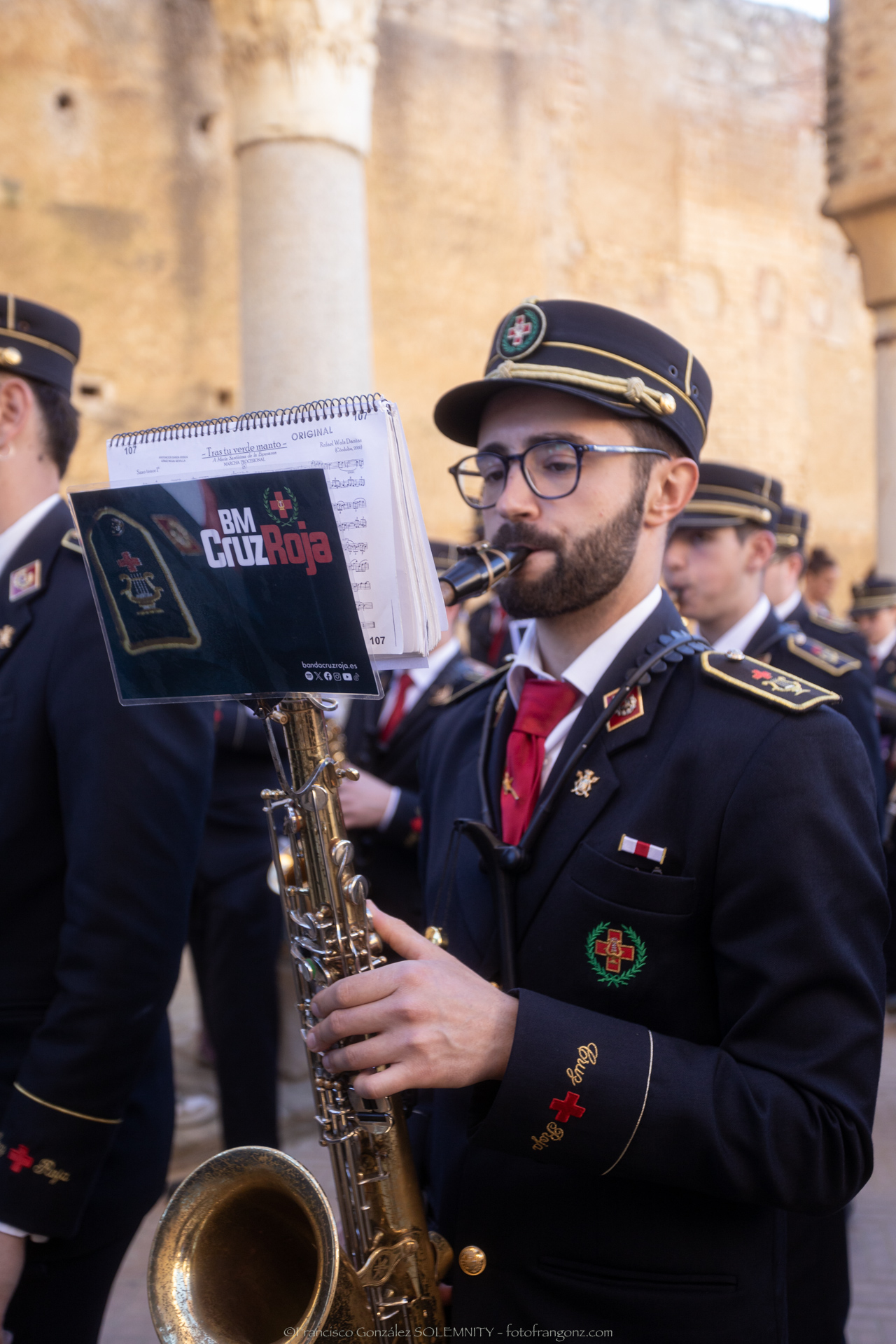
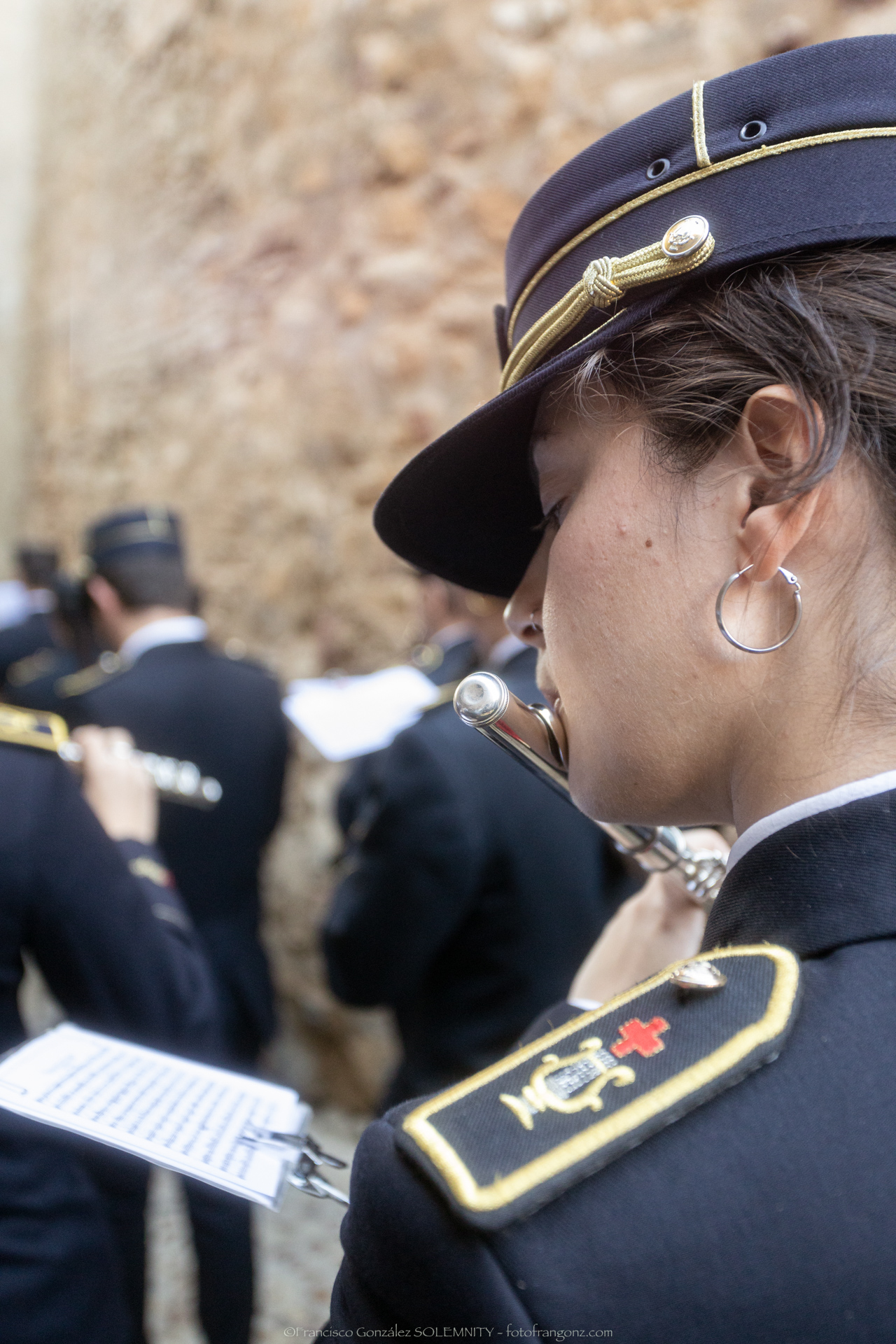
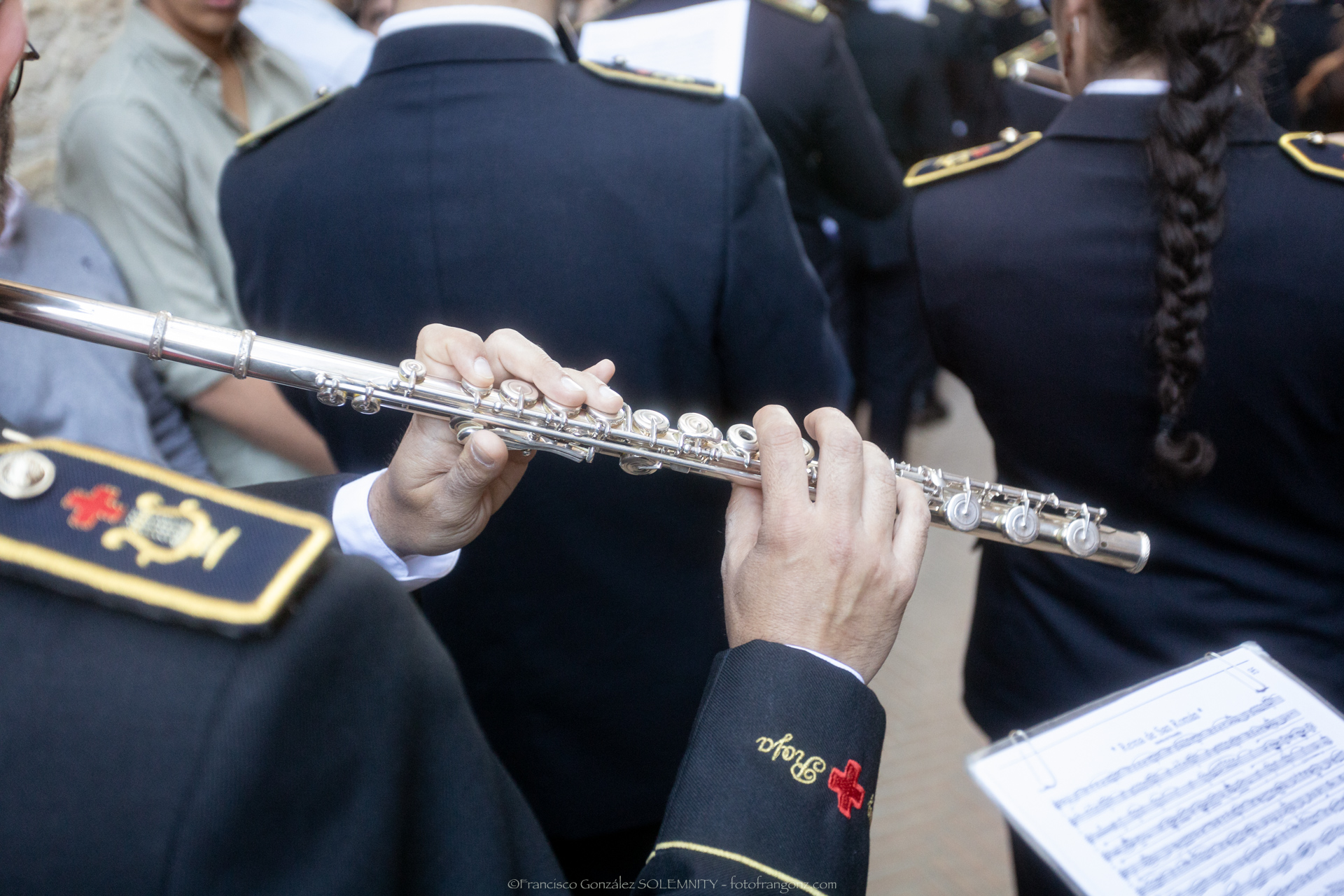
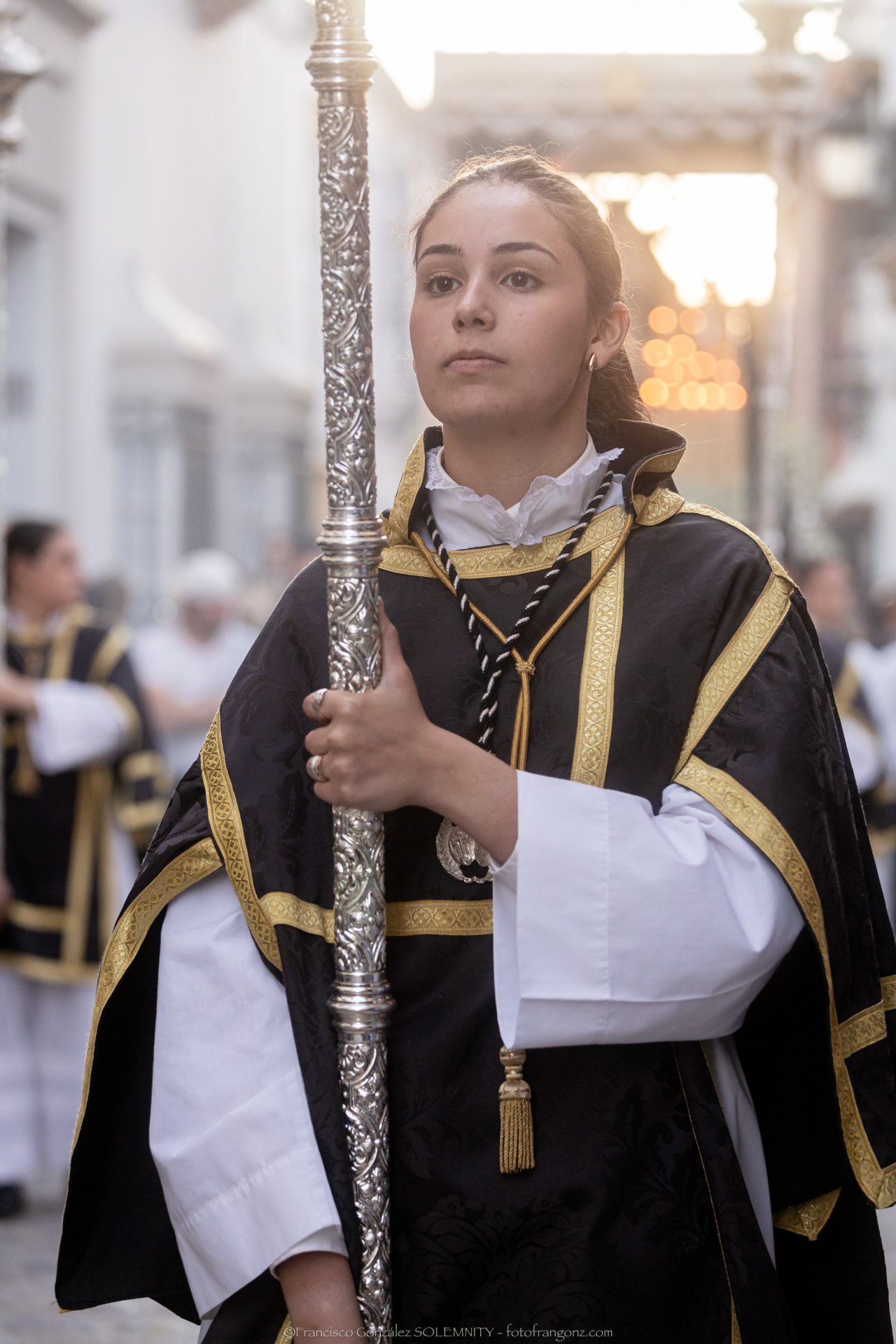
The float of the Soledad, led by foreman Alberto López, who has been the official herald of this Holy Week, is escorted by the women wearing mantle and skirt and the Banda de Música de la Cruz Roja de Sevilla.
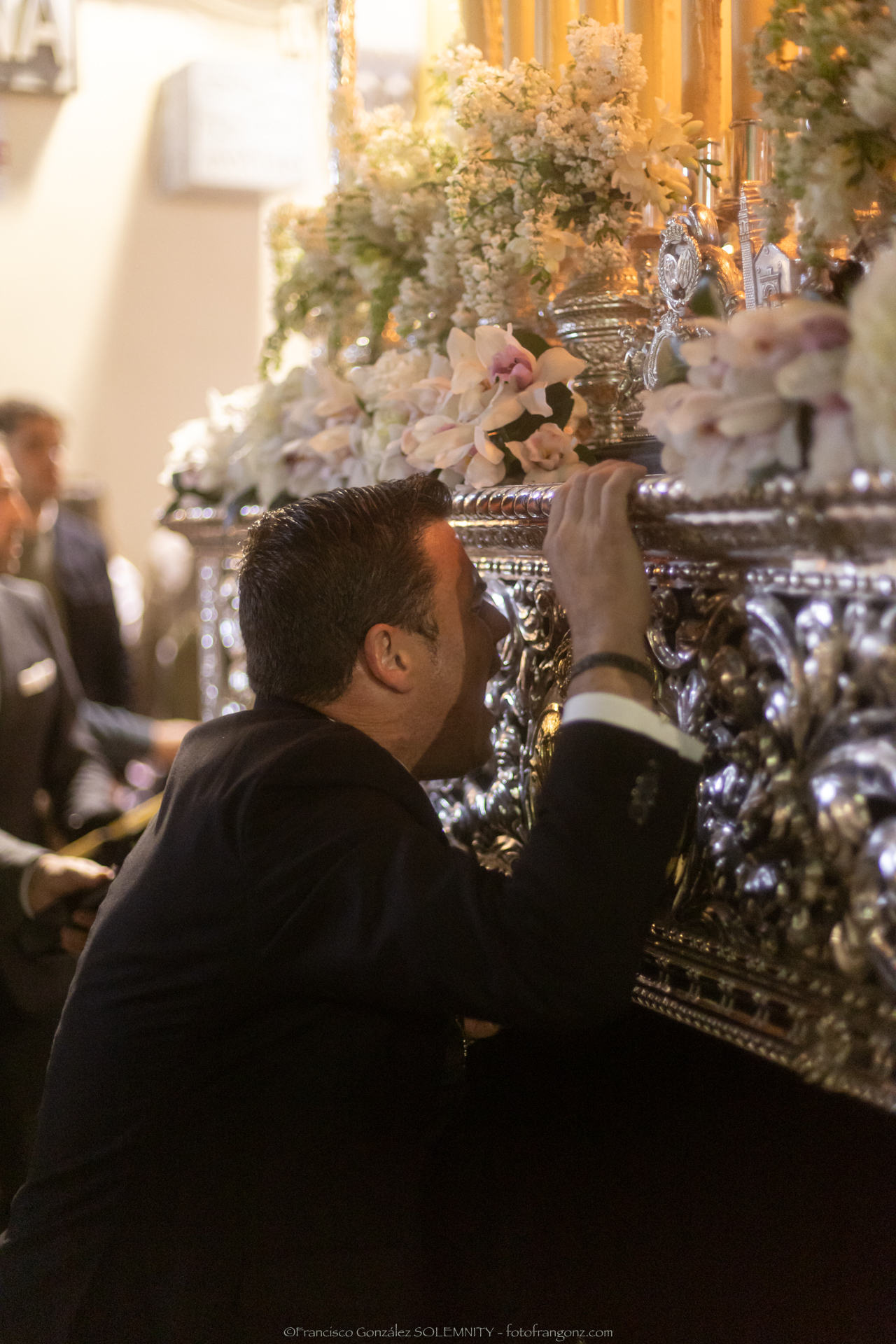
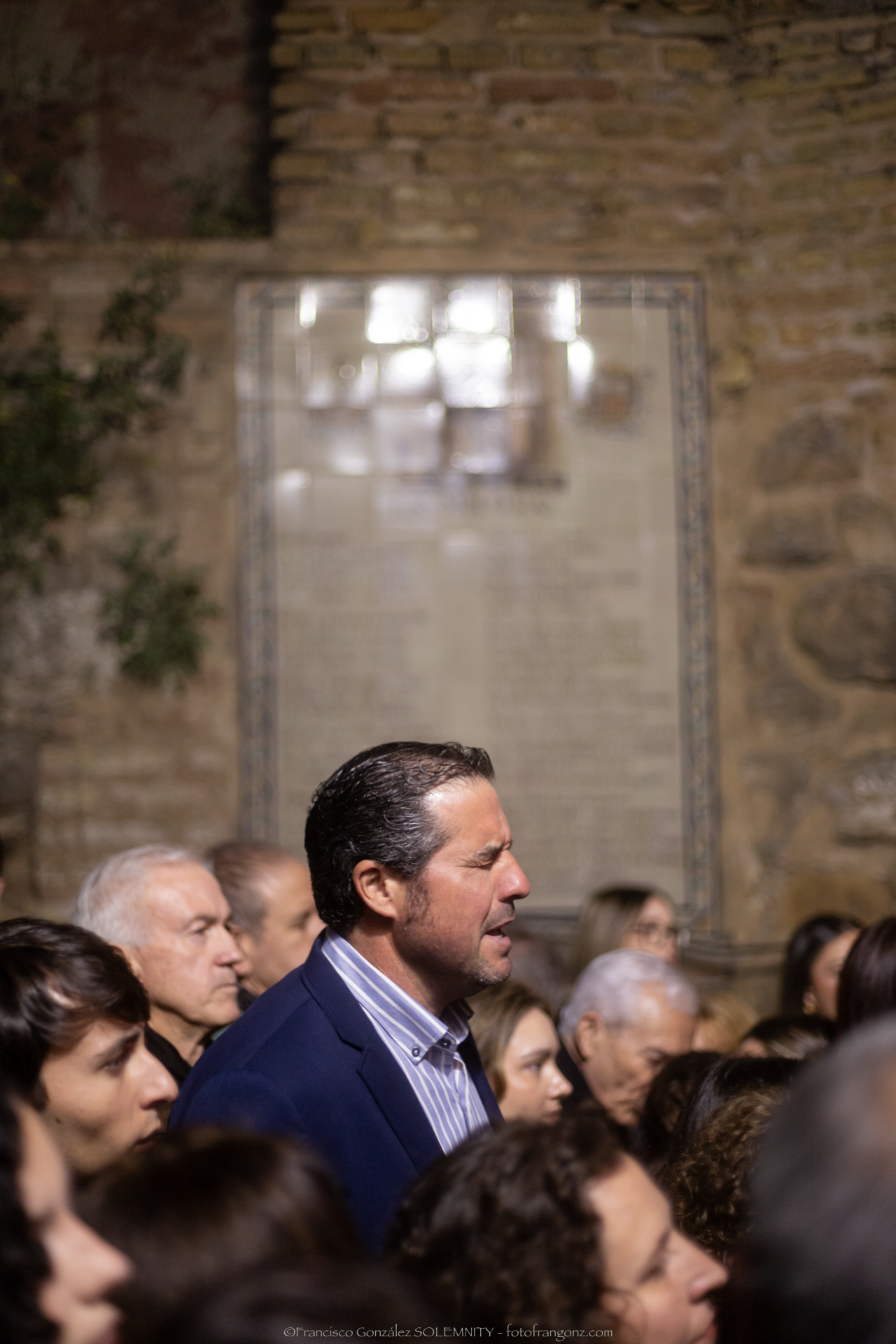
The procession reaches its climax with las moleeras, when, before reaching her church, the Virgin can barely advance through the Tiro de Santa María, where a crowd gathers tightly and moves backward before her, while devoted faithful continuously sing saetas to the Mother of Soledad, a historic tradition literally centuries old.

Related posts:
 Holy Burial of Christ and Our Lady of Solitude Crowned Marchena 2025
 HOLY BURIAL OF CHRIST, OUR LADY AND MOTHER OF SOLITUDE AND THE TRIUMPH OF THE HOLY CROSS
 Holy Burial and Our Lady of Solitude – Marchena 2023
 Procession of True Cross and Mary Most Holy of Hope Crowned in Marchena Seville Holy Week 2022
 Canonical Coronation Our Lady and Mother of Solitude, Marchena
 Via Crucis of the Holy Burial Marchena 2025
 Christ of Humility – Marchena Holy Week 2023
 Christ San Pedro – Marchena Holy Week 2023
 Christ of the True Cross Marchena 2023
 Christ of Saint Peter Marchena 2025